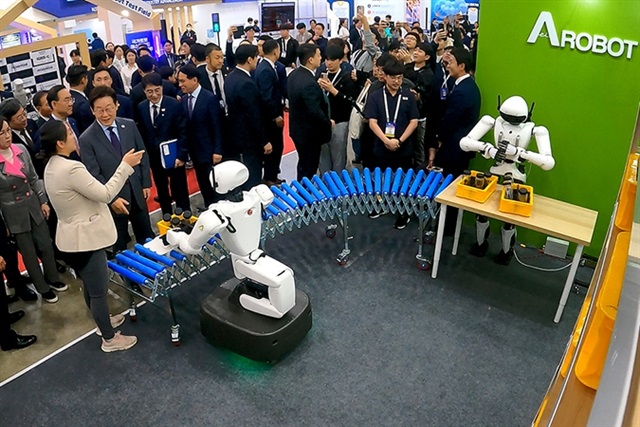
South Korea put its tech ambitions on full display as the 2025 Future Innovation Tech Expo, known as FIX 2025, wrapped up late last month in Daegu. Held at the EXCO convention center, the event drew more than 115,000 visitors and spotlighted the country’s drive to lead in artificial intelligence, robotics, and next‑generation technologies. A surprise visit by South Korean President Jae Myung Lee added extra momentum to an already energetic showcase, signaling strong top‑level support for the nation’s innovation agenda.
FIX 2025 served as a national stage for what’s next in technology. The expo brought together talent from across the ecosystem—innovators, researchers, entrepreneurs, students, and industry leaders—creating a rare, concentrated look at how AI and robotics are evolving from buzzwords into practical solutions. From intelligent systems that learn and adapt to advanced robotic platforms built for real-world tasks, the event highlighted how these technologies are moving rapidly from labs to the marketplace.
The turnout alone underscored how quickly interest is growing. With more than 115,000 attendees filling the halls at EXCO, FIX 2025 drew strong participation from both the public and professionals eager to see where the industry is heading. That scale matters: large, collaborative events can accelerate partnerships, help startups gain visibility, and give established players a venue to demonstrate progress. For Daegu, it’s also a powerful sign of the city’s rise as a hub for high‑tech activity.
The focus on artificial intelligence was unmistakable. AI is increasingly the connective tissue across industries, and the expo emphasized its role in everything from smarter factories and logistics to consumer applications and digital services. Robotics took center stage as well, illustrating how autonomous systems and collaborative machines are poised to transform productivity, safety, and everyday life. Together, these themes framed a future where software intelligence and physical automation work in tandem to create new value.
President Jae Myung Lee’s unannounced appearance underscored the strategic importance of this transformation. His visit conveyed a clear message: South Korea views AI and robotics as essential to long‑term competitiveness, economic growth, and quality of life. Government attention at this level often translates into stronger public‑private collaboration, targeted funding, and fast‑tracked pilot programs—key ingredients for turning prototypes into widely adopted solutions.
Beyond the headline themes, FIX 2025 offered something equally valuable: momentum. Major gatherings like this help align universities, research institutes, startups, and enterprises around common goals. They spur knowledge sharing, attract investment interest, and inspire the next wave of talent. For job seekers and students, the expo provided a glimpse of the skills most in demand; for businesses, it offered a snapshot of technologies ready for deployment; for policymakers, it provided direct feedback on what it will take to scale responsibly and competitively.
The choice of Daegu and the EXCO convention center underscored a regional development story as well. By anchoring a premier innovation event outside the capital, the expo helped spread opportunities across the country, strengthening local ecosystems and broadening the talent pipeline. This kind of distributed growth can make national innovation more resilient and inclusive.
As FIX 2025 closes, the takeaways are clear. Interest in AI and robotics has moved from curiosity to commitment. The record‑setting attendance, broad cross‑sector participation, and high‑profile support point to an ecosystem ready to build, test, and scale. Expect to see continued collaboration, more pilot projects in real‑world settings, and an increasing focus on responsible deployment as South Korea pushes toward global leadership in the industries of the future.
In short, FIX 2025 didn’t just showcase technology; it showed intent. With the energy generated in Daegu and a growing community of innovators behind it, South Korea’s AI and robotics ambitions are set to accelerate in the months ahead.