Asus Zenbook S14 2026 Highlights the Biggest Trade-Off in Intel’s Panther Lake Laptops
The Asus Zenbook S14 2026 arrives as a sleek, premium 14-inch laptop with Intel’s latest Panther Lake processor technology. On paper, that sounds like a clear upgrade over the previous generation. In real-world use, however, the story is more complicated.
The new Zenbook S14 benefits from stronger CPU performance, improved efficiency, and longer battery life. For users who mostly browse the web, work with documents, join video calls, stream content, or multitask across everyday apps, the 2026 model should feel fast, responsive, and refined. But there is one important drawback: graphics performance has taken a step backward compared to the older 2024 model.
The 2024 Asus Zenbook S14 was already an impressive thin-and-light laptop. It used Intel’s Lunar Lake processors, which were built with efficiency as a major priority. With a maximum power limit of around 37 watts, Lunar Lake was not designed to dominate in heavy multi-core workloads, and competing chips could deliver more raw performance. Even so, it offered excellent single-core speed and a surprisingly capable integrated GPU, the Intel Arc Graphics 140V.
That strong integrated graphics performance made the 2024 Zenbook S14 more versatile than many ultra-slim laptops. It was not a gaming laptop, but it could handle light gaming, GPU-accelerated creative tasks, and graphics-heavy workloads better than expected for its size.
Intel’s Panther Lake generation was designed to replace both Lunar Lake and Arrow Lake mobile processors. The new chips bring a major boost in multi-core performance, which is good news for demanding productivity tasks. However, that improvement often comes with higher power limits, which can lead to more fan noise under load.
The biggest issue is the graphics lineup. Panther Lake does include impressive new integrated GPUs, such as the Arc B390 and Arc B370, with 12 and 10 Xe cores. These higher-end graphics options promise a major leap in integrated GPU performance. The problem is that they are limited to select Panther Lake processors, including Core Ultra X models such as the Core Ultra X7 368H.
So far, laptops using those higher-end Panther Lake chips appear limited, expensive, or harder to find. That leaves many new premium laptops relying on weaker integrated graphics configurations.
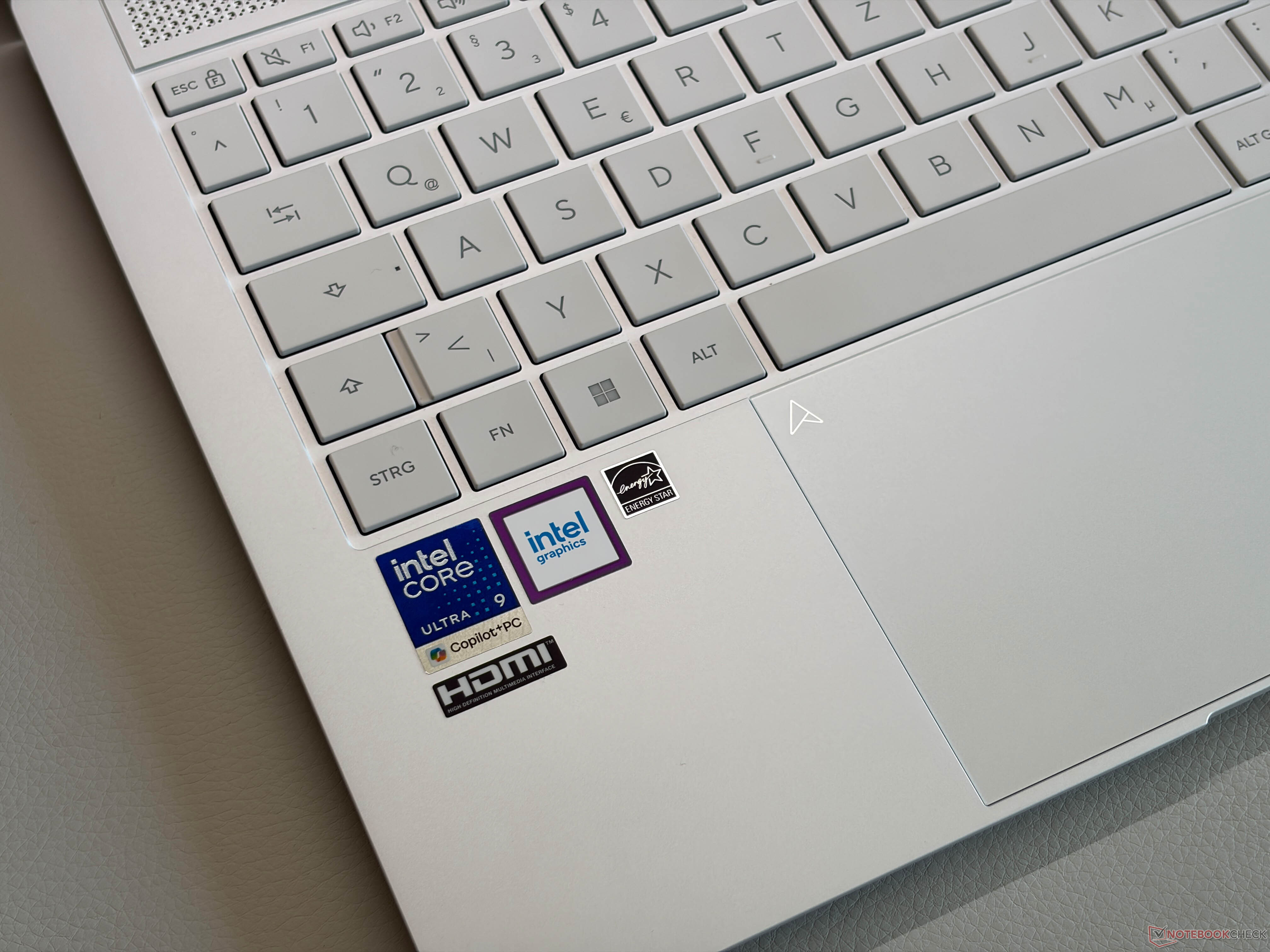
That is exactly what happens with the Asus Zenbook S14 2026. Instead of a Core Ultra X processor with one of Intel’s more powerful new integrated GPUs, it uses the Intel Core Ultra 9 386H with Intel Graphics featuring only four Xe cores. As a result, while the laptop gains stronger CPU performance and better battery life, its graphics and gaming performance can fall behind the 2024 Zenbook S14.
For a premium ultrabook, that is a surprising compromise. Buyers expecting the newest model to be better in every major category may be disappointed, especially if they care about light gaming, creative acceleration, or GPU-heavy applications.
The Zenbook S14 2026 is still an elegant and capable laptop. Its slim design, modern processor, improved efficiency, and longer runtimes make it appealing for productivity-focused users. But it also shows a broader problem with Intel’s current mobile CPU strategy: not every Panther Lake laptop gets the best graphics hardware.
For many users, the improved CPU performance will matter more than the weaker GPU. But for others, especially those upgrading from a Lunar Lake laptop with stronger integrated graphics, the new model may not feel like a complete upgrade.
The key takeaway is simple: the Asus Zenbook S14 2026 is faster in some areas, more efficient, and better for battery life, but it is not automatically better for everyone. If graphics performance matters to you, it is worth checking the exact processor and integrated GPU configuration before buying any Panther Lake laptop.