ASUS has stepped up to address concerns surrounding their innovative Quick Release “Q-Release” system, following reports of damage to GPU interfaces when utilized with their 800-series motherboards. The Q-Release system is designed to streamline the process of removing graphics cards, eliminating the need for manually pressing the PCI-E x16 slot’s end button. However, a number of users have experienced damage to their GPUs’ PCI-E interface, causing some alarm.
Originally, ASUS noted that the mechanism might only cause minor scratches due to repeated installations and removals, and didn’t initially acknowledge responsibility for the resulting damage to GPUs. Amid mounting reports, ASUS has now officially pledged to take full responsibility for any damages that occur on their 800-series motherboards. This commitment spans across GPUs from various vendors, not just their own.
In a statement shared on Bilibili, ASUS declared its intent to not only engage with GPU vendors but also to offer compensation for any damage that has occurred. The company reassures users that any issues related to GPU warranty, particularly those involving edge wear on the PCB, will be managed with full support from ASUS. They have promised to aid in communication with other graphics card brands if warranty problems arise. For those concerned about aesthetic damage or potential resale impact due to wear and tear, ASUS has committed to offering compensation, provided it fits within reasonable limits.
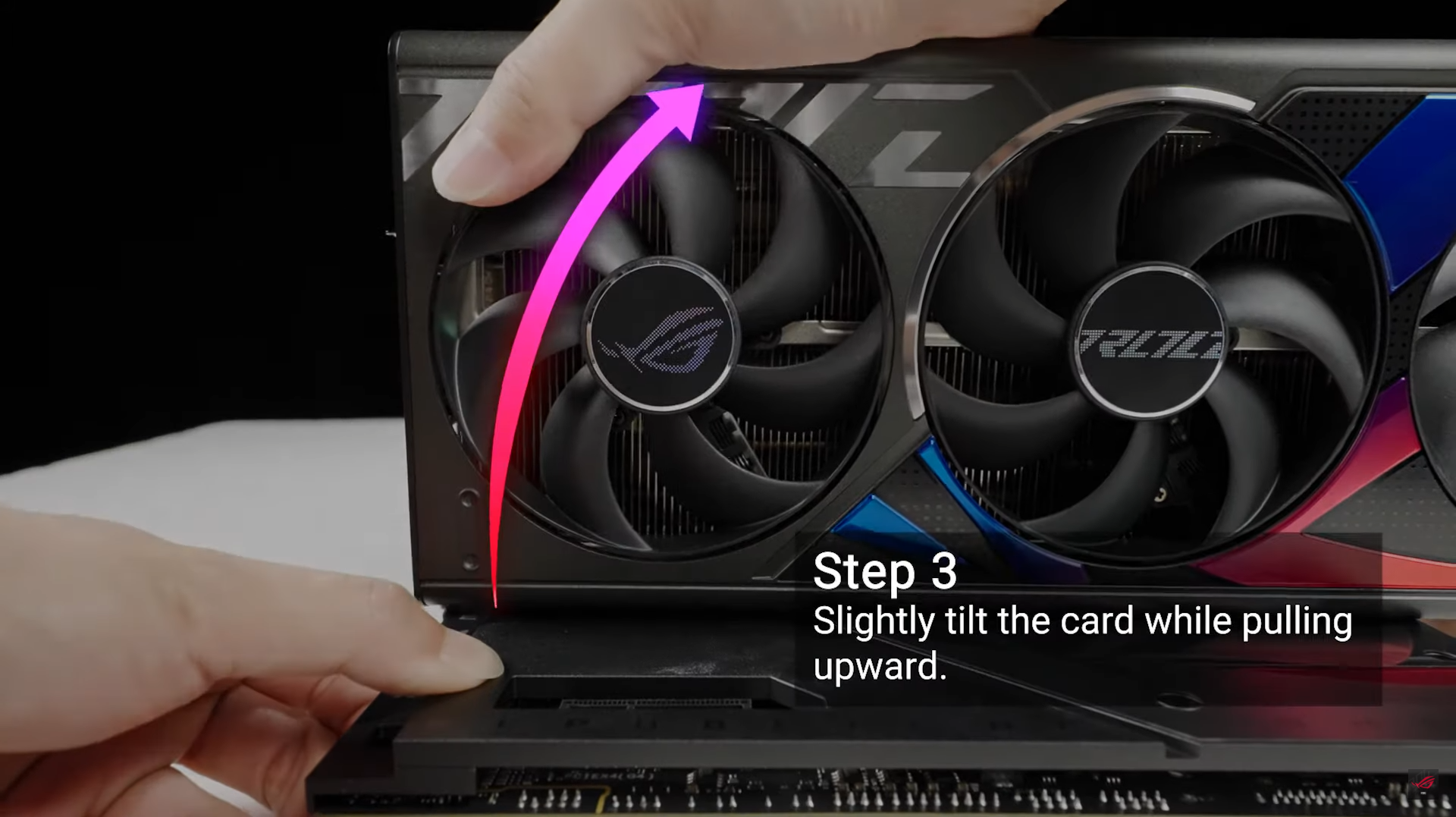
Despite accepting responsibility, ASUS maintains that the reported damage stems from improper use of the Q-Release mechanism. They emphasize that the design of the detachable metal shrapnel in the PCI-E x16 slot doesn’t inherently cause such harm. ASUS continues to educate users on the correct uninstall procedure and has listed all affected motherboard models, including those with Intel Z890, B860, and AMD X870E/X870, B850 chipsets.
The situation remains under investigation, with various brands involved in gathering more data. Updates will be shared as new details surface. This proactive approach by ASUS aims to ensure user peace of mind and maintain trust in their innovative motherboard features.