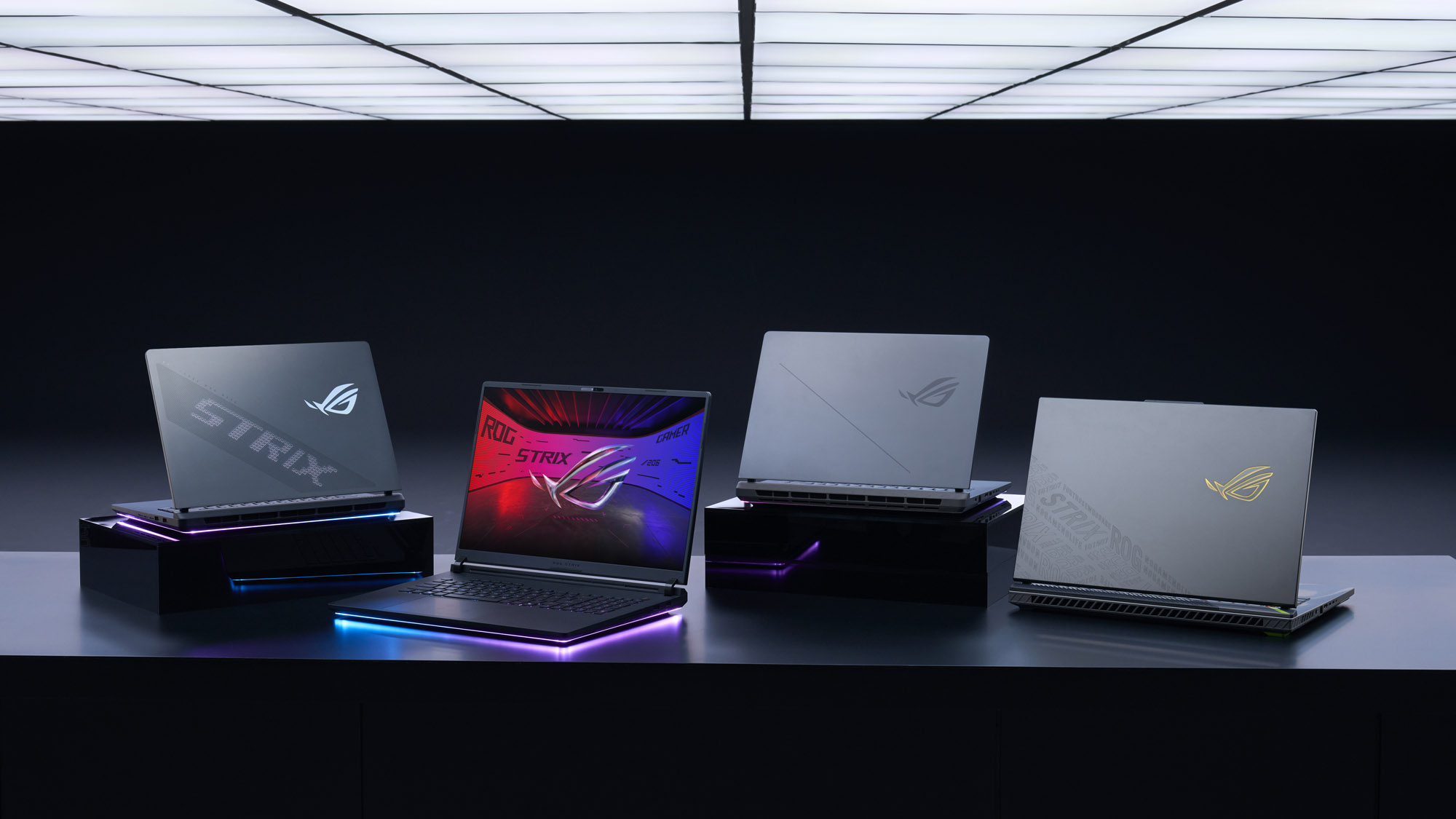
Rising DRAM costs are about to spill over to everyday buyers, with ASUS cautioning that laptops, mini-PCs, handheld gaming devices, and prebuilt desktops could soon carry higher price tags. The company’s co-CEO, speaking in a Taiwan-based report, described the current memory situation as an industry-wide challenge and said pricing and product mixes will be adjusted in line with component costs, channel conditions, and consumer demand if the imbalance persists.
What’s driving the spike? Explosive demand from AI is soaking up DRAM supply, particularly high-bandwidth memory and mainstream DDR modules. That surge has pushed wholesale prices sharply higher, with some consumer memory brands reportedly pausing new orders after rapid cost increases. As one of the largest PC hardware partners for CPU and GPU makers, ASUS faces pressure to maintain inventory levels when the memory inside so many devices—from notebooks and mini desktops to handhelds—keeps getting more expensive.
There’s another twist: the shortage could actually accelerate sell-through. With prices climbing and buyers anticipating further hikes, inventory may turn faster than usual. At the same time, the looming end-of-life for Windows 10 is nudging many users to upgrade, often to newer platforms such as AMD’s AM5, which rely on DDR5. That upgrade cycle adds even more strain to an already tight DRAM market.
Outlook for consumers isn’t rosy in the short term. Based on current trends, memory prices are unlikely to stabilize soon and could increase further as AI demand remains strong.
What buyers should keep in mind:
– If you’re planning a near-term PC build or upgrade, consider moving sooner rather than later to avoid potential price climbs on DDR5 kits and systems with higher RAM configurations.
– Watch total system value. Prebuilt PCs, laptops, and mini-PCs may change configurations to balance costs, so compare RAM capacity and speed closely.
– Prioritize the memory you actually need. Opting for the right capacity and reasonable speeds can protect your budget while delivering the performance you expect.
Bottom line: the AI-fueled boom in DRAM demand is pushing memory prices higher, and that pressure is set to filter into retail devices. Expect tighter inventories and possible price adjustments across a range of PCs and components as the market navigates an extended period of imbalance.