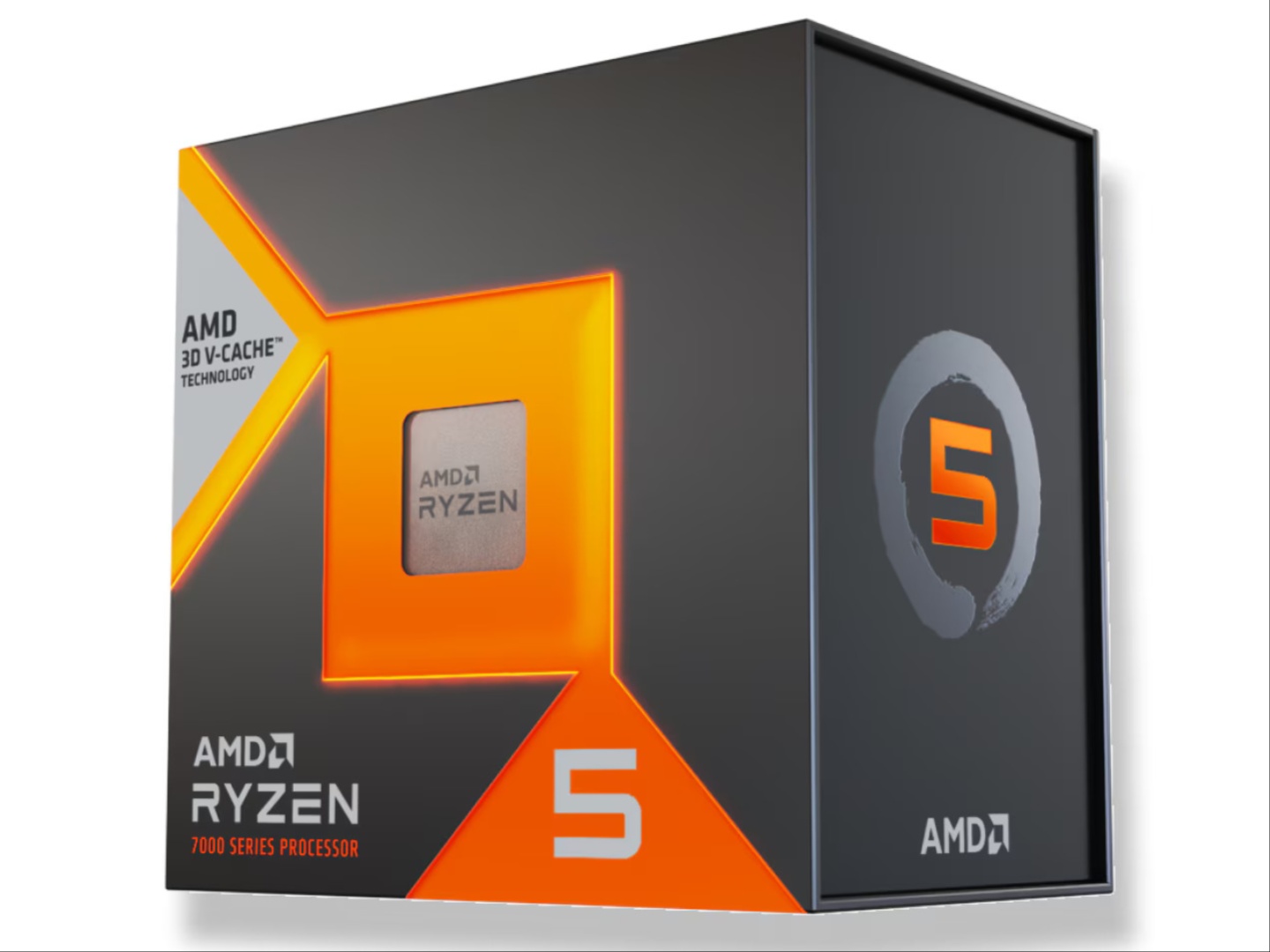
AMD has pulled the wraps off its most affordable X3D desktop chip yet, the Ryzen 5 7500X3D, giving budget-focused gamers a new way to tap into high frame rates without overspending. Think of it as a streamlined take on last year’s Ryzen 5 7600X3D: slightly lower clocks, the same hefty L3 cache, and a clear focus on 1080p gaming performance. It goes head-to-head with Intel’s Core Ultra 245KF and Core i5-14600K, and while the price is said to sit a bit higher, AMD is touting better results where it counts for most players—actual gaming.
Key specifications at a glance
– Architecture: Zen 4
– Cores/Threads: 6/12
– Boost clock: up to 4.5 GHz
– L3 cache: 96 MB
– Default TDP: 65W
– Memory support: up to 128 GB
– Expansion: PCIe 5.0
That 96 MB of L3 cache is the defining trait of AMD’s X3D lineup and the main reason these chips excel in games. By pairing six Zen 4 cores and 12 threads with a massive cache and a restrained 65W TDP, the Ryzen 5 7500X3D targets smooth, responsive 1080p gameplay while keeping power requirements in check.
AMD’s performance claims focus squarely on real-world titles rather than synthetic tests. At 1080p, the company says the Ryzen 5 7500X3D is, on average, 13% faster than the Core Ultra 245KF in major releases such as Black Myth Wukong, Red Dead Redemption 2, Forza Horizon 5, and Baldur’s Gate 3. In competitive games—think VALORANT, League of Legends, Rainbow Six: Siege, Counter-Strike 2, and DOTA 2—AMD reports a bigger advantage of about 22% on average.
The matchup against the Core i5-14600K is also compelling. According to AMD, the Ryzen 5 7500X3D delivers roughly 8% higher performance in AAA titles and around 12% faster results in popular esports games. For players who prioritize maximum frames at 1080p with consistent latency and responsiveness, those deltas can make a noticeable difference.
Who should consider the Ryzen 5 7500X3D? If you’re building a cost-conscious rig centered around 1080p gaming, want the benefits of large L3 cache for higher frame rates, and value modern platform features like PCIe 5.0 and large memory capacity, this chip checks the right boxes. It may cost a bit more than its Intel rivals, but if AMD’s numbers hold up, the extra investment could pay off in smoother gameplay and higher average FPS where it matters most.