ASUS is getting ready to raise prices on some of its products, and the reason won’t surprise anyone who’s been watching PC hardware costs lately: memory and storage are getting more expensive again.
In an official notice shared with partners and customers, ASUS confirmed it will introduce “strategic price adjustments” across select product portfolios starting January 5, 2026. The company points to rapid AI adoption as a major force reshaping demand across the PC and infrastructure market, adding fresh pressure to global supply chains and pushing up the cost of key components—especially DRAM (system memory) and NAND-based storage like SSDs.
According to ASUS, these increases aren’t only about simple demand spikes. The company describes broader, structural changes happening across the industry, including shifting capacity allocation from manufacturers, higher investment requirements for advanced production processes, and the fast expansion of AI computing. Combined, those factors are changing the overall cost structure for building computers and related hardware, turning higher component pricing into what ASUS calls an unavoidable industry trend.
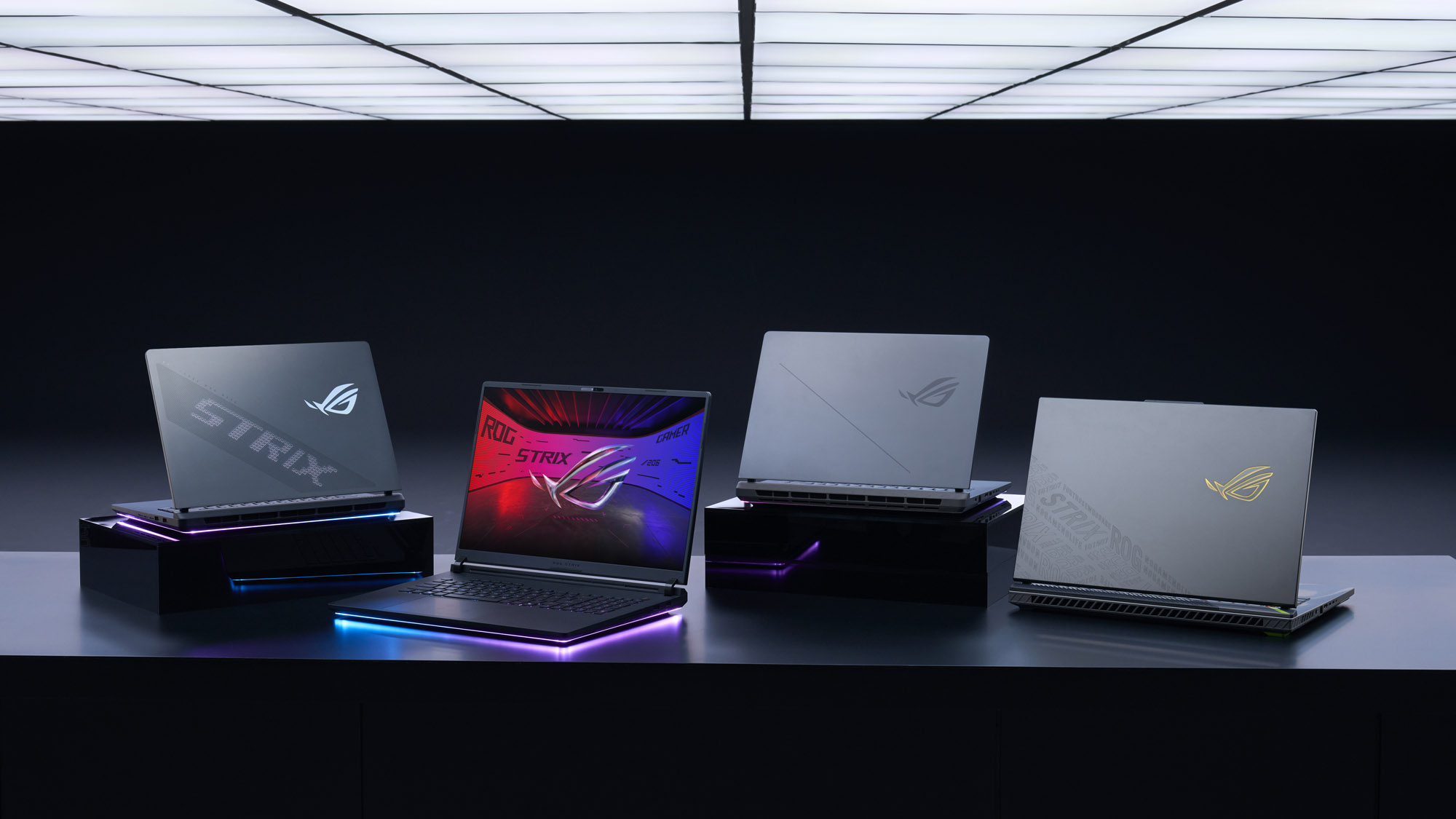
While ASUS didn’t provide a list of specific models getting re-priced, the statement strongly suggests that any “product combinations” involving memory and storage will be affected. In practical terms, that likely includes many prebuilt desktop PCs, laptops, gaming handhelds, and other devices sold with DRAM and SSDs already installed.
There’s also growing concern that graphics cards could become more expensive around the same time. Industry chatter points to higher GPU costs potentially arriving in January 2026, which could further raise the price floor for gaming PCs and creator workstations. Even if different manufacturers roll out new pricing on different schedules, buyers may start seeing changes quickly once the new year begins.
ASUS says its goal is to maintain stable supply, protect product quality, and keep service levels consistent despite rising costs. The company also noted that its sales teams will work with partners on planning and configuration recommendations to reduce the impact as much as possible.
For shoppers, the takeaway is straightforward: if you’ve been planning to buy a new laptop, prebuilt PC, or other system that depends heavily on RAM and SSD pricing, early 2026 could bring noticeably higher prices. And if component costs continue climbing, this may not be the last round of adjustments the market sees.