A fresh controversy is brewing around ASUS’s ultra-premium ROG Matrix RTX 5090, a limited-edition graphics card with an eye-watering $4,000 price tag. When a GPU costs as much as an entire high-end gaming PC, buyers naturally expect flawless build quality and zero friction at setup. Instead, one early owner is reporting a power-connector fitment problem that could make even basic installation feel like a fight.
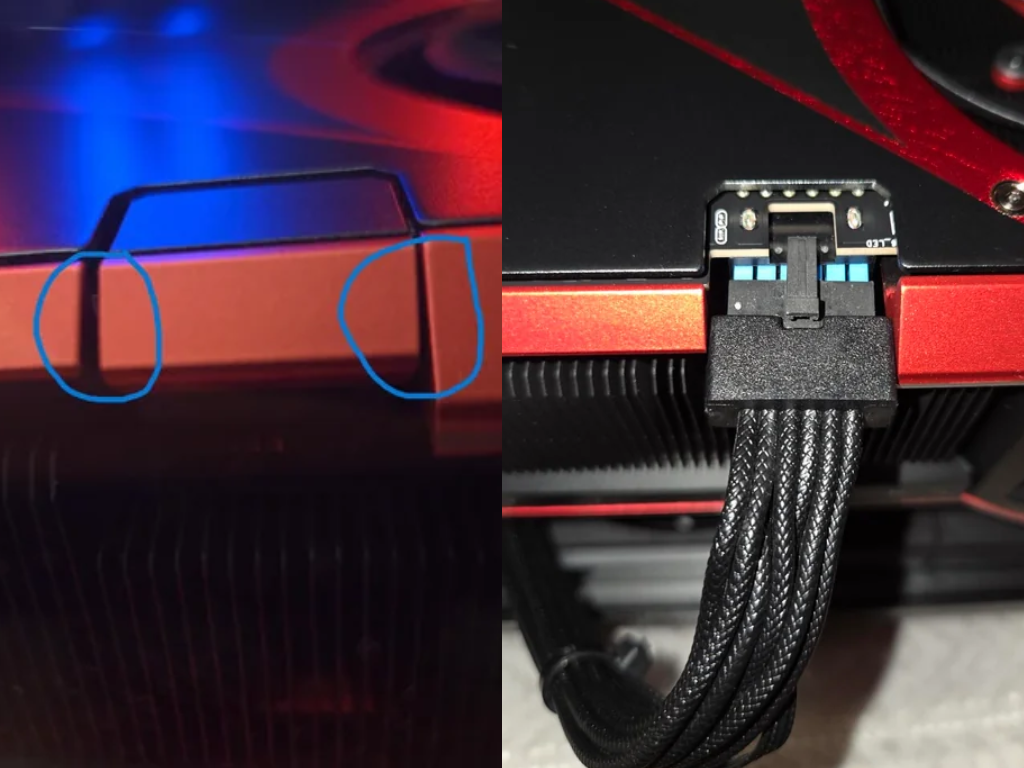
According to a Reddit user who shared their experience, the card’s 16-pin power connection (the 12V-2×6, often associated with the latest high-wattage GPUs) appears slightly off-center compared to the graphics card’s frame. On paper, that sounds minor. In practice, the small offset seems to reduce the clearance needed for the connector housing to slide in and lock correctly.
That tight fit matters because a properly seated 16-pin connector is essential for stable power delivery—especially on a flagship model designed to push extreme power limits. The ROG Matrix RTX 5090 is marketed as a no-compromises, anniversary-style premium release with dual power inputs aimed at enthusiasts chasing serious overclocking headroom. If the connector can’t fully seat, it raises obvious concerns about reliability and whether the card can consistently reach its advertised top-end power target of up to 800W.
The user’s post describes trying multiple cables in an attempt to rule out a bad lead or incompatible connector housing. Even so, the same issue remained: the connector could be plugged in, but the lack of space made it difficult to get the housing to seat in a way that inspires confidence.
Expecting a $4,000 limited-edition GPU to be serviced like a luxury product, the buyer contacted ASUS customer support to request help, assuming the offset connector was a factory defect or assembly mistake. The response, however, is what’s fueling the backlash. ASUS reportedly declined replacement and explained that the connector placement is intentional rather than accidental.
ASUS’s statement to the customer indicated that engineering reviewed the card and concluded the connector’s non-centered position is part of the original product design, chosen due to overall structural and electrical layout considerations.
Adding to the frustration is the product’s exclusivity. Only 1,000 units of this ROG Matrix RTX 5090 have reportedly been made worldwide, making it difficult to tell whether this is a widespread usability problem or something that only affects certain setups, cable housings, or batches. Still, even a small design quirk can become a major issue when it impacts the one thing every owner must do on day one: plug the GPU in safely and securely.
For buyers shopping the very top end of the RTX 5090 market, the situation is a reminder to look beyond raw performance claims. Power connector design, clearance around the socket, and cable compatibility can all make or break the ownership experience—especially on ultra-high-wattage graphics cards where stable power delivery is non-negotiable.