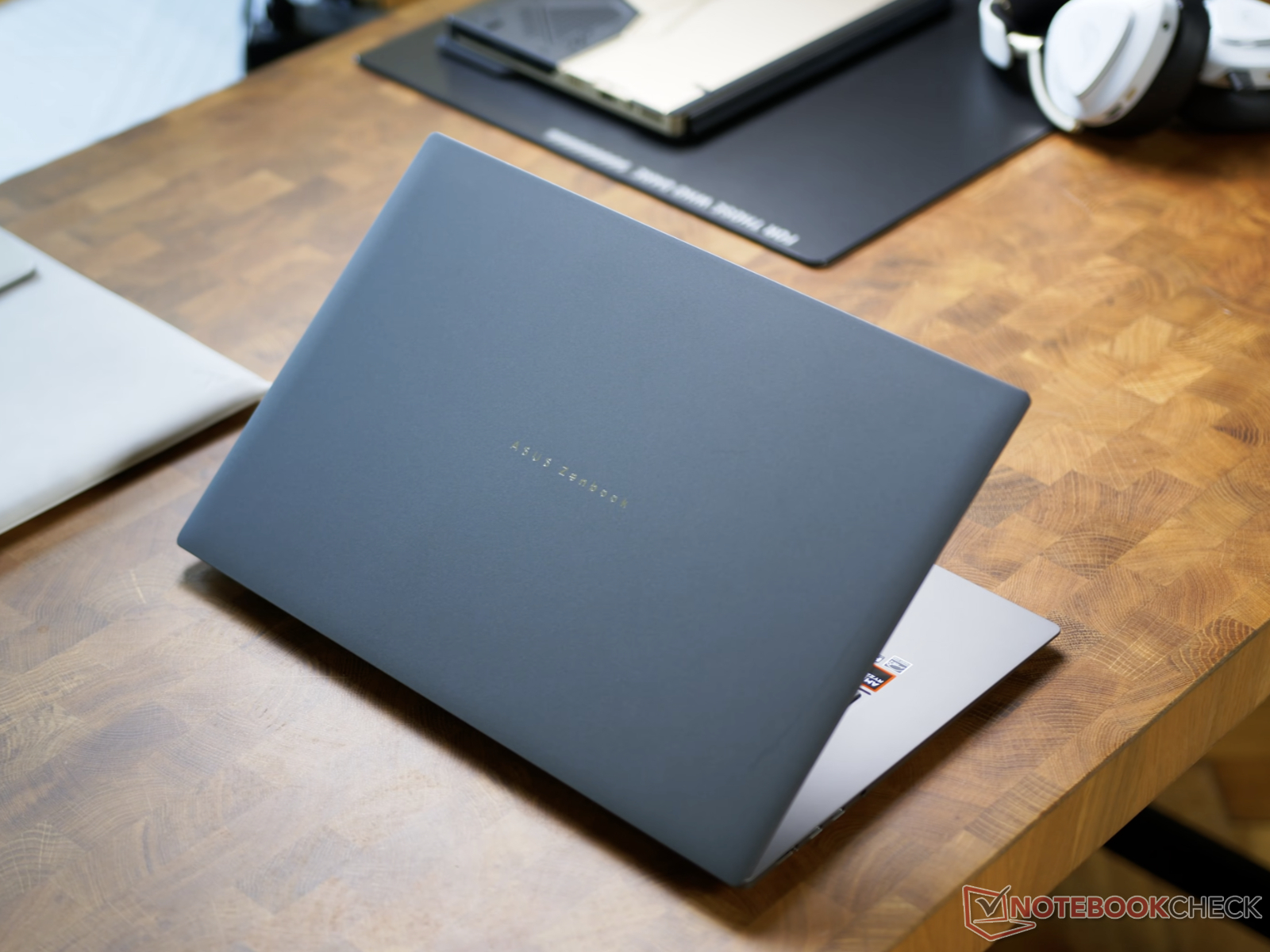
Asus has just made an unexpected move in the US laptop market: its brand-new lineup of Zenbook laptops now costs noticeably more than it did at launch. The company introduced five fresh models in the United States on April 7, but updated pricing released shortly after shows higher starting prices across the board. In a twist that’s likely to confuse shoppers, the larger Zenbook S16 is now priced lower than the smaller 14-inch Zenbook 14 in certain configurations.
The launch included a mix of newly announced machines and models that had already appeared in other regions. Two of the biggest highlights were the Zenbook A14 and Zenbook A16, which were positioned as exciting new additions for US buyers.
At first, the new Zenbook range entered the market with entry prices starting at $999, while certain Snapdragon-powered versions began at $1,149. Early pricing also raised eyebrows because some configurations with less powerful processors were listed at higher prices than stronger options—an odd setup for shoppers trying to compare value. Those unusual listings were quickly corrected, but then a wider change followed: nearly every model in the new release lineup became more expensive.
The steepest jump affects the Zenbook 14. Its starting price has increased by roughly 35% compared to the original launch pricing, making it far more expensive almost overnight. The Zenbook A14 has also climbed to $1,349, putting it neck-and-neck with the updated Zenbook 14 pricing and making it a much pricier alternative to Asus’ earlier, more affordable Zenbook options. The Zenbook A16 has also seen a bump, with its price rising by $100 to $1,699.
These adjustments create a surprising new price landscape. One of the most notable outcomes is that buyers may now find the 16-inch Zenbook S16 costing $100 less than the 14-inch Zenbook 14—an unusual scenario where paying less could get you a larger display.
What makes the situation even more interesting is that these increases appear specific to the US. Pricing in Europe has not been raised, where the Zenbook 14 continues to sell for €1,299 and £1,249 (including VAT). That difference is likely to spark questions among consumers comparing global pricing or considering importing options.
As of now, Asus hasn’t provided an official explanation for the sudden US price increases. Whether this comes down to supply chain costs, regional strategy changes, tariffs, or demand forecasting isn’t clear. For shoppers, the key takeaway is simple: if you’re planning to buy one of Asus’ newly launched Zenbook laptops in the United States, you may be paying significantly more than early buyers who ordered on day one—and the “bigger is more expensive” rule no longer applies in this lineup.