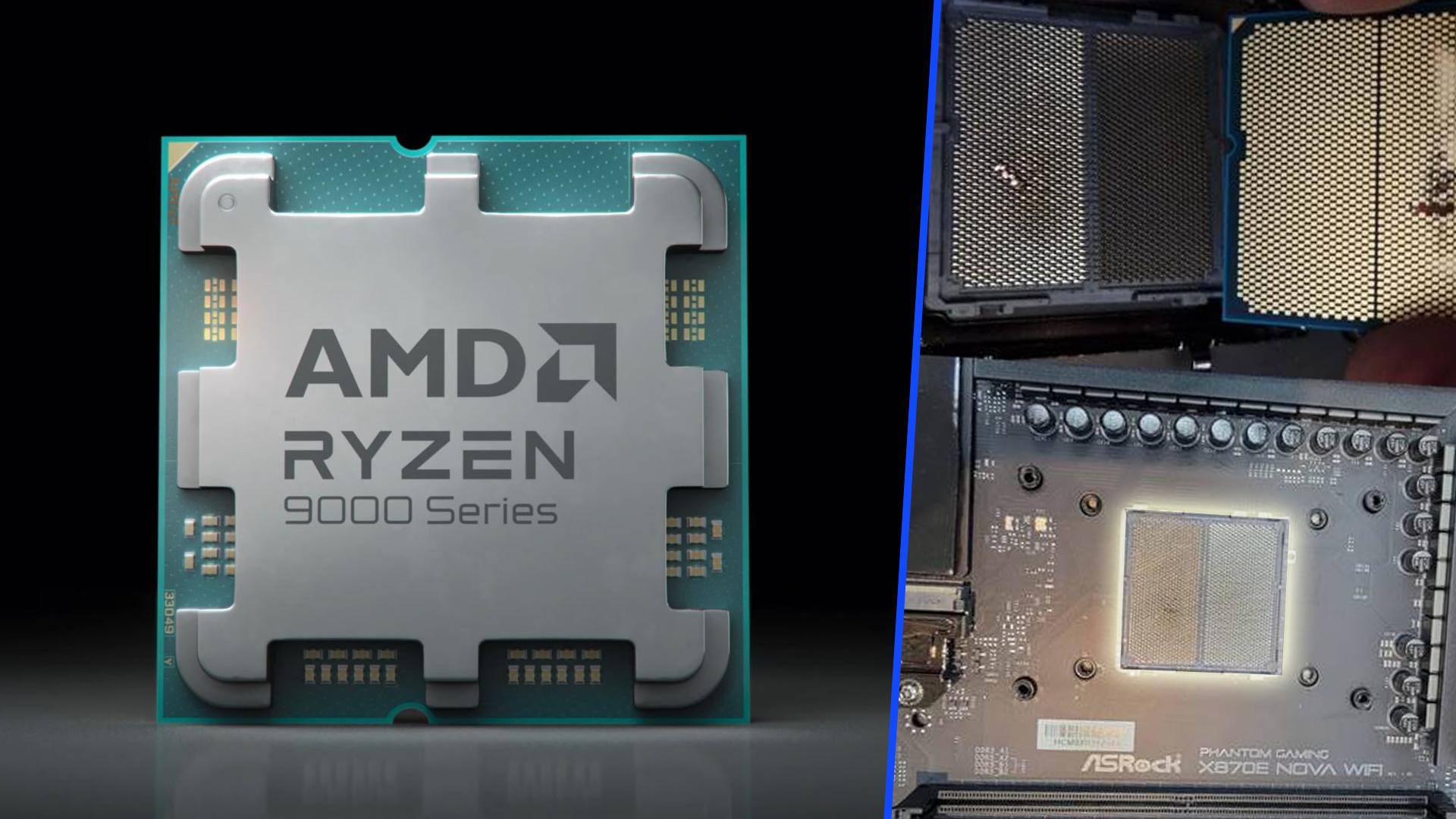
In a recent development, ASRock has addressed concerns surrounding the mysterious failures of systems equipped with the AMD Ryzen 7 9800X3D processor, particularly when paired with their AM5 motherboards. Over the past few weeks, numerous incidences have been reported where these setups experienced critical failures, leading to system crashes and, in some cases, CPU damage. The issue isn’t exclusive to ASRock, with other brands like MSI, ASUS, and Gigabyte also mentioned in user reports. However, a disproportionate number of complaints were directed towards ASRock.
Upon investigating, ASRock discovered that these failures weren’t inherently due to motherboard defects. Through extensive internal testing, the company found that the presence of ‘foreign objects’ within the CPU socket was behind the problems observed in many systems. These intrusions were causing the systems to fail to boot and, in some cases, inflict damage to the CPU. Interestingly, once these foreign particles were removed, the affected motherboards returned to normal functionality, passing both long burn-in and heavy-load tests without requiring any repairs.
ASRock emphasized that they took these challenges very seriously, promptly reaching out to users who experienced issues to collect data and recall some motherboards for in-depth analysis. In a specific instance, even a seemingly burnt CPU motherboard showed no internal damage once inspected. After cleaning the socket meticulously, the once problematic board functioned perfectly.
This revelation raises further questions. How did these foreign particles find their way into the sockets, and could user handling errors be to blame, such as incorrect CPU placements? Or is there a need for reevaluation of assembly processes to ensure such incidents are minimized? While ASRock has rolled out a new BIOS update to mitigate these issues, the root cause appears disconnected from memory-related complications initially suspected.
With reports surfacing across multiple motherboard brands, it’s becoming clear that this phenomenon demands a comprehensive investigation, potentially involving AMD. Ensuring a reliable setup free from such issues is a top priority for users and manufacturers alike, and it’s crucial for AMD to collaborate in shedding light on the underlying problem to restore user confidence across the board.
As we wait for further insight, users are encouraged to handle their components with care, ensuring their devices are free from any obtrusive particles that could invite such unwelcome troubles.


