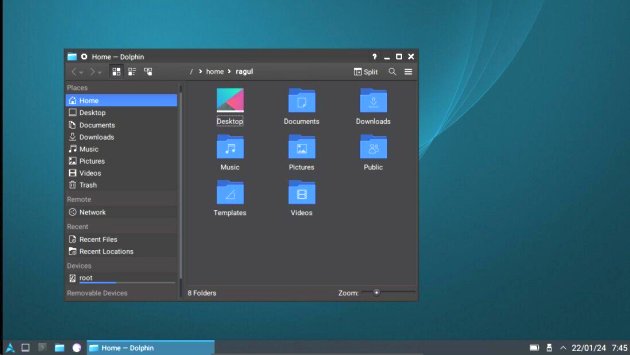
Artix Linux, known for its rolling-release pattern and step aside from Arch Linux, has made a noticeable update with its 20240819 release. This most recent upgrade has brought about significant changes, particularly to its desktop environment offerings. Notably, the LXQt and LXDE desktops will no longer feature within the community editions, making way for XFCE as the default desktop in the community-gtk edition.
Artix Linux, since its inception in 2017, has matured into a distro renowned for its variety of init systems, ranging from dinit, runit, s6, to OpenRC. Initially debuting with a command-line base and an LXQt-based GUI installer, Artix expanded its versatility with multiple desktop environment options such as LXDE, XFCE, MATE, Cinnamon, and KDE Plasma 5, along with the unofficial community editions, the GTK and Qt. This broad array has experienced a streamlining, as the latest release excludes the commmunity-lxqt and community-lxde editions from its lineup.
The 20240819 update emphasizes XFCE environment for the community-gtk edition, which along with the community-qt edition, is now exclusively available in x86_64 ISOs with OpenRC as the init system. In contrast, the main stable releases of the same version retain the broader choice of init systems.
Here’s a concise list of the currently available Artix Linux editions and their respective sizes:
Artix Linux’s blend offers Wayland as an experimental feature in its plasma and community-qt editions. And although users may notice an online install option during setup, it’s recommended to select the offline method for the time being as online installation remains under development.
For those invested in Artix or the wider Linux ecosystem, “Linux Pocket Guide: Essential Commands” by Daniel J. Barrett serves as an invaluable resource. With its fourth edition, this guide is a handy companion for understanding and utilizing Linux commands and is obtainable in both Kindle and paperback formats.
The alterations in Artix Linux’s desktop environments reflect continuous development and focus on providing users a streamlined, efficient experience. For enthusiasts preferring lightweight desktop environments, the shift to XFCE as the main offering in the community edition could mark a new direction for customization and resource management. With Artix Linux’s commitment to variety and user choice, this evolution of the distro presents an enticing update for its users and supporters.