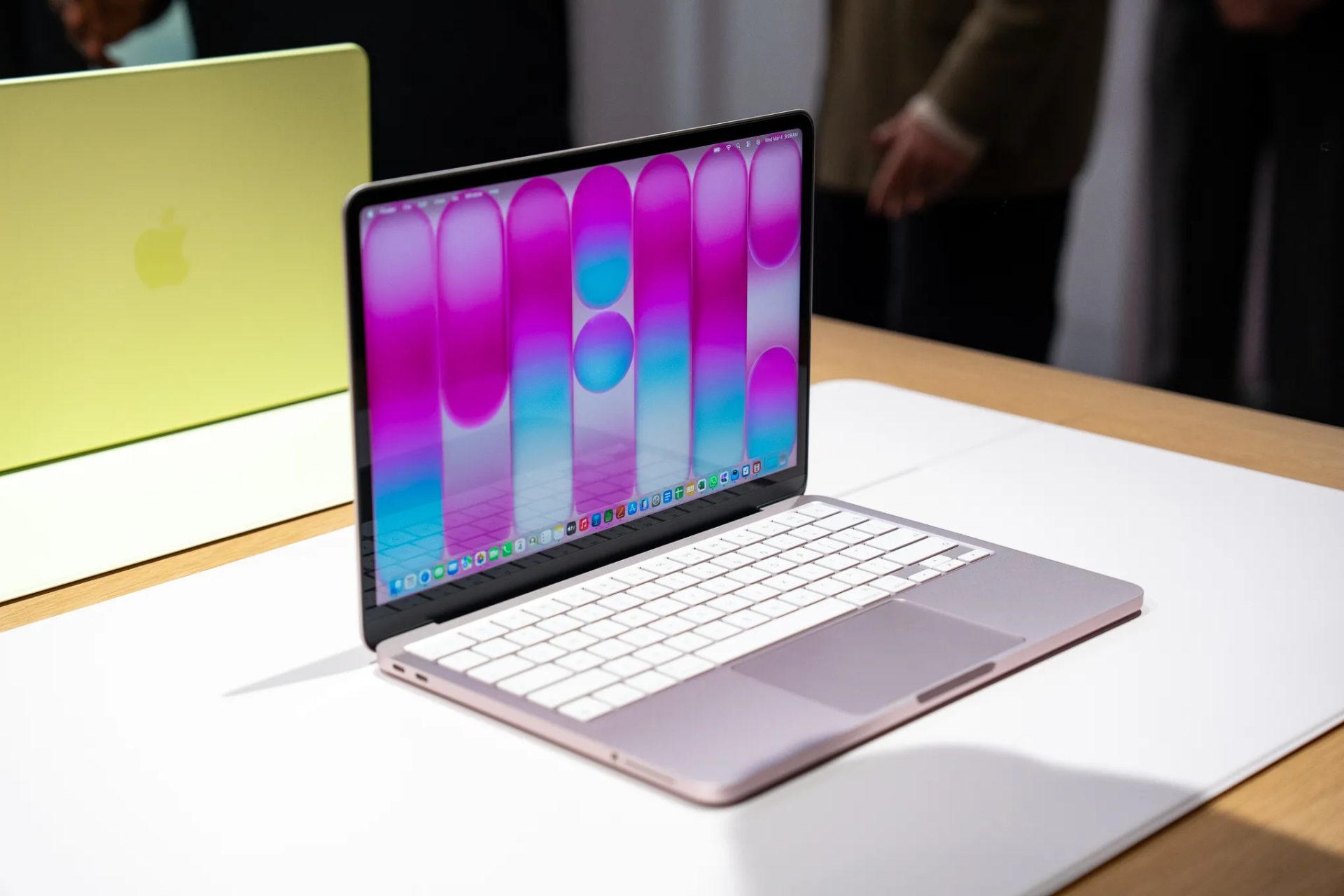
Apple’s rumored $599 MacBook Neo is shaping up to be one of the most attention-grabbing budget laptops Apple has planned in years, but keeping that price intact may be getting harder by the week. Behind the scenes, rising component costs and supply decisions could push Apple toward a quiet pricing shift that nudges buyers into spending more—without ever officially “raising the price.”
The MacBook Neo is expected to run on a binned A18 Pro chip, meaning it uses a version of the processor with one GPU core disabled. Even with that cost-saving approach, interest in Apple’s lower-priced MacBook appears to have surprised the company. Production plans for 2026 are now said to be increasing significantly, from an earlier target of around 5 to 6 million units to as many as 10 million.
That kind of production ramp isn’t as simple as flipping a switch. To meet higher demand, Apple reportedly asked TSMC to restart A18 Pro chip production—an expensive move. On top of that, the new chips may not be binned in the same way, which would further raise per-unit costs and squeeze margins on the entry-level model.
Memory pricing is another major pressure point. The ongoing AI-fueled surge in demand for memory is driving up baseline costs across the industry. Estimates suggest a typical LPDDR5 module that costs roughly $10 per GB today could climb to more than $19 per GB next year. For a budget laptop that depends on tight cost control, that kind of “chipflation” can quickly turn a $599 headline price into an uncomfortable business decision.
Because of these combined factors, Apple may respond by removing the $599 base MacBook Neo configuration altogether. The idea wouldn’t be unprecedented: similar moves have reportedly happened recently in Apple’s desktop lineup, where certain base configurations were pulled, effectively steering shoppers toward higher-priced models.
If the $599 model disappears, the most likely outcome is a subtle but meaningful shift: customers would be pushed to the 512GB storage tier instead. In practical terms, that works out to an effective $100 price increase for anyone who wanted the cheapest MacBook Neo, even if Apple never announces a new starting price in a traditional way.
To soften the reaction, Apple could add something that feels like an upgrade rather than a restriction. One rumored tactic is introducing new color options tied to the higher-storage configurations, giving shoppers a fresh reason to choose the pricier tier and helping the transition feel more like a product refresh than a forced upsell.
For buyers who have been waiting specifically for a $599 Apple laptop, the takeaway is straightforward: the lowest-cost MacBook Neo may not stick around for long. And if Apple does discontinue the base storage option, the “real” entry point for the MacBook Neo lineup could quietly move up—while new colors and higher-tier configurations do the work of making that change easier to accept.


