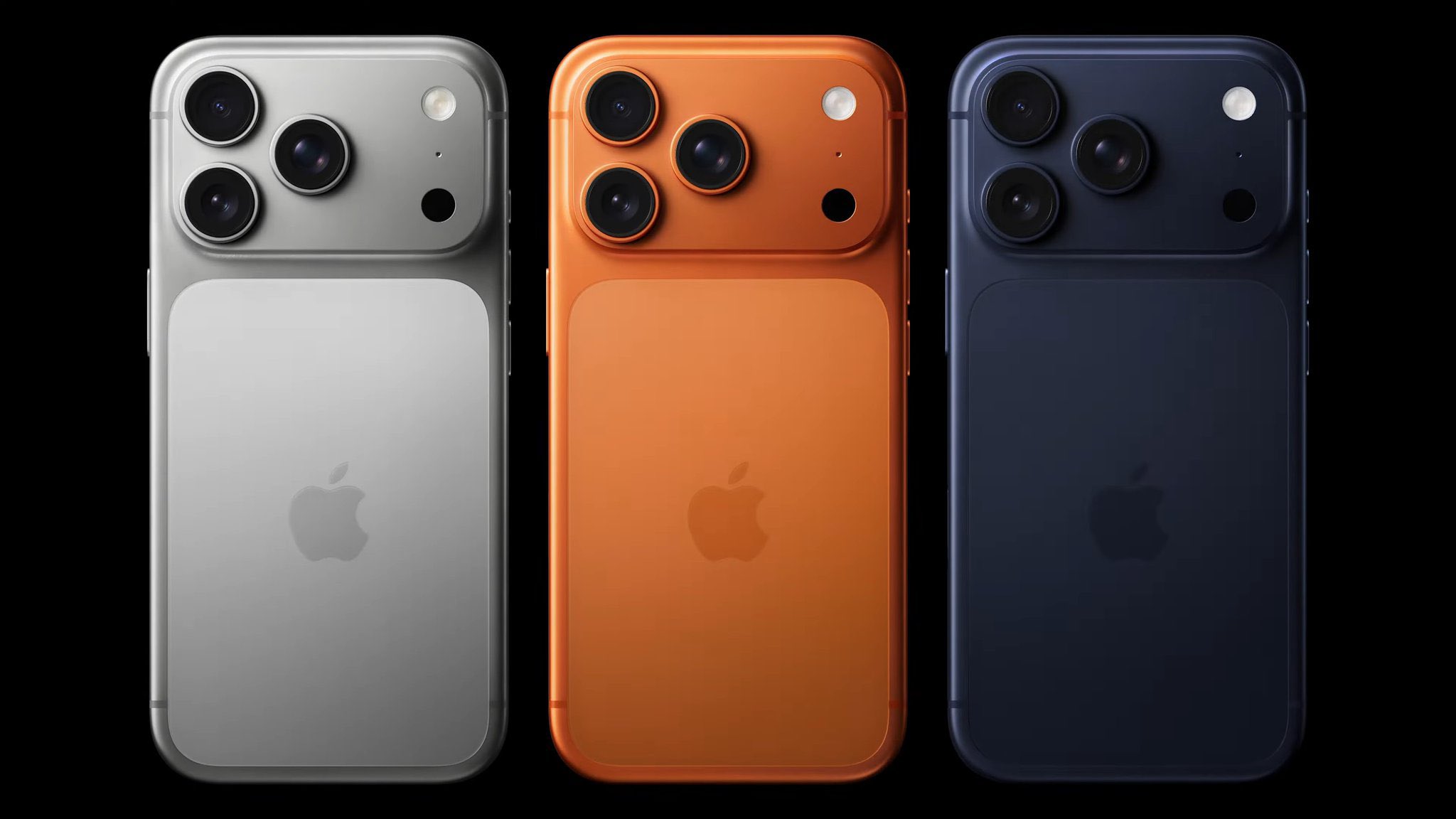
Apple just posted one of its biggest quarters ever, and the numbers show exactly what’s powering the surge: iPhone demand in the United States.
In fiscal Q1 2026, Apple reported $143.756 billion in revenue, with iPhone sales contributing more than half of that total. That momentum carried straight into the U.S. smartphone market in Q4 2025, where Apple tightened its grip following the iPhone 17 launch—making it difficult for any rival, including Samsung, to slow the company down in its most important region.
U.S. smartphone sales grew by 1% year over year in Q4 2025, but Apple’s performance outpaced the market. According to Counterpoint Research, Apple’s U.S. share climbed to 69%, an increase of 4 percentage points compared to the prior period. In contrast, Samsung’s share slid to 13% for the quarter, highlighting how lopsided the market became during Apple’s latest iPhone cycle.
A major driver behind Apple’s dominance was aggressive carrier support. Elevated promotional activity from AT&T, T-Mobile, and Verizon helped push iPhone upgrades and new purchases at scale. AT&T, in particular, saw Apple sales reach a record 89% of its smartphone sales, while the iPhone 17 Pro Max emerged as the top-selling model across all three major carrier channels. When the most popular premium phone is also the best-seller at every major carrier, competitors have very little room to build momentum.
That said, Samsung may have an opportunity to regain some ground soon. The Galaxy S26 lineup is approaching, and Samsung typically leans heavily on trade-in deals, launch promotions, and early-adopter incentives to stimulate demand in the U.S. market. The company also tends to benefit later in the year when it introduces new foldable flagship phones, creating another window to attract premium buyers who want something different from the standard slab-style smartphone.
Apple’s next major flagship wave—the iPhone 18 family—is not expected until Q3 2026, but the company likely won’t be standing still in the meantime. An iPhone 17e launch is reportedly on the horizon, which could help Apple maintain sales volume and keep its market share strong through the next stretch of the upgrade cycle.
There’s also an important pricing question looming over the next generation: memory costs. With DRAM prices expected to rise, some observers are watching closely to see whether Apple passes those increases on to consumers with higher iPhone 18 prices. Analyst Ming-Chi Kuo has suggested Apple could choose to absorb those added costs instead, using its financial strength to stay competitive and protect demand. Apple’s fast-growing Services business gives it extra flexibility here—Services brought in $30.013 billion in fiscal Q1 2026 alone, providing a massive buffer that could offset hardware margin pressure if Apple decides to prioritize market advantage over near-term profit per device.
For now, the story in the U.S. is clear: Apple is selling iPhones at a scale that’s widening the gap, and the combination of carrier promotions, strong flagship demand, and additional product launches could keep the company on top well into 2026—unless competitors can deliver a meaningful reset with their next wave of devices.


