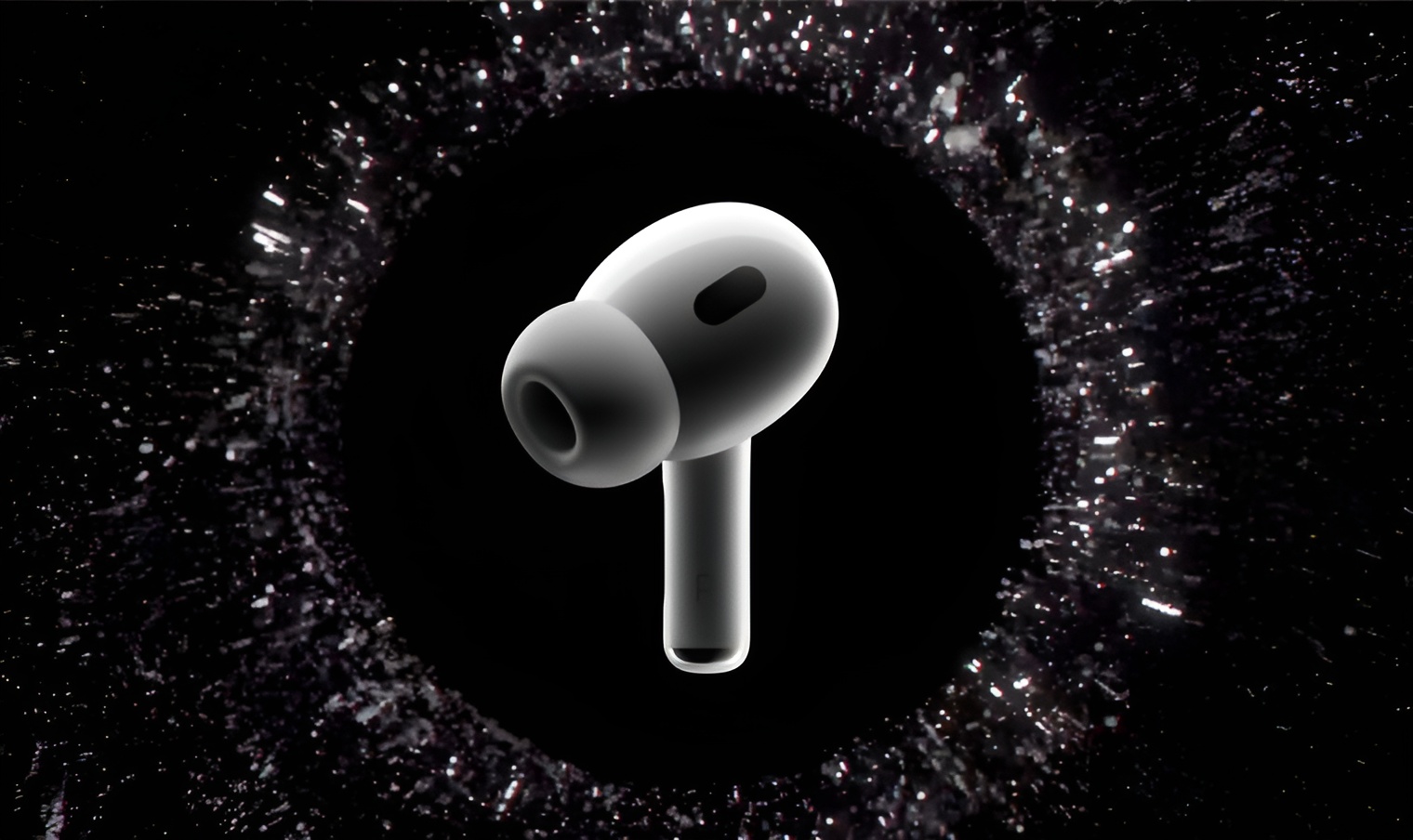
Apple is preparing a new wave of AI-powered wearables, and the company’s incoming CEO, John Ternus, is reportedly betting big on what’s coming next. In internal remarks, Ternus has suggested Apple is on the verge of “changing the world” again—language that intentionally echoes the impact of landmark products like the iPhone and iPod. The upcoming lineup is expected to include a camera-equipped version of AirPods Pro, new smart glasses, and a compact AI pendant designed to work closely with Siri.
The most talked-about device in this group is the camera-equipped AirPods Pro. Apple has explored using camera-like sensors for proximity detection and 3D depth mapping, and the concept appears to be progressing toward reality. The latest details indicate this next-generation AirPods Pro model is in the design validation stage, which is a major milestone and typically one of the final steps before early production begins.
So what would cameras in AirPods actually do? The key idea is context. The cameras would continuously provide visual input to Siri, helping the assistant understand what’s happening around you. That could enable a more practical, “in-the-moment” Siri experience—where you can ask about nearby objects, get more relevant and personalized reminders, and receive clearer, step-by-step navigation and directional guidance based on what you’re seeing in real time.
Because an always-on visual system raises obvious privacy questions, Apple is expected to include a visible indicator. The AirPods would reportedly use an LED light that turns on whenever visual information is being sent to Siri, signaling that the camera system is active.
In terms of design, the camera-equipped AirPods Pro are said to resemble the expected AirPods Pro 3 style, but with a larger stem to accommodate the camera hardware. The product’s timing has also been a moving target. Apple had reportedly aimed to introduce the device earlier, but plans were pushed back as the company worked through challenges with its AI strategy. Now, the AirPods may be aligning with Apple’s broader Siri reboot, which is expected to arrive in a more chatbot-like form later this year and may rely on a cloud-based model approach. If that timeline holds, the camera-equipped AirPods Pro could land in the fall.
AirPods aren’t the only wearable Apple has in the pipeline. The company is also working on smart glasses with no built-in display, with launch expectations pointing to early 2027. These glasses are said to include cameras, microphones, and speakers, essentially turning them into an AI-first accessory designed around voice interaction. The glasses would be able to take photos and videos, sync with an iPhone for editing and sharing, manage phone calls, track notifications, play music, and support hands-free Siri use throughout the day.
Then there’s the AI pendant—an intriguing concept positioned as a small, always-available Siri companion. It’s described as being around the size of an AirTag and would include a camera and microphone to capture context and relay commands. Unlike some other attempts at AI wearables, this pendant is not expected to use a projector or any display system. Instead, it would lean heavily on the iPhone for processing, though it may still include an onboard chip comparable to what’s found in devices like AirPods or Apple Watch. One open question is audio: Apple engineers are reportedly still debating whether the pendant should include dedicated speakers.
Taken together, these devices paint a clear picture of where Apple wants to go next: ambient computing powered by an upgraded Siri that can understand your surroundings, not just your words. If Apple can deliver on the promise of practical, privacy-conscious “always there” AI—without forcing users into awkward new habits—this new generation of wearables could become the company’s next major platform shift.