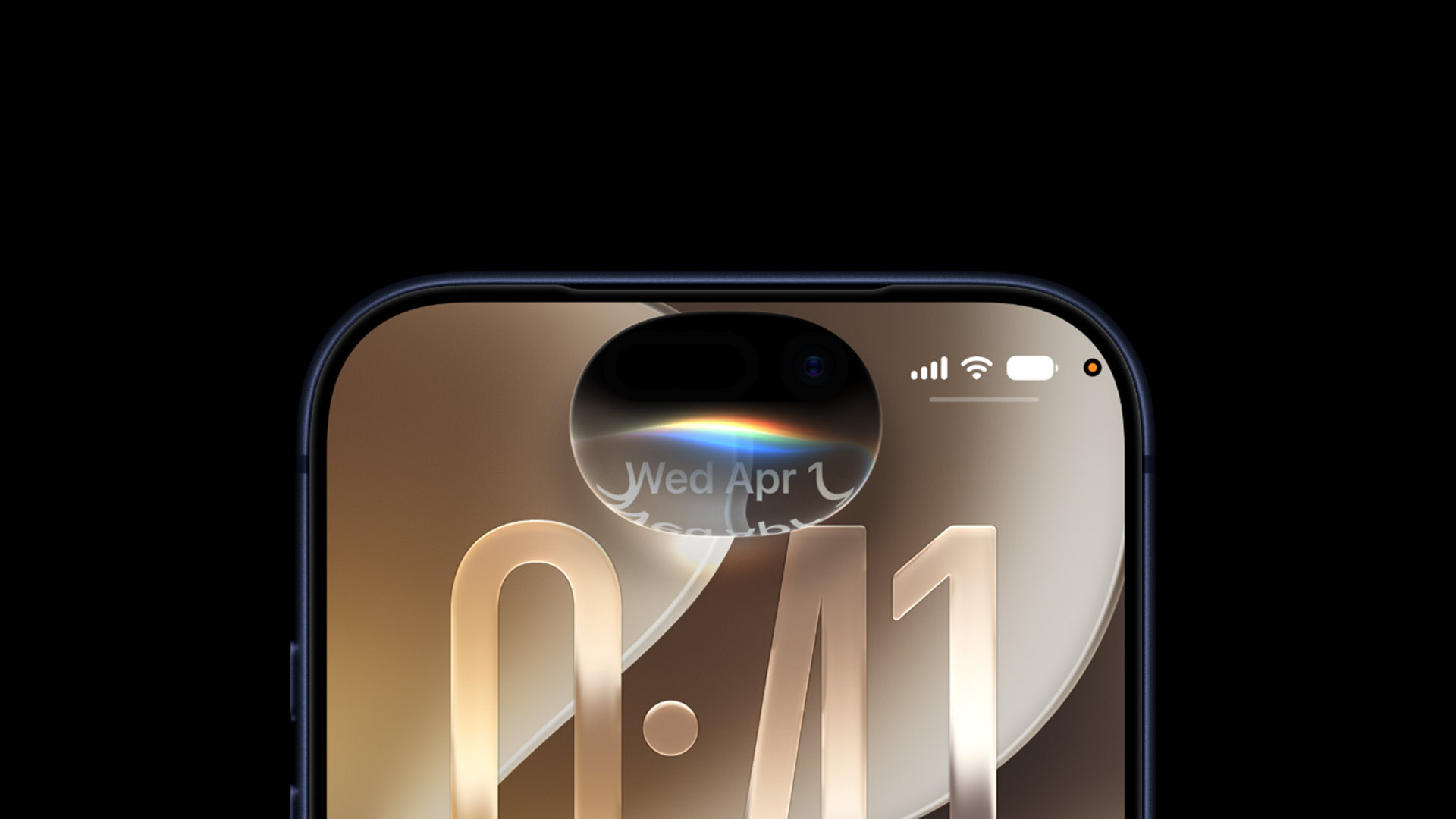
Apple’s Liquid Glass Gets a Major Performance Fix Across iOS 27, macOS 27, and More
Apple’s Liquid Glass design is not going anywhere. Whether users embraced it or criticized it, the company appears committed to making its bold visual overhaul a permanent part of its software future.
When Apple first introduced Liquid Glass with iOS 26, the design instantly became one of its most debated software changes in years. The company described the new interface as more expressive, fluid, and responsive, with lighting, reflection, and refraction effects intended to make apps and system elements feel more alive. However, many users felt differently.
Across iPhone, iPad, Mac, Apple Watch, Apple TV, Vision Pro, and HomePod software, complaints quickly surfaced about reduced performance, inconsistent animations, and added strain on older devices. The visual style looked ambitious, but for some users, it came at the cost of speed and smoothness.
Now, Apple appears to be correcting course.
At WWDC 2026, the company revealed a major wave of optimizations across iOS 27, iPadOS 27, macOS 27, watchOS 27, tvOS 27, visionOS 27, and homeOS 27. Instead of simply pushing more visual changes, Apple focused heavily on improving stability, responsiveness, and overall system performance.
The message is clear: Liquid Glass is here to stay, but Apple wants it to feel faster, lighter, and more practical.
One of the biggest takeaways from the presentation was Apple’s focus on fixing the foundation behind its software. The company reportedly identified 262 fixes across its operating systems, with one of the most important changes being an optimized CPU scheduler.
That may not sound flashy, but it matters. A better CPU scheduler can help the system decide more efficiently which tasks need processing power and when. In everyday use, that can lead to faster app launches, smoother animations, improved multitasking, better battery life, and fewer slowdowns.
For users who felt Liquid Glass made their devices feel heavier or less responsive, this kind of under-the-hood improvement could make a noticeable difference.
Apple’s approach this year also suggests a shift in strategy. In the past, the company often focused on adding new features and redesigning parts of the user experience, sometimes without fully addressing user criticism. With iOS 27 and macOS 27, Apple seems more willing to pause, refine, and optimize.
That matters because software design is no longer just about how beautiful something looks. It also has to feel fast, stable, and reliable. A stunning interface can quickly become frustrating if it slows down daily tasks.
Liquid Glass may have been designed to make Apple’s platforms feel more modern and dynamic, but the first version clearly needed more polish. Apple’s latest updates suggest the company has listened to feedback and is now working to strike a better balance between visual appeal and real-world performance.
Early signs appear promising. Some users testing the macOS 27 Golden Gate developer beta have reported that it feels faster than the stable version of macOS Tahoe, even on older Apple Silicon machines such as the M1 Pro MacBook Pro. If that experience carries over to the public release, macOS 27 could become one of Apple’s most important optimization-focused updates in years.
Another major point is device support. iOS 27 is said to support the iPhone 11, a device that launched nearly seven years ago. That is significant because modern visual effects like Liquid Glass could easily have been limited to newer hardware. By keeping support for older iPhones, Apple is showing that performance improvements are not only meant for the latest models.
This could be a major win for long-term iPhone users. Many people keep their phones for several years, and extended software support remains one of Apple’s strongest advantages. If iOS 27 can deliver a smoother experience on older devices while maintaining the Liquid Glass design, it could help restore confidence among users who were disappointed by iOS 26.
The bigger question now is whether Apple will continue this pattern in future updates. The company may begin alternating between feature-heavy releases and optimization-focused releases. If iOS 27, iPadOS 27, and macOS 27 are about refinement, then iOS 28 and macOS 28 could return to introducing more visible new features.
That strategy could make sense. One year dedicated to new capabilities, followed by another year focused on speed, stability, and battery improvements, would give Apple’s software ecosystem room to evolve without becoming bloated or inconsistent.
For now, WWDC 2026 appears to mark an important turning point. Apple is not abandoning Liquid Glass, but it is making the design more efficient and responsive. The company seems to understand that users want more than visual effects. They want software that feels polished, quick, and dependable every day.
If Apple can deliver that across iPhone, iPad, Mac, Apple Watch, Apple TV, Vision Pro, and HomePod, then iOS 27 and its companion updates could become some of the most well-received releases in recent years.
Liquid Glass may have started as a divisive redesign, but with the right performance improvements, it could still become the foundation for Apple’s next major software era.


