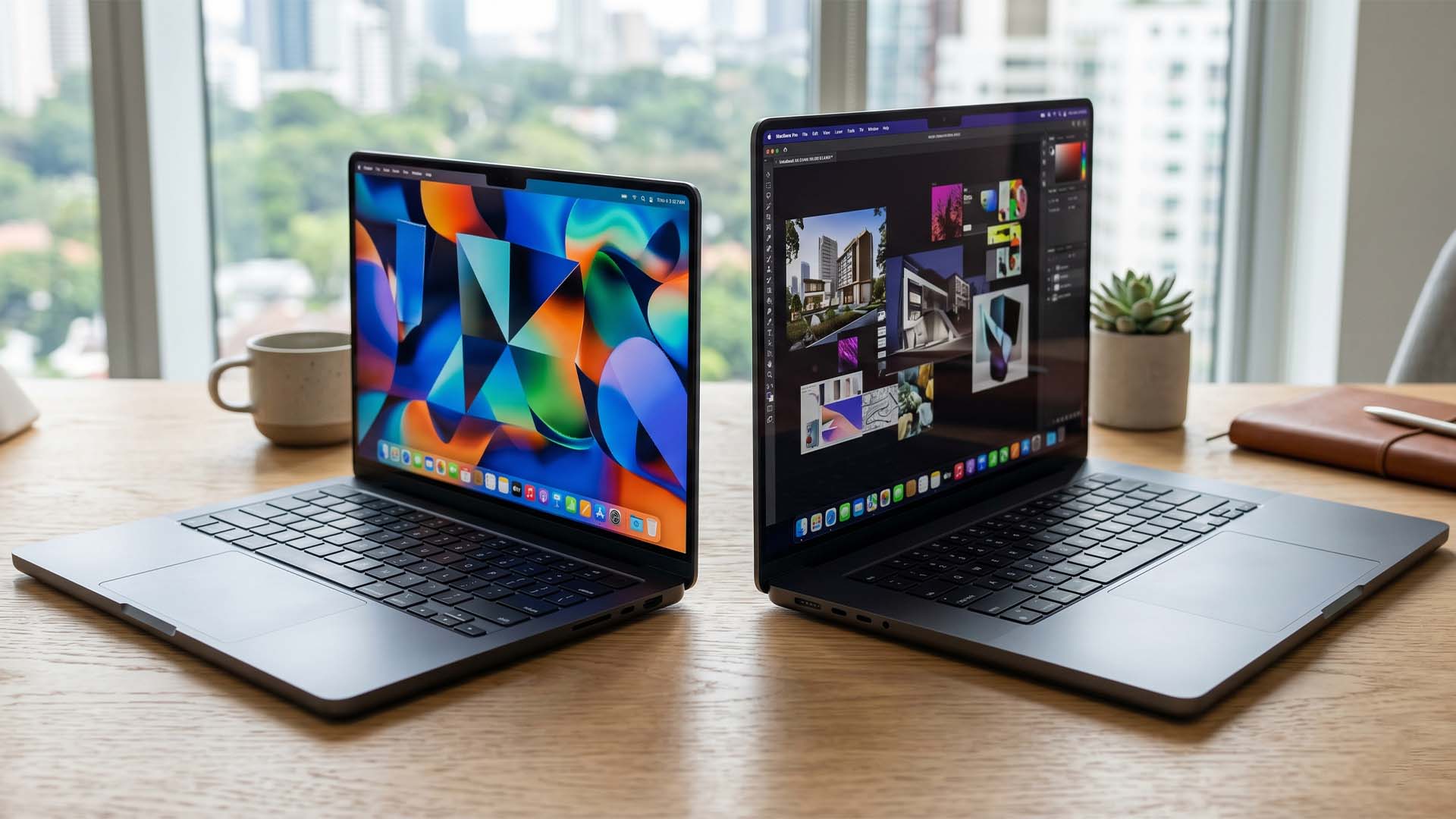
Apple’s next big MacBook Pro refresh may be taking longer than expected, and that could keep today’s M5, M5 Pro, and M5 Max models in the spotlight well into 2027. New supply chain concerns suggest the M6 Pro and M6 Max MacBook Pro plans—previously anticipated for 2026—could slip by as much as a year due to ongoing component constraints affecting memory and storage.
The main issue is a continued DRAM shortage that’s also weighing on NAND flash availability, creating production pressure across the industry. For Apple, that kind of bottleneck can ripple through launch schedules, especially for premium, higher-volume products like the MacBook Pro. While Apple has reportedly worked to simplify parts sourcing—such as leaning on the same SSD chip used across iPhones and MacBooks—those efforts may not be enough to fully shield upcoming hardware from supply limitations.
That said, not every M6 MacBook Pro configuration is necessarily on the same timetable. The base M6 MacBook Pro could still arrive earlier than the redesigned higher-end versions if Apple sticks to a staggered release strategy similar to the rollout pattern used for the M5 generation. In other words, Apple could potentially introduce a non-redesign model first, while the bigger, headline-grabbing upgrades wait until supply and production are more stable.
Importantly, the delay doesn’t appear to be about software readiness. macOS 27 is still expected to be prepared for fall, and it’s rumored to include interface accommodations that align with touchscreen support on the more expensive M6 Pro and M6 Max models. That implies the holdup is more about hardware production realities than unfinished operating system features.
If the redesigned M6 MacBook Pro models do arrive later—with major changes like a new chassis and a display upgrade (including OLED expectations and touchscreen capability)—they may also come with noticeably higher prices. Those extra components and design changes increase costs, and Apple may respond by keeping older M5 models on sale as more affordable options rather than discontinuing them immediately. That approach would give buyers a clearer price ladder: proven M5 configurations at lower price points, and redesigned M6 Pro/M6 Max systems positioned as premium upgrades.
For shoppers, the takeaway is simple: if you’re waiting for a dramatic MacBook Pro redesign, the timeline may be stretching out. Meanwhile, the M5, M5 Pro, and M5 Max MacBook Pro lineup could remain Apple’s primary performance notebook offering for longer than previously expected—making current-generation models a more relevant choice in 2026 and possibly beyond.