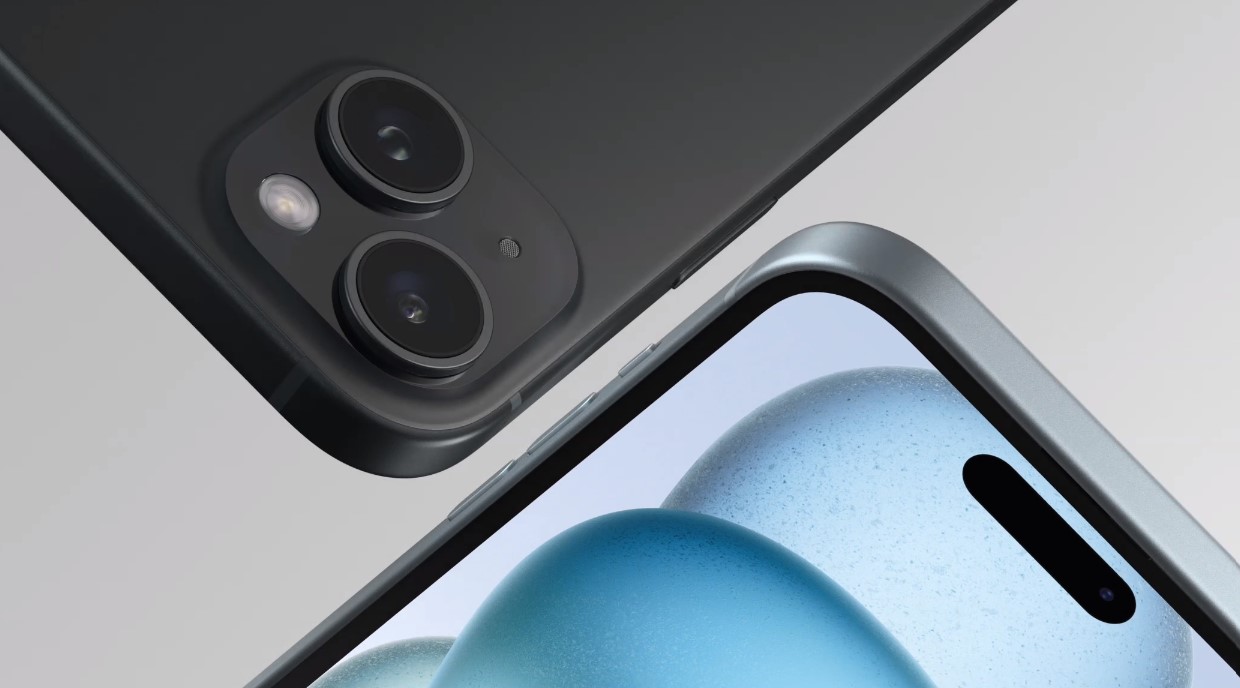
Apple, in a dramatic shift from its usual growth trajectory, faced a significant challenge in holding onto its leading market position in China, resulting in the company handing over the crown to Samsung in the first quarter of 2024. Recognizing the importance of the Chinese market, Apple strategically implemented substantial discounts, up to $318, on their latest iPhone 15 models. This move was aimed at sustaining sales momentum in anticipation of the forthcoming iPhone 16 release. The strategy seems to have been successful, as recent reports indicate a notable 52% increase in iPhone shipments compared to the same period the previous year.
One observable factor in Apple’s resurgence in China is the impact of the long wait times for Huawei’s premium smartphones on consumer choices. Smartphone shipments within China have seen an advancement, with data from the China Academy of Information and Communications Technology highlighting that foreign brand shipments accounted for 3.5 million units, the lion’s share of which belonged to Apple. A slump observed in January and February was reversed in March, suggesting a positive response to Apple’s pricing adjustments.
Market analysts Steven Tseng and Sean Chen have commented on changing consumer purchase behavior, indicating a potential stabilization of Apple’s market share in China. A shift in Chinese consumers’ smartphone preferences is potentially linked to the market’s upscale progression, as long wait times for Huawei’s flagship products prompt customers to look elsewhere. Survey findings show that while over half of the participants are inclined to invest over 4,000 yuan (approximately $790) in their next smartphone, only 33% currently possess a high-end model.
Although the specifics of how the discounts for the iPhone 15 range influenced customer decisions have not been detailed in the report, it’s plausible that this pricing strategy played a role in Apple’s favor. As Apple gears up for the release of its iPhone 16 family in September, competitors, most notably Huawei with its rumored Mate 70 lineup expected in October, are closely on its heels. The end of 2024 will indeed be telling, as both tech giants vie for market dominance.
Despite the competitive scene, Apple’s approach in the Chinese market illustrates the importance of flexible marketing strategies and understanding consumer behavior—lessons that are relevant for companies across various industries. The company’s recent success in China can provide insights into tackling market challenges, connecting with buyers, and strategically introducing incentives to boost sales. For individuals and businesses alike, adapting to market trends, evaluating consumer needs, and timely innovation are key takeaways for maintaining relevance and achieving growth in dynamic market landscapes.


