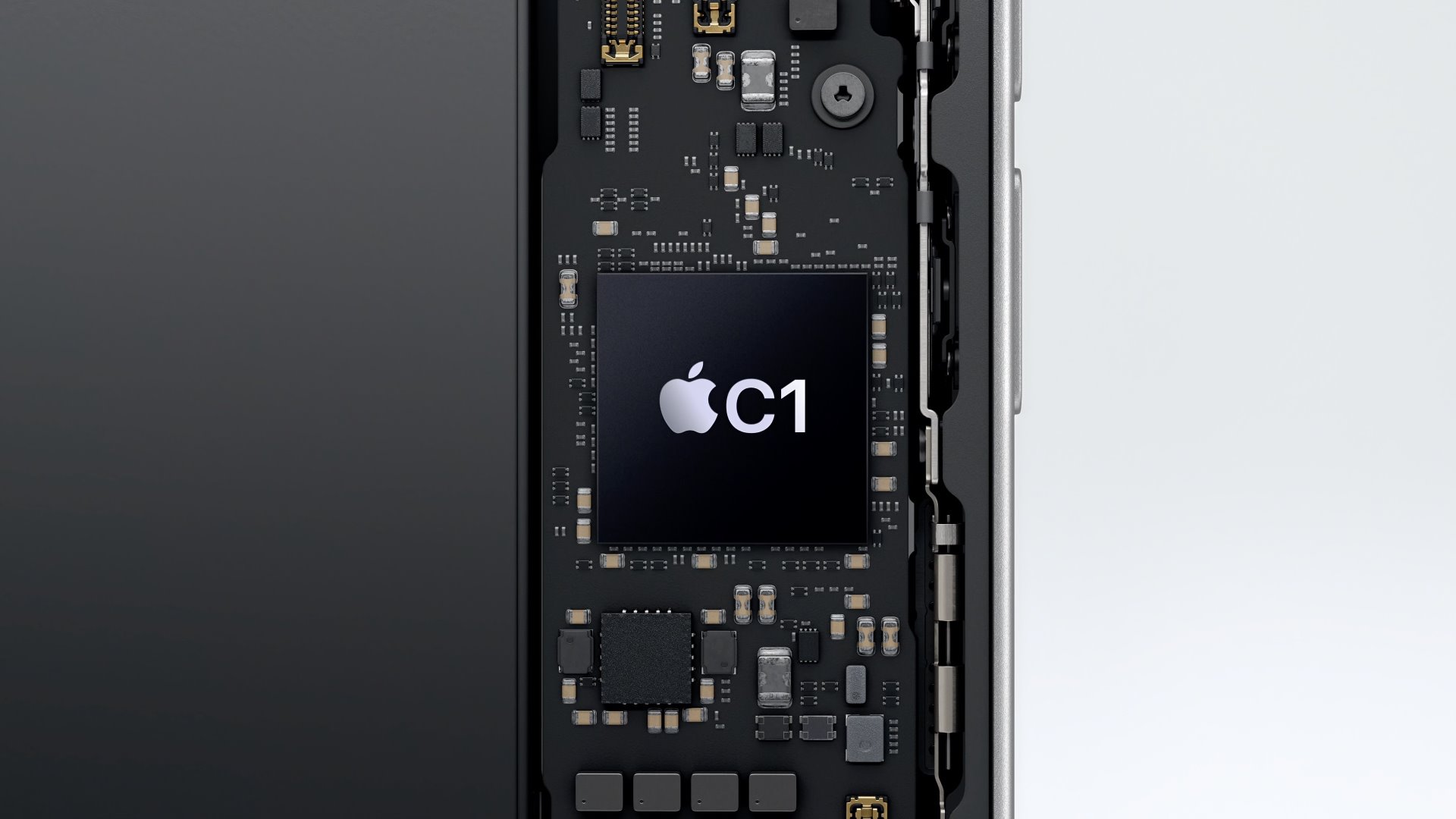
Apple’s journey toward achieving technological autonomy has taken a significant leap with the anticipated release of the iPhone 17 Air and iPhone 17e. These models are rumored to feature Apple’s own baseband chip, signaling a shift away from reliance on external suppliers. However, questions remain about whether this new chip will be the same as the C1 found in the iPhone 16e or an upgraded version, possibly the C2.
If Apple continues with the C1 in these forthcoming models, users might miss out on mmWave networks in the U.S., highlighting the ongoing transition challenges.
A recent code leak suggested that Apple’s in-house 5G modem is set for the iPhone 17 Air this year and the iPhone 17e in 2026. Meanwhile, other iPhone 17 models will still rely on Qualcomm, albeit with the possible addition of a custom Wi-Fi chip. This shift could see the iPhone 17 Air as Apple’s first to boast two self-developed wireless chips.
A key mystery remains: will these models feature the C1 or the more advanced C2? Without official confirmation, speculation is rife. The C1, present in the iPhone 16e, doesn’t support mmWave, making Qualcomm’s solutions preferable if such networks are vital. However, the rumored C2 is expected to bridge this gap and support mmWave, potentially debuting in these new models.
The anticipation builds as observers wonder about Apple’s decision. While signs suggest the iPhone 17 Air might retain the C1, with the iPhone 17e potentially upgrading to the C2, Apple’s plans remain closely guarded. All eyes are on the official announcement, predicted for September 9, which will finally unveil Apple’s latest technological strides.