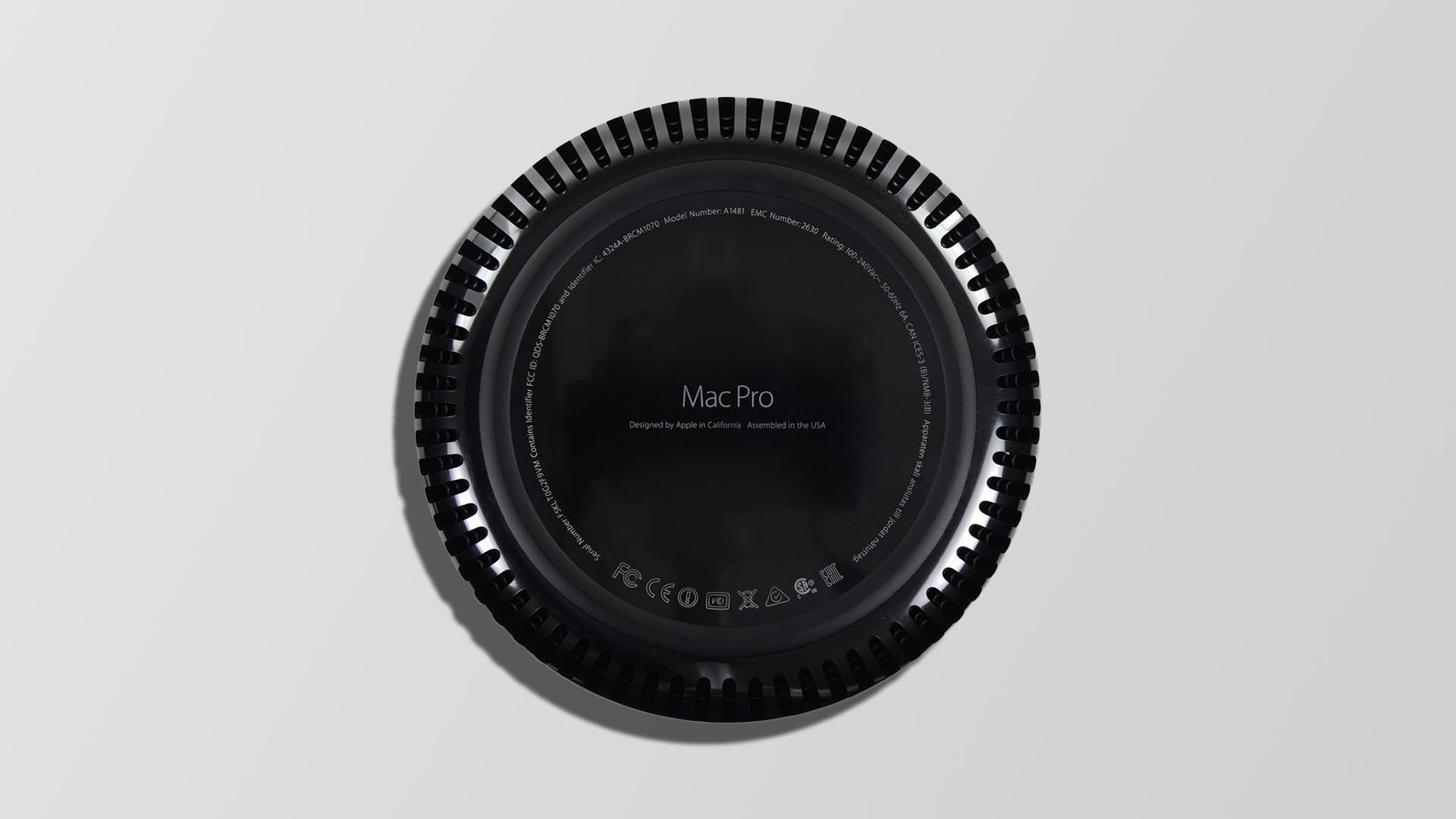
Over a decade ago, Apple unveiled the 2013 Mac Pro, a machine that captivated the tech world with its striking design, often likened to a ‘trash can’. This model became an iconic symbol of Apple’s innovation in workstation-class devices. However, its unique form factor eventually made way for a return to the traditional tower design when Apple introduced its Apple Silicon, relegating the ‘trash can’ to the vintage list.
The Mac Pro’s journey to the vintage list took an impressive 12 years, surpassing Apple’s usual timeline of five years post-launch. This extended lifespan speaks to its sustained popularity and enduring presence in the market. For those unfamiliar, a product on Apple’s vintage list can still receive service and parts as long as they’re available at authorized outlets. After this period, products typically transition to the ‘obsolete’ category after about seven years.
The transition from the futuristic ‘trash can’ design to the ‘cheese grater’ model in 2019 marked a significant shift. The latter aptly accommodated the demanding Intel Xeon processors. Despite the hopeful anticipation surrounding its release, the original Mac Pro faced criticism. The design’s thermal limitations hindered the performance potential, and the lack of upgradability, a hallmark of previous models, was a notable drawback. Apple’s SVP of software engineering, Craig Federighi, later acknowledged these design challenges.
Yet, with Apple’s strides in developing power-efficient Apple Silicon, there’s potential to revisit this avant-garde design. Given the integration of RAM and graphics into the chipset, the need for extensive cooling is drastically reduced. While it remains uncertain if Apple will resurrect this design, the prospect is intriguing. Only time will reveal if the ‘trash can’ will make a comeback in the era of Apple Silicon.