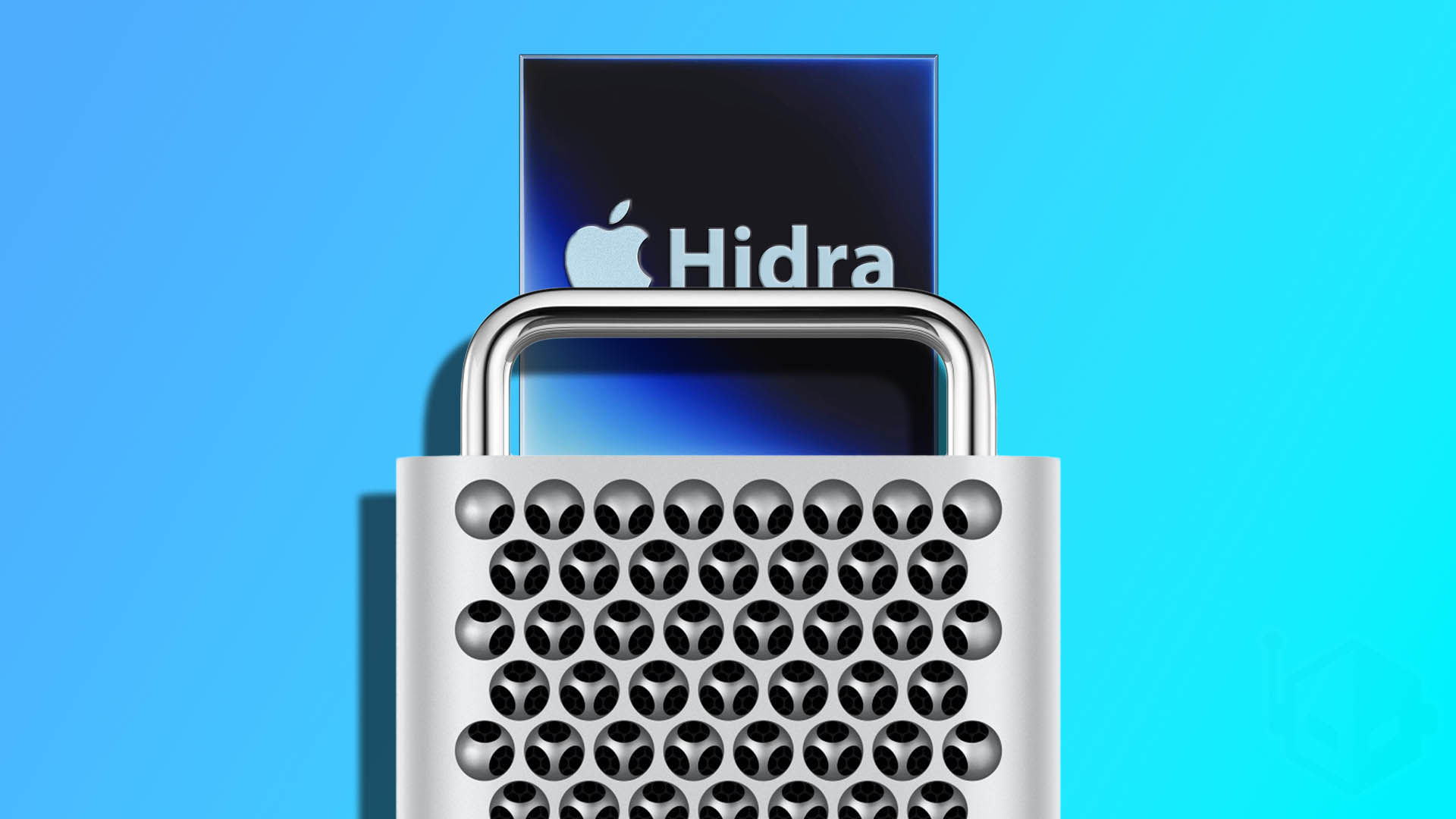
The upcoming Mac Pro is poised to be Apple’s powerhouse, potentially exceeding expectations and innovations in their product line. The anticipation is high as Apple enthusiasts speculate about the integration of the company’s upcoming M4 series of chips. Traditionally, the Mac Pro was thought to feature the acclaimed M4 Ultra—successor to the current-generation M2 Ultra found in Apple’s workstations. However, Apple might have some surprising new plans up its sleeves.
There’s growing excitement around a possible SoC named ‘Hidra’ which could be associated with the Mac Pro, raising expectations for increased performance. ‘Hidra’ is speculated to share the same advanced lithography as the M4 Ultra but with a boost—offering even more CPU and GPU cores to truly entice consumers.
While Apple plans to unveil a range of Macs in the coming months, it’s the M4 lineup that has captured most of the media buzz. Initially forecasted to outshine the M4 Max, the M4 Ultra was set to be a showstopper with its significant power upgrades. Yet, with ‘Hidra’ entering the mix, we may see an even more formidable option for the Mac Pro. This revelation suggests that the Mac Pro might feature a distinct chipset, elevating its performance capabilities beyond the expectations set for the M4 Ultra.
Currently, the Mac Pro commands a hefty price, especially when maxed out with the M2 Ultra, costing significantly more than the already powerful Mac Studio. This price difference prompts potential buyers to consider whether the expense is justified.
Although specifics around the Hidra chip remain a mystery, it’s conceivable that Apple could add various enhancements to make the Mac Pro clearly stand apart—most likely with more robust CPU and GPU cores. Currently, the M4 Ultra promises a powerful 32-core CPU, likely outperforming heavyweight competitors like AMD’s Ryzen 9 9950X in multi-core benchmarks. Additionally, the GPU aspect of the M4 Ultra is set to be impressive, with a proposed 80-core count—a significant leap from the M4 Max.
Should Hidra deliver even more powerful features than the M4 Ultra, the Mac Pro could redefine performance standards. However, with details scarce, speculation is cautious. As Apple continues to innovate, tech enthusiasts will eagerly await more concrete announcements. In the meantime, these rumors continue to build excitement and anticipation for what could be a major leap forward for Apple’s powerhouse workstations.


