Apple’s foldable iPhone Duo is missing a familiar FaceTime feature that many iPhone users may not even think about until it is gone: Eye Contact. The setting, available on many other iPhones, subtly adjusts your gaze during video calls so it looks like you are looking directly into the camera instead of at the person’s image on the screen.
On the iPhone Duo, that option is not available. For a device built around a large foldable inner display, this is a surprising omission, especially because the screen naturally encourages longer FaceTime calls, video meetings, and hands-free conversations.
FaceTime Eye Contact has been part of the iPhone experience since iOS 14. The feature uses machine learning to modify the appearance of your eyes in real time, creating the impression that you are maintaining eye contact with the person on the other end of the call. In practice, it makes video chats feel more natural and personal.
What makes the iPhone Duo situation more unusual is that Eye Contact is not limited only to iPhones with Face ID. Even some iPhone models with Touch ID support the feature, which suggests that the absence of Face ID on the foldable iPhone is probably not the main reason for the missing setting.
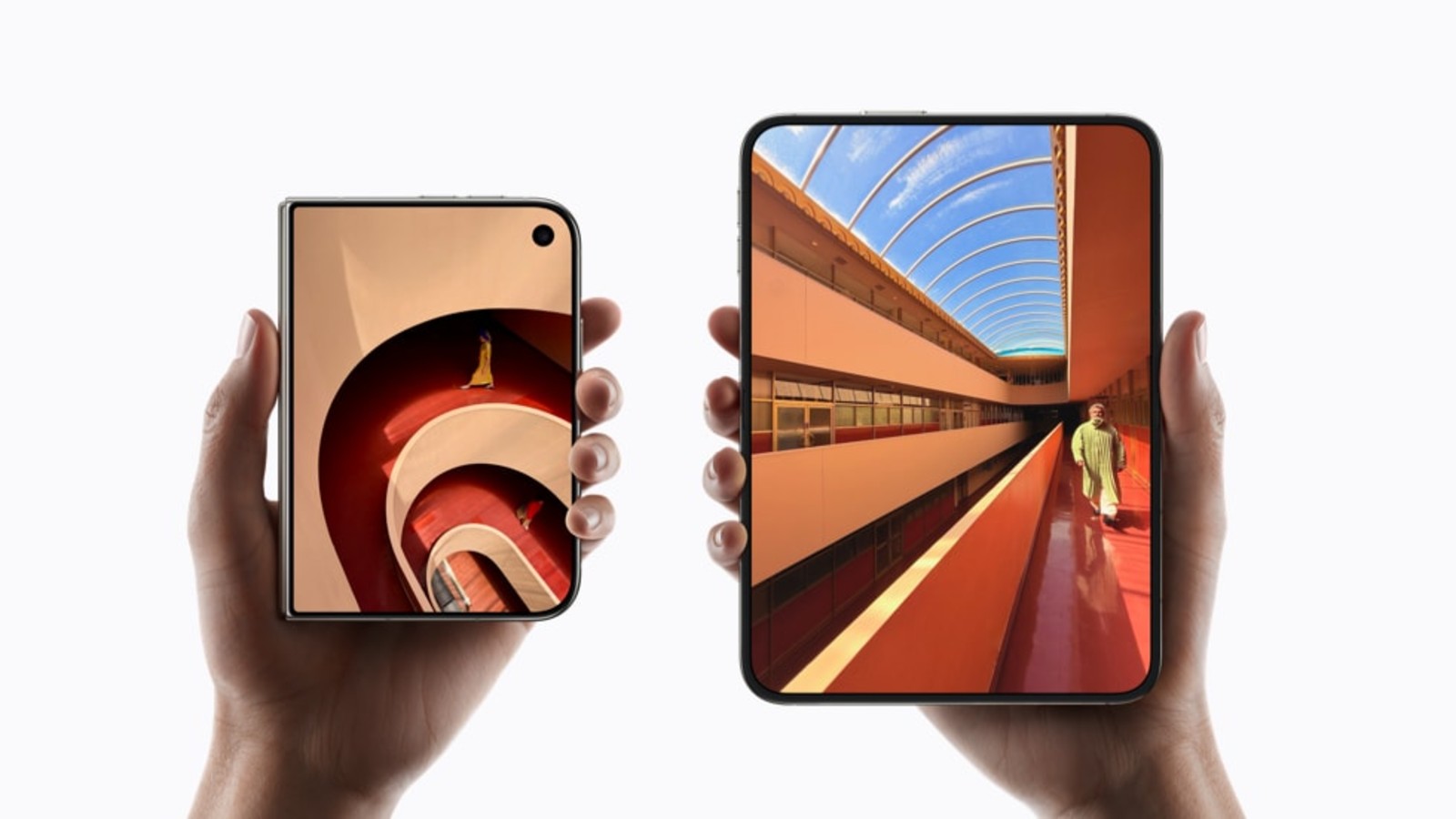
The more likely explanation is the iPhone Duo’s inner camera placement. Unlike a standard iPhone, where the front-facing camera is positioned near the top of the display, the foldable iPhone’s under-display camera is reportedly placed toward the right side of the inner screen. That creates a much wider sideways gap between where the user is looking and where the camera is located.
On a regular iPhone, Eye Contact only has to correct a relatively small difference between the screen and the camera. On the iPhone Duo, the software would need to compensate for a larger and more complex angle. If the correction is too aggressive, it could make the caller’s eyes look unnatural or misaligned. In that case, Apple may have decided that no correction is better than a distracting or awkward one.
The foldable design also adds another challenge. The iPhone Duo can be used in different positions, with different screen configurations and viewing angles. That means the camera’s relationship to the user’s face can change depending on how the device is folded or held. A feature like Eye Contact would need to adapt accurately in real time, which may not be simple with the current hardware and software setup.
This does not appear to be a hardware defect. Instead, it looks more like a deliberate software limitation tied to the unique design of Apple’s first foldable iPhone. The camera under the inner display may be useful for keeping the screen uninterrupted, but it also seems to introduce compromises for video calling.
For casual users, the missing FaceTime Eye Contact setting may not be a deal-breaker. Many people may never notice it unless they compare calls side by side with another iPhone. But for frequent FaceTime users, remote workers, content creators, and anyone who spends a lot of time on video calls, it could be another drawback to consider before buying the iPhone Duo.
The big question is whether Apple can bring FaceTime Eye Contact to the iPhone Duo through a future iOS update. It is possible, but the feature would likely need more advanced processing to handle the foldable screen, the under-display camera, and the shifting camera position. Until then, iPhone Duo users may have to accept that their FaceTime gaze can look slightly off during calls.
The iPhone Duo remains one of Apple’s most ambitious devices, but like many first-generation foldable phones, it comes with trade-offs. The missing Eye Contact feature is a small detail, yet it highlights the challenges of adapting familiar iPhone features to a completely new form factor.


