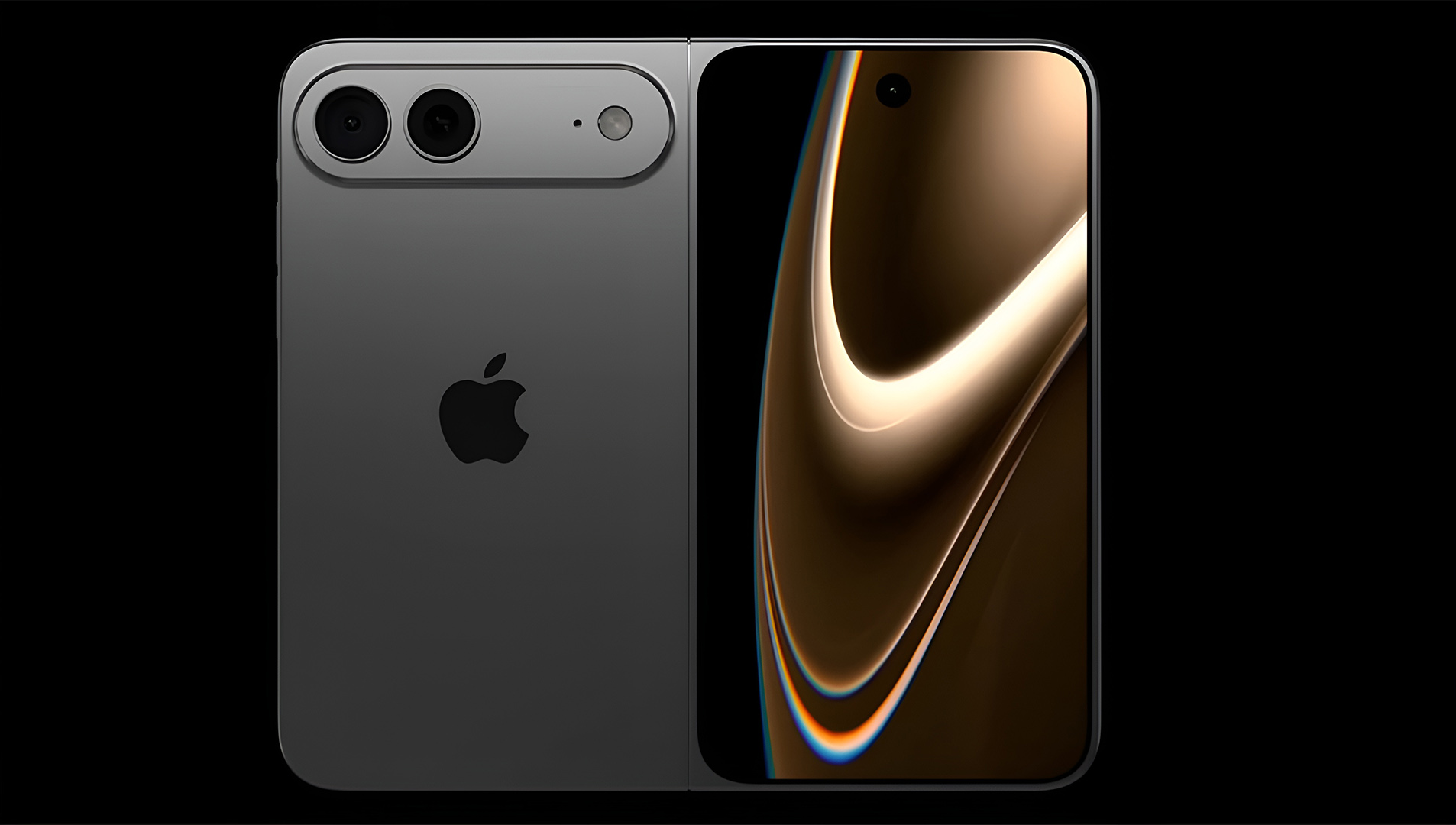
Apple’s long-rumored foldable iPhone could be heading for a surprise price shift, and if the latest chatter is accurate, it may put major foldable phone makers like Samsung in an uncomfortable position. A new report suggests Apple is considering a significantly lower starting price for its first foldable—potentially changing how consumers and competitors view the “premium foldable” category.
The newest claim out of South Korea says Apple is targeting a base price around $2,000 for the iPhone Fold. If that happens, it would undercut earlier expectations by a wide margin. Until now, the most common pricing talk has placed Apple’s foldable iPhone closer to the $2,300 to $2,400 range, which aligns with how expensive foldable hardware tends to be.
That said, the $2,000 figure is far from a sure thing. In recent months, multiple sources have pointed toward a noticeably higher entry price. One research note previously pegged the foldable iPhone’s base price at $2,399, while another recent leak suggested the 256GB model could land around $2,325. Put together, those estimates reinforce the idea that Apple’s first foldable iPhone may still arrive in the $2,300-plus tier rather than dropping to $2,000.
There’s also a practical reason many observers are skeptical of a lower launch price: foldables are expensive to build, and Apple’s rumored approach doesn’t sound cheap. In foldable phones, the hinge assembly and the folding display are widely considered the biggest cost drivers—often comparable to the price impact of the main processor itself. And Apple is expected to go even further by using advanced materials and display engineering designed to improve durability and reduce the visible crease.
Reports have suggested Apple may use a modified hinge that incorporates “liquid metal,” a material often associated with strength and wear resistance. On the display side, Apple is also believed to be aiming for a less noticeable crease by using ultra-thin flexible glass technology and a color filter process applied to the OLED encapsulation layer (often referred to as COE, or Color Filter on Encapsulation). These kinds of upgrades can make a foldable panel thinner, lighter, and more power-efficient—but they also tend to increase manufacturing complexity and cost.
Another clue pointing toward a higher price is how Apple may position the device. Mark Gurman of Bloomberg recently grouped the foldable iPhone among upcoming “Ultra” products—a label that generally signals top-tier pricing. That branding expectation makes the $2,000 rumor harder to accept, especially when you consider current iPhone pricing. In the US, a maxed-out iPhone 17 Pro Max configuration with 2TB storage can already approach roughly $2,000. If Apple wants its foldable to feel meaningfully more “Ultra,” it would likely need to sit above that level to maintain a clear premium gap.
All of this explains why some Apple watchers believe the device may not just be called iPhone Fold at all—and could instead launch as an iPhone Ultra, reflecting a new high-end tier intended to justify its pricing and status.
For now, the iPhone Fold price remains one of the biggest unanswered questions in the next wave of smartphones. If Apple truly enters at $2,000, it could force competitors to rethink foldable pricing strategies during a time when component and production costs remain high. If it lands at $2,300 to $2,400, it would still fit the current foldable market reality—and align more closely with expectations for an “Ultra” Apple product built with costly hinge and display innovations.