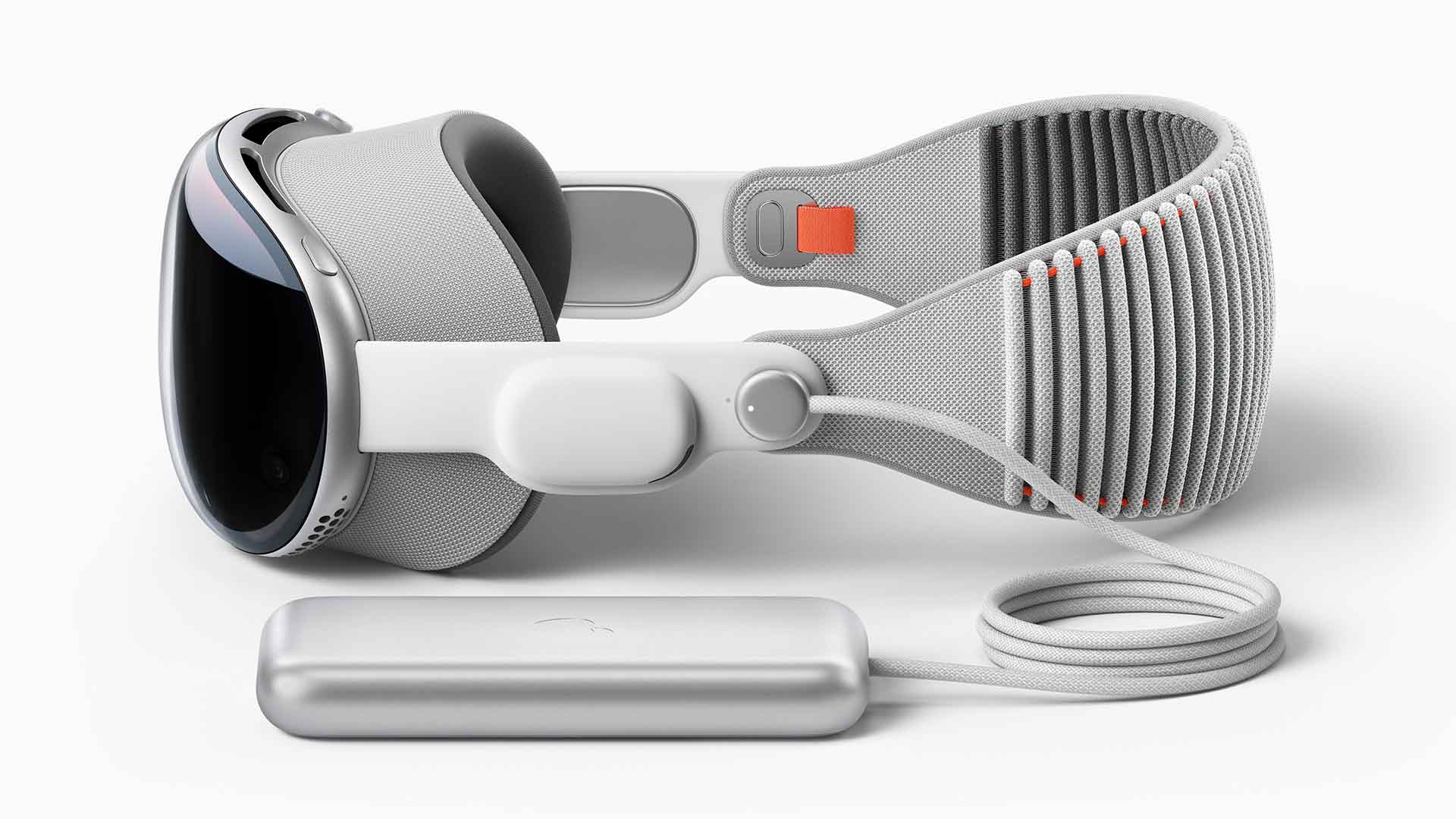
In the fast-evolving world of technology, it’s not uncommon for companies to file patents years before the public ever catches wind of new inventions. A fascinating example of this is a 2008 patent filing for a device called the ‘eyePod,’ which has recently resurfaced, revealing a striking resemblance to the Apple Vision Pro. This suggests that Apple may have been laying the groundwork for this innovative headset over 15 years ago. But despite years in development, the Apple Vision Pro’s journey hasn’t gone entirely as planned, with reports indicating its production might come to a halt by the end of 2024.
Back in 2008, the display technology required for such an advanced product simply wasn’t available, presenting challenges that are still felt today—namely, sluggish sales despite its impressive capabilities. Insights from a recent report shed light on the long and complex process behind turning an ambitious idea into the Apple Vision Pro reality. The filing, initially reported by a tech enthusiast, showcased Apple’s foresightedness, yet it also highlighted the common fate of most patents that never materialize into commercial products. Luckily, Apple defied the odds by bringing the AR headset to life, pricing it at a hefty $3,499.
One of the most intriguing aspects of the patent is the front visor’s design, which closely resembles that of the current Apple Vision model. It’s almost unbelievable that such an advanced design was conceived so long ago, but it seems that even cutting-edge aesthetics and technology weren’t sufficient to persuade a large number of buyers into making such a significant investment. As the availability of Apple Vision Pro dwindles in U.S. retail stores, industry analyst Ming-Chi Kuo has presented further developments, this time focusing on a more budget-friendly version of the headset.
The timeline for this more affordable iteration has shifted to beyond 2027, with an updated version expected in 2025. This future model is likely to feature Apple’s new M5 chipset and an array of enhancements including Apple Intelligence support. Kuo emphasizes that the delay is not solely a matter of cost but also hinges on the absence of compelling use cases necessary to justify the purchase for consumers. As the platform evolves and more applications become compatible, interest in this segment may well increase, potentially inviting a broader audience to embrace this technology.


