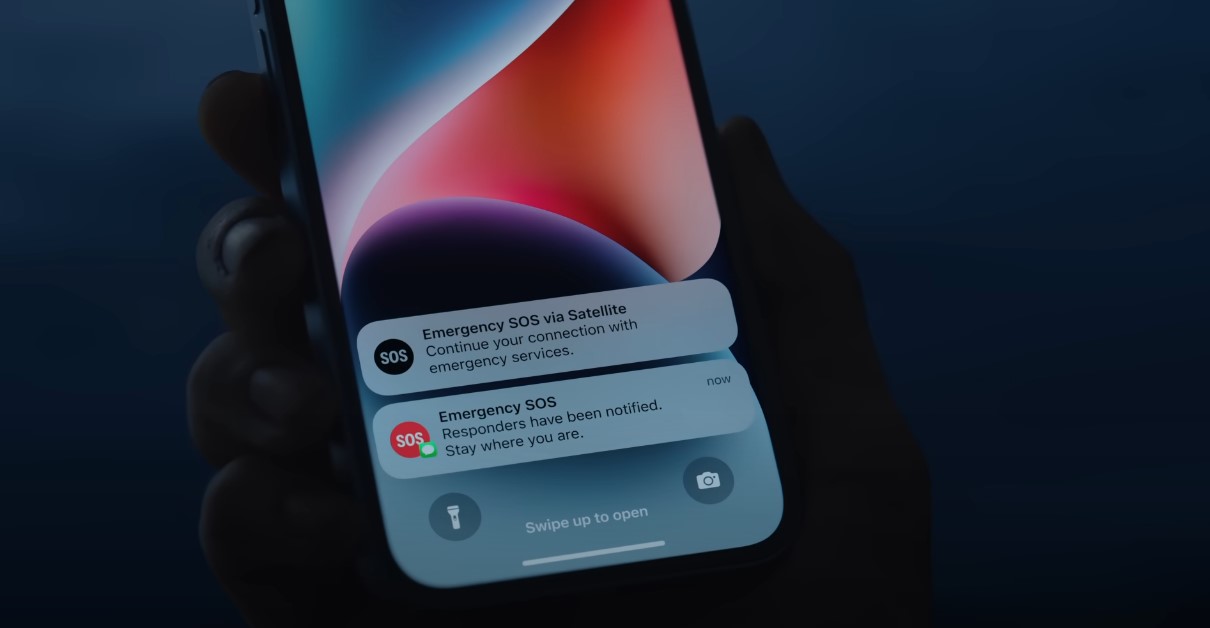
The ever-evolving world of smartphone technology often presents unique challenges, particularly when it comes to packing new and innovative features into compact devices. Apple, known for its ingenuity, tackled these challenges head-on with the introduction of Emergency SOS via satellite in the iPhone 14, unveiled two years ago today. Despite the feature’s dependency on clear skies to operate effectively, it made its initial rollout in the U.S. and Canada. Apple has consistently reminded users that the service would be free for the first two years, eventually transitioning to a subscription model. Yet, to the delight of iPhone users, this lifesaving capability is still available at no cost.
Apple achieved this breakthrough by collaborating with Globalstar, an American satellite communications company, ensuring that iPhone 14 models and future iterations could harness this technology. Recently, news surfaced that Apple’s alliance with Globalstar remains strong, with commitments from Apple to invest $1.1 billion to increase network capacity for the growing number of iPhones. Moreover, SpaceX is reportedly joining forces with Apple to launch $1.5 billion worth of satellites to accommodate the rising demand.
Emergency SOS via satellite has proven invaluable, aiding iPhone users in dire situations. Noteworthy incidents include a man’s survival after his vehicle plunged 400 feet in Crescenta Valley, thanks to a timely alert via Apple’s feature, enabling rescuers to pinpoint his exact location. Similarly, lost tourists in the mountainous region of Mugello were able to call for help despite lacking cellular coverage.
Despite its success, Apple’s feature remains unmatched in the market, with competitors struggling to develop a comparable alternative. In 2023, Qualcomm revealed its own version, Snapdragon Satellite, poised to offer emergency messaging across the globe on devices equipped with the Snapdragon 8 Gen 2. Partnering with Iridium, Qualcomm promised exciting prospects, but the partnership fizzled out without further advancements.
Undeterred, Qualcomm integrated the satellite communication capability directly into its Snapdragon 8 Elite chipset. Yet, it’s ultimately up to manufacturers to decide if they’ll include this technology in their devices. Although there’s no official word on whether Apple plans to monetize Emergency SOS via satellite, doing so might be seen unfavorably if it involves monetizing life-threatening situations. Most likely, Apple will continue offering this crucial service for free, opting instead to recuperate costs through other premium features.
This commitment underscores Apple’s dedication to pushing the envelope, ensuring their devices are as useful and life-saving as they are innovative.


