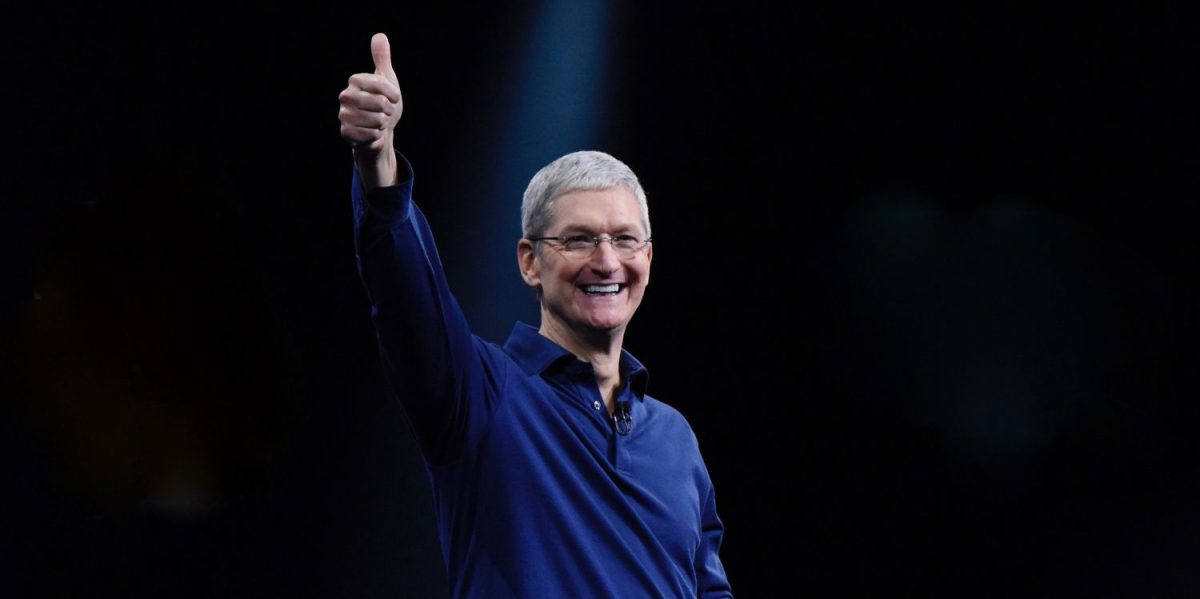
Apple is gearing up to face some financial hits in the coming quarter and plans to absorb these costs rather than passing them to consumers. During a recent earnings call, CEO Tim Cook addressed concerns over the tariffs imposed by the Trump administration and how these could influence the company’s pricing strategies for various products. While the government has temporarily halted reciprocal taxes, this pause won’t last indefinitely. Apple may need to negotiate terms to adjust the percentages in the future.
For this quarter, Apple will shoulder $900 million in tariff-related costs, choosing not to transfer this burden to consumers. However, Cook hinted that price increases might be unavoidable down the line. “We’re very engaged in the tariff discussions,” Cook mentioned, indicating ongoing efforts to navigate these challenges.
He emphasized the company’s commitment to engagement and optimizing supply chains, adding, “The operational team has done an incredible job around optimizing the supply chain of the inventory, and we’ll obviously continue to do those things to the degree that we can.”
In preparation for potential challenges, Apple is shifting some production away from China, considering India and Vietnam as alternative manufacturing sites for iPhones and other devices. Although these countries still face U.S. import tariffs, the rates are lower than those for China, offering a more cost-effective option.
Any tariff exemptions Apple or similar companies might receive will likely be temporary, potentially leading to a new cost norm for tech products. The U.S. government is urging manufacturers to establish operations domestically, a move that could expedite company relocations due to higher taxes.
Currently, Apple is expected to maintain the price of existing iPhone models, but future releases, like the iPhone 17, might come with higher prices and increased production costs. Stay tuned for more updates on Apple’s strategies and developments as they navigate these economic challenges.


