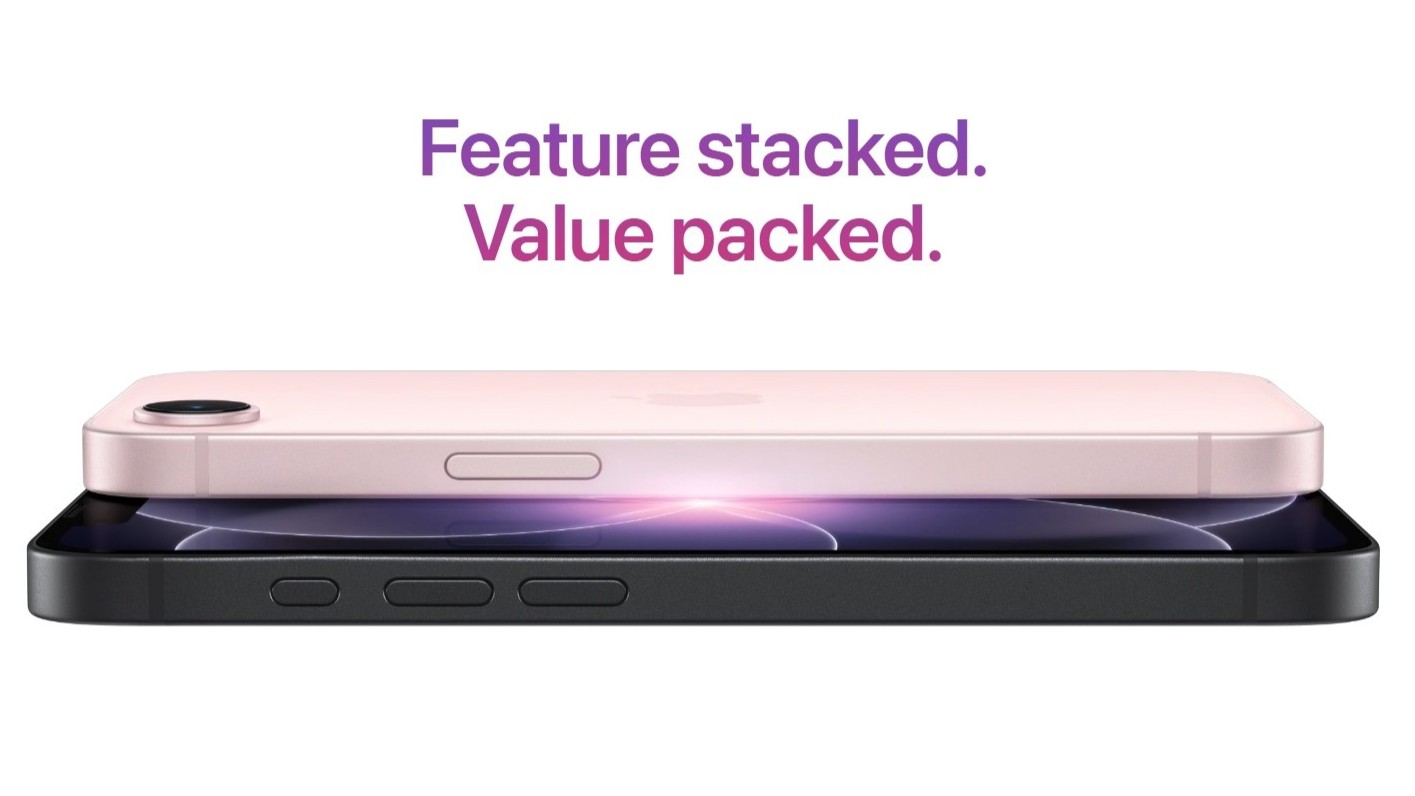
Apple’s cheapest iPhone may still miss the upgrade buyers want most
Apple has spent years positioning its lower-cost iPhones as smart “value” choices, but the latest rumors suggest the company may continue holding back one of the most requested upgrades: a faster display.
The iPhone 17e, Apple’s current entry-level model, starts at $599 when bought directly from Apple. While that price makes it the most affordable way into the modern iPhone lineup, it also comes with some noticeable compromises compared with the standard iPhone 17, which costs around $200 more. Buyers miss out on features such as an ultra-wide camera, Ultra Wideband support, Wi-Fi 7, and most importantly for many users, a high-refresh-rate display.
The biggest complaint is the 60 Hz screen. In 2026, that feels increasingly outdated, especially when even many budget Android phones offer 120 Hz OLED panels. Brands in the Redmi range and other affordable Android lineups have made smoother scrolling and more responsive animations common at much lower prices. Apple’s displays are often praised for color accuracy, brightness, and overall quality, but the lack of a higher refresh rate on its cheapest iPhone remains hard to ignore.
Now, fresh information from a well-known Weibo tipster suggests the upcoming iPhone 18e may also stick with a 60 Hz display when it arrives in 2027. If accurate, this means Apple’s most affordable iPhone could remain behind the curve for at least another generation.
According to the leak, the iPhone 18e is expected to feature a 6.1-inch LTPS display with a 1.5K resolution. That would keep it separate from Apple’s more expensive models, which are expected to continue using more advanced LTPO OLED panels with 120 Hz refresh rates. The regular iPhone 18 is rumored to come with a slightly larger 6.3-inch 1.5K 120 Hz LTPO OLED display, while the iPhone Air 2 may feature a 6.55-inch 1.5K 120 Hz LTPO OLED screen.
The key difference is not just the refresh rate. Apple’s ProMotion technology is usually tied to LTPO panels, allowing the screen to dynamically adjust refresh rates depending on what is being displayed. This helps balance smooth performance with battery efficiency. Cheaper LTPS panels can still support higher refresh rates in some devices, but they typically lack the same level of power-saving flexibility.
Still, for everyday users, the most obvious difference is simple: 120 Hz feels smoother than 60 Hz. Scrolling through apps, browsing websites, switching between menus, and playing supported games all look and feel more fluid on a faster display. Once users get used to 120 Hz, going back to 60 Hz can make a phone feel less modern, even if the processor and software remain strong.
If Apple keeps the iPhone 18e at 60 Hz, it will likely be a strategic decision rather than a technical limitation. The company has long used display technology as one way to separate its standard, budget, and premium models. By reserving ProMotion for more expensive iPhones, Apple gives buyers a clear reason to upgrade.
Previous rumors have suggested that Apple’s affordable “e” series may not receive a modern ProMotion display until the iPhone 19e, which would likely launch in 2028. If that timeline proves correct, budget-conscious iPhone buyers may have to wait several more years before Apple brings 120 Hz to its cheapest model.
For now, the rumored iPhone 18e still sounds like it will offer the core iPhone experience: iOS, Apple’s ecosystem, long software support, and reliable performance. But in a smartphone market where display quality is one of the first things buyers notice, the continued use of a 60 Hz panel could make the device feel less competitive, especially against lower-priced Android alternatives.
The same leak also mentions that development of future premium models, including the iPhone Ultra 2 and iPhone 19 Pro, is reportedly progressing as expected for a potential fall 2027 launch. That suggests Apple’s broader roadmap remains on track, with major display upgrades still reserved for higher-end devices.
In short, the iPhone 18e may remain Apple’s most affordable new iPhone, but it might not deliver the display upgrade many users are waiting for. If the rumors are accurate, anyone hoping for a budget iPhone with a 120 Hz screen may need to keep waiting.