Apple’s WWDC 2026 Signals a New Era Where AI Takes Center Stage
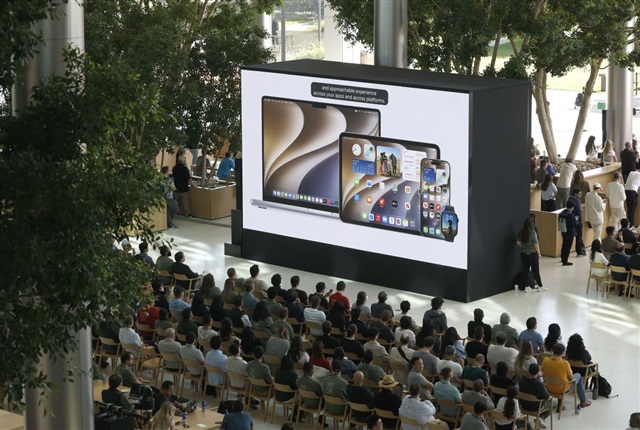
Apple’s WWDC 2026 keynote made one thing clear: the company’s future is no longer being presented primarily through the lens of iOS, macOS, iPadOS, or watchOS. Instead, Apple Intelligence, Siri, and Safari appeared to be the true stars of the show, signaling a major shift in how Apple wants users and developers to think about its ecosystem.
For years, WWDC has been the place where Apple introduced sweeping operating system updates, redesigned interfaces, and major app changes. The operating systems were the foundation of the event, and everything else was built around them. In 2026, that formula felt noticeably different. The software platforms were still present, but they no longer seemed to be the main attraction.
The spotlight has moved to Apple Intelligence.
Apple Intelligence becomes the new platform
Apple Intelligence is increasingly being positioned as more than just a collection of AI features. It now feels like the layer Apple wants to place across every device, app, and service. Rather than selling users on individual operating system improvements, Apple appears focused on showing how intelligence can make the entire ecosystem feel more personal, helpful, and connected.
This is a significant change in Apple’s platform strategy. The company is no longer simply asking users to upgrade because a new version of iOS or macOS includes better widgets, redesigned menus, or improved multitasking. Instead, Apple is building the narrative around what its AI can do across the whole product lineup.
That shift matters because artificial intelligence is becoming the new battleground for consumer technology. Phones, tablets, laptops, browsers, and voice assistants are all being reshaped by AI, and Apple clearly wants its own approach to stand apart through privacy, integration, and ease of use.
Siri’s role looks bigger than ever
Siri also appears to be entering a more important chapter. For a long time, Apple’s voice assistant has been criticized for lagging behind rivals in flexibility and usefulness. WWDC 2026 suggested that Apple wants to change that perception by making Siri a more central part of the user experience.
Instead of acting like a simple voice command tool, Siri is being pushed closer to becoming a true personal assistant. The goal appears to be deeper awareness of context, better understanding of user requests, and tighter integration with apps and system functions.
If Apple can deliver on this vision, Siri could become one of the most important ways people interact with their devices. Rather than opening apps, searching through menus, or manually completing tasks, users may increasingly rely on Siri and Apple Intelligence to handle actions across the ecosystem.
Safari gains new importance in Apple’s AI strategy
Safari also received a more prominent role in Apple’s WWDC 2026 message. That is an important detail because the browser is no longer just a window to the web. In an AI-focused future, the browser can become a smart research tool, reading assistant, shopping companion, and productivity hub.
By placing more emphasis on Safari, Apple may be preparing for a web experience where AI helps users summarize information, understand content faster, protect privacy, and navigate online tasks more efficiently.
This could make Safari a key part of Apple’s broader AI ecosystem. If Apple Intelligence becomes deeply connected to browsing, search, reading, and online workflows, Safari could become one of the most powerful tools in the company’s software lineup.
The operating system is becoming less visible
Perhaps the most interesting takeaway from WWDC 2026 is that the operating system itself seemed less central than in previous years. That does not mean iOS, macOS, iPadOS, and other Apple platforms are becoming unimportant. They remain essential. But they may increasingly act as the foundation beneath a more intelligent experience rather than the main story Apple wants to tell.
This is a natural evolution. As devices become more mature, yearly operating system updates often feel incremental. Many users no longer upgrade for one headline feature. Instead, they want their devices to feel smarter, faster, more secure, and more useful in everyday life.
Apple’s answer appears to be AI-driven experiences that work across platforms. The operating system still matters, but the intelligence layer may matter more.
A new direction for developers
This shift also has major implications for developers. In the past, developers watched WWDC closely to see what new APIs, design rules, and platform features would define the next year of app development. Now, they may need to think more seriously about how their apps fit into Apple’s AI-powered ecosystem.
If Apple Intelligence becomes a central interface between users and apps, developers will have to adapt. Apps may need to become more searchable, more context-aware, and more capable of working with intelligent system features. The apps that succeed could be the ones that feel naturally connected to Siri, Safari, and Apple’s AI tools.
This could reshape how apps are built and discovered. Instead of relying only on icons, menus, and traditional navigation, future Apple software experiences may depend more on user intent, voice interaction, and AI-powered actions.
Apple’s privacy message remains important
Apple’s AI strategy will likely continue to lean heavily on privacy. The company has long used privacy as a key selling point, and that positioning becomes even more important as AI tools handle more personal information.
For users, the promise is simple: smarter features without giving up control over sensitive data. If Apple can convince customers that its AI experience is both useful and private, it could gain a strong advantage in a market where many people are still cautious about artificial intelligence.
This privacy-first approach may become one of the biggest differences between Apple Intelligence and competing AI platforms.
WWDC 2026 shows Apple’s next big transition
WWDC 2026 may be remembered as the moment Apple’s software story changed. The keynote suggested that Apple is moving away from an operating-system-first message and toward an intelligence-first future.
Apple Intelligence, Siri, and Safari are no longer side features in the company’s ecosystem. They are becoming central pillars of how Apple presents its products and services. The iPhone, iPad, Mac, Apple Watch, and other devices still matter, but the experience connecting them all may now be the real focus.
For users, this could mean devices that feel more helpful and personal. For developers, it means a new set of opportunities and challenges. For Apple, it marks a major step toward making artificial intelligence the heart of its platform strategy.
The message from WWDC 2026 was clear: Apple’s future is not just about the next version of its operating systems. It is about building a smarter ecosystem where AI becomes the interface, Siri becomes more capable, and Safari becomes a more intelligent gateway to the web.