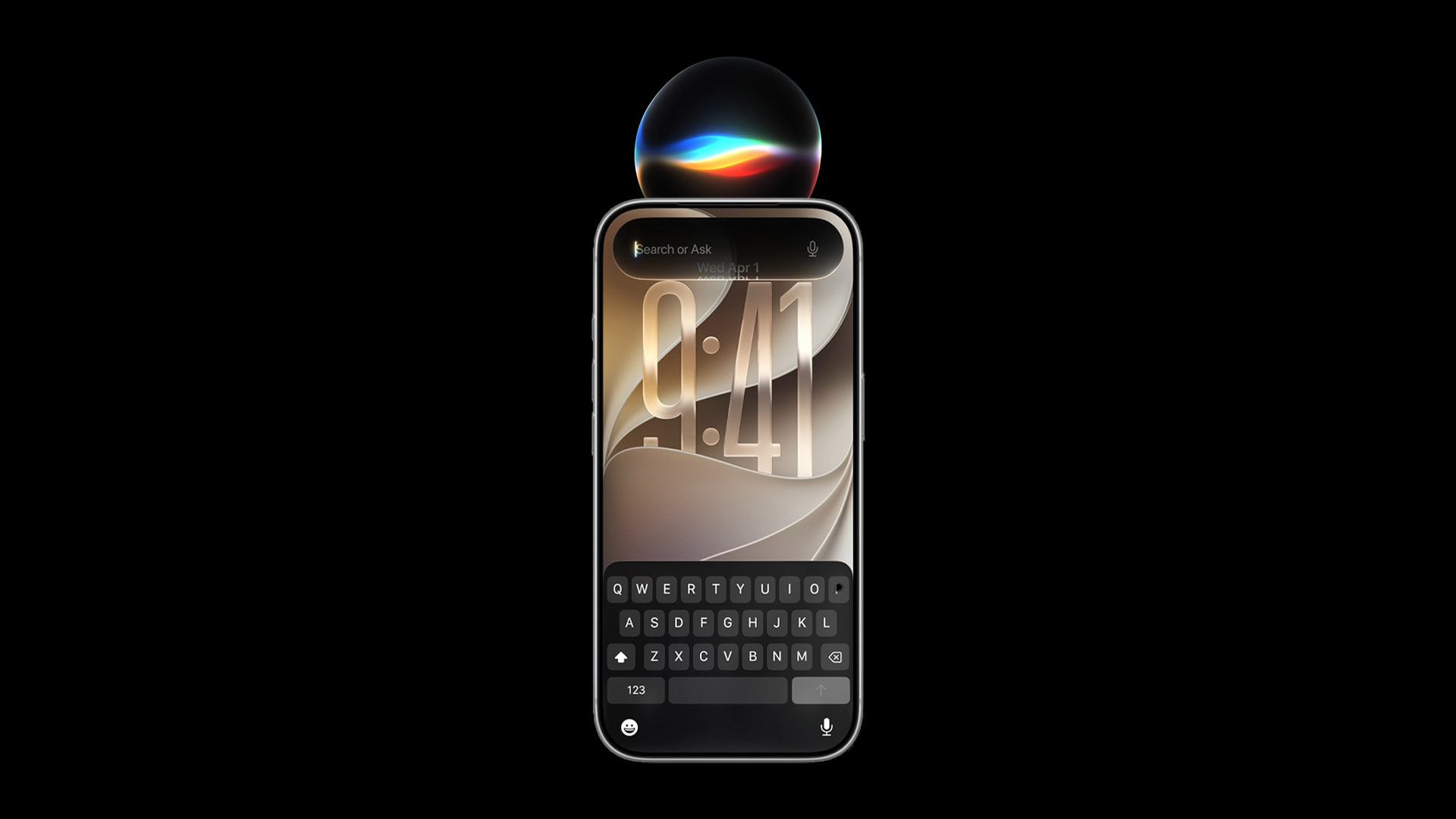
Apple’s iPhone 18 could mark a major turning point for iPhone memory upgrades, with growing AI demands expected to push the company toward a new baseline of 12GB LPDDR5X RAM across the lineup. The shift would be driven largely by the expanding capabilities of Siri AI, as more advanced on-device intelligence requires faster and larger memory capacity to run smoothly.
Industry estimates suggest Apple could ship around 250 million iPhones in 2027, a massive figure that would give the company enormous influence over the global DRAM market. With that level of demand, Apple is expected to secure a significant portion of available mobile memory supply from major manufacturers such as Samsung, SK hynix, and Micron.
That could create a difficult situation for the rest of the smartphone industry. As Apple increases memory requirements for future iPhones, rival brands may face tighter supply and higher component costs. The global memory market is already under pressure due to strong demand from AI servers, data centers, smartphones, and other advanced computing products. If Apple locks in large DRAM orders for the iPhone 18 series, the shortage could become even more intense.
The iPhone 18 is expected to benefit from 12GB of LPDDR5X RAM not only for Siri AI features, but also for overall performance. More memory would help with multitasking, gaming, camera processing, app switching, and future iOS features designed around artificial intelligence. For users, this could make the iPhone feel faster, more capable, and more prepared for long-term software support.
However, the upgrade may come at a cost. Higher DRAM prices could make the iPhone 18 lineup more expensive to produce. If Apple has to pay a premium for memory chips, it may eventually pass some of those costs on to customers through higher iPhone prices. That possibility is becoming more realistic as Apple’s existing memory stockpile is reportedly shrinking, leaving the company with fewer ways to avoid market-driven cost increases.
Still, Apple has one major advantage over many of its competitors: its highly profitable services business. Revenue from services such as subscriptions, cloud storage, app-related purchases, and digital platforms gives Apple a financial cushion that other smartphone makers may not have. This could allow Apple to absorb some of the rising memory costs while continuing to compete aggressively in the premium smartphone market.
For competing phone brands, the situation could be much more challenging. Many manufacturers rely heavily on hardware sales and do not have the same level of recurring service revenue to offset higher component prices. If DRAM costs continue to climb, they may be forced to reduce margins, delay upgrades, or raise prices on their own devices.
Siri AI is also expected to become a major selling point for future iPhones. As Apple continues to improve its AI ecosystem, it will likely use smarter Siri features, on-device processing, privacy-focused AI, and deeper iOS integration as reasons for users to upgrade. A 12GB RAM baseline would help Apple position the iPhone 18 as a more powerful AI-ready smartphone.
The bigger picture is clear: Apple’s push into AI could reshape the mobile memory market. If the iPhone 18 series launches with higher RAM across the board and ships in huge volumes, it could increase pressure on DRAM supply, boost profits for memory makers, and make it harder for rivals to secure the components they need.
For consumers, the result could be a more powerful iPhone with better AI performance, but possibly at a higher price. For the smartphone industry, Apple’s memory demand may become one of the biggest forces influencing supply, pricing, and competition in 2027.