Apple’s latest iPad Pro built on the M5 chip is a raw performance showcase, the kind of silicon flex that blurs the line between tablet and workstation. On paper, it’s astonishing. In practice, the tablet form factor and battery headroom keep that power on a short leash, turning a potential desktop-class machine into an overqualified media slate.
Here’s what makes the M5 iPad Pro so formidable:
– CPU: 4 performance cores up to 4.60 GHz, 6 efficiency cores up to 2.95 GHz, and 16 MB of L2 cache
– GPU: 10-core design with a dedicated neural accelerator in each core for on-chip machine learning
– Neural Engine: 16 cores
– Memory: 16 GB of LPDDR5X unified memory at 4.8 GHz with up to 153 GB/s bandwidth
– Connectivity: C1 modem chip and N1 wireless networking
The benchmarks back up the bravado. Compared to the M4 iPad Pro, the M5 model posts roughly 14% higher single-core and 15% higher multi-core scores in Geekbench 6. It’s so quick that its performance edges uncomfortably close to chips previously associated with workstation-class desktops, like the M1 Ultra.
But here’s the rub: a tablet rarely benefits from that level of sustained horsepower. Yes, you can cut 4K footage on the couch and crunch heavy timelines without breaking a sweat—until the battery does. Under compute-heavy loads such as video editing, users will often see 3 to 4 hours before needing to plug in. Once a cable is involved, the allure of “pro power anywhere” fades, replaced by battery anxiety and a stationary setup that undermines the point of using a tablet in the first place.
That begs the obvious question: if your workflow demands extended, intensive sessions, wouldn’t a MacBook Pro or a desktop be the more practical tool? The M5’s blistering performance is undeniable, but the iPad Pro’s ultra-thin chassis simply doesn’t offer the battery capacity to exploit that power over long stretches.
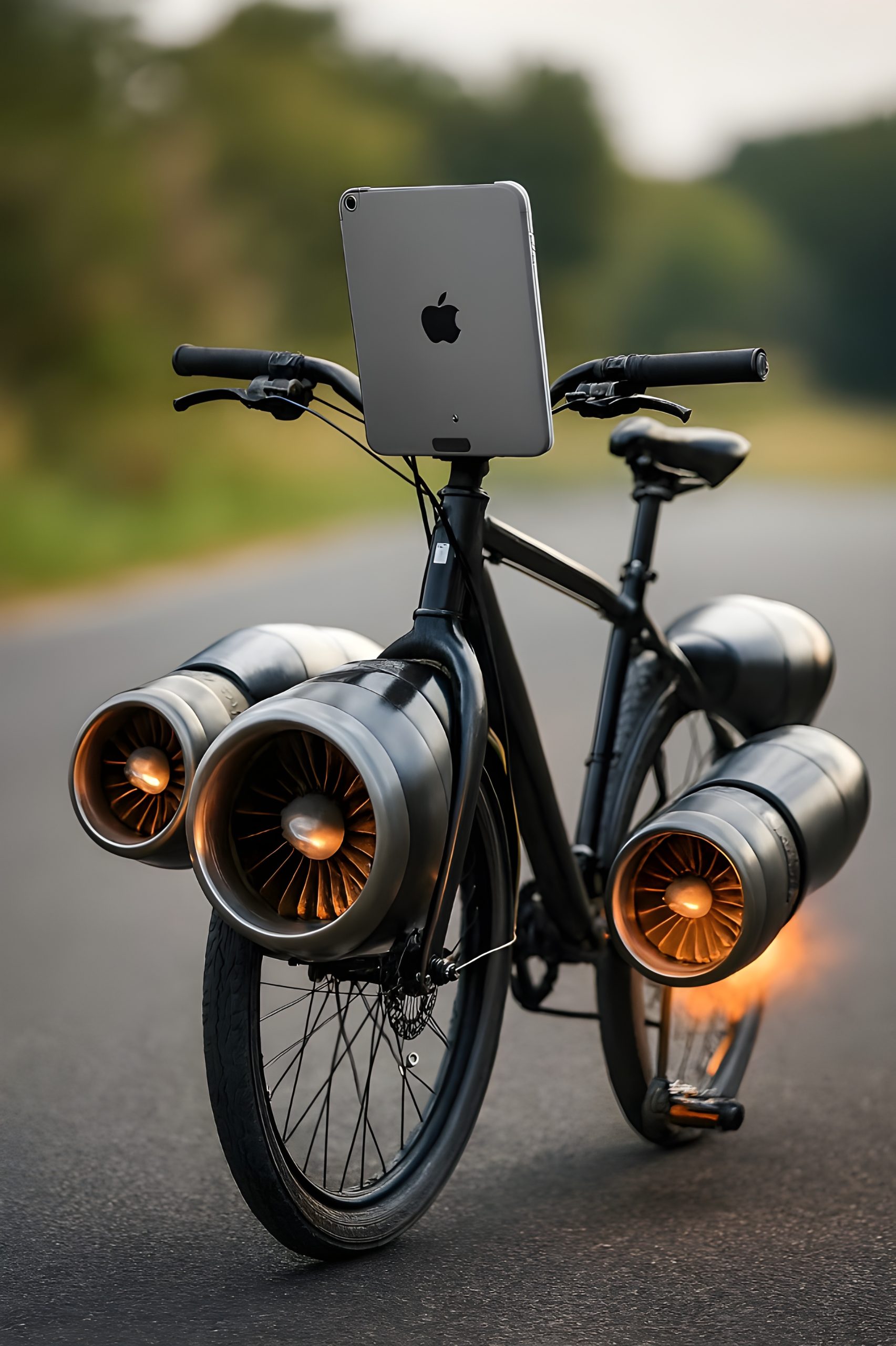
It’s a bit like strapping jet engines to a bicycle. Spectacular engineering, but the platform can’t fully capitalize on it. As a result, the M5 iPad Pro becomes an extraordinary device for media consumption and short creative bursts—yet it struggles to be the all-day, plug-free workstation its silicon suggests it could be.
The takeaway is clear: the M5 iPad Pro proves Apple can deliver stunning speed in a tablet. What it still needs is the stamina to match. Until then, this feels less like a revolution in mobile productivity and more like a brilliant chip waiting for a better outlet.