Apple is finally opening up the iPhone’s notification system to third-party smartwatches, a move that could meaningfully improve the day-to-day experience for anyone who doesn’t use an Apple Watch. For years, iOS offered limited interaction for outside wearables, but new changes driven by Europe’s Digital Markets Act are set to expand what other smartwatch brands can do with iPhone notifications and live activities.
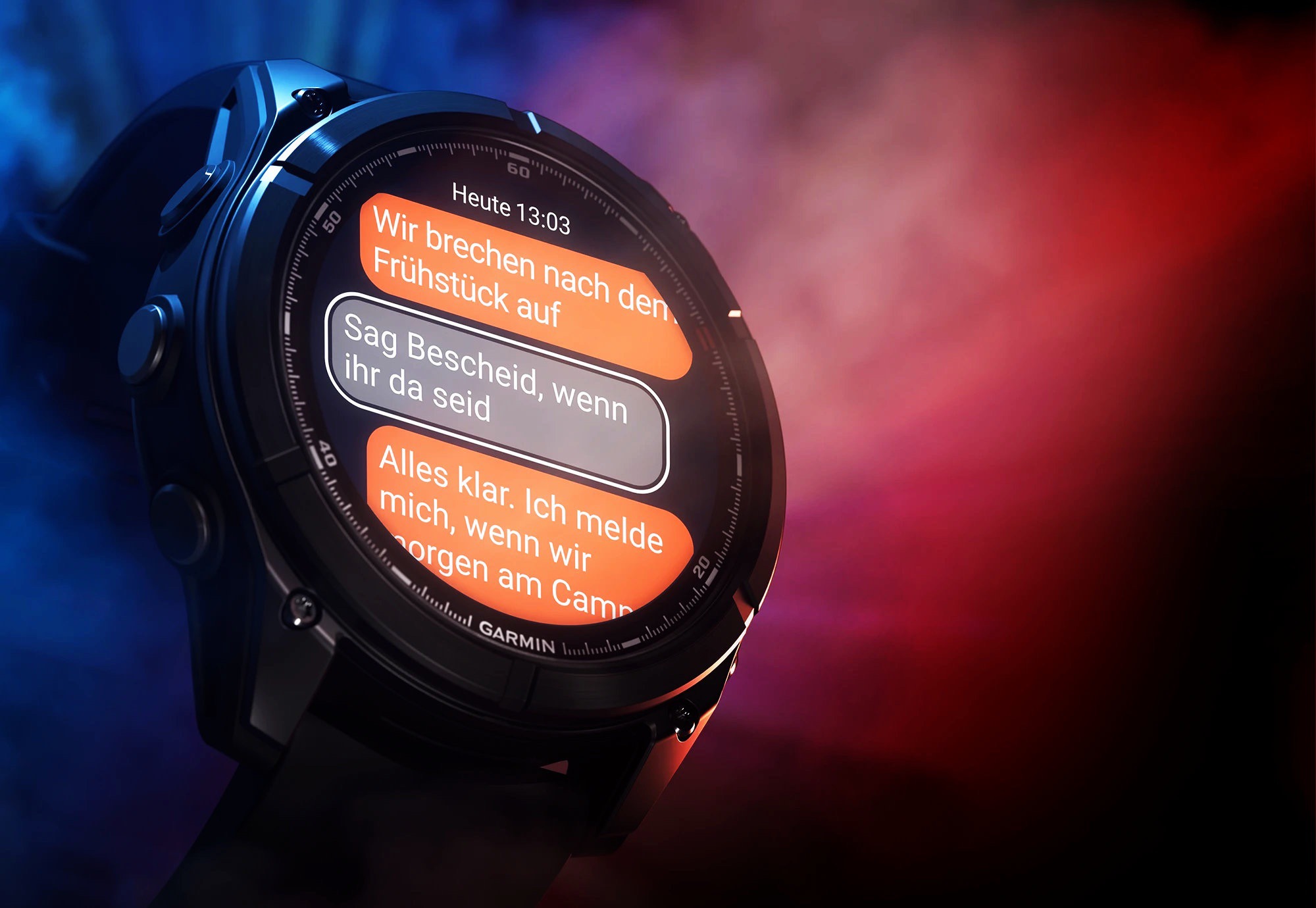
The shift has been building for a while. Recent iOS updates have started laying the groundwork, and the expectation is that “Notification Forwarding” will become fully available with iOS 26.5 after earlier versions introduced key foundations. Once this rolls out, compatible smartwatches should be able to do more than simply mirror basic alerts. The goal is richer, more interactive notifications—potentially including images and videos—plus the ability to respond to incoming messages directly from the wrist.
However, Apple isn’t handing over access without conditions. To gain full access to iPhone push notifications, smartwatch makers will have to agree to a new developer license with strict rules designed to protect privacy and limit data misuse.
According to the new requirements, data pulled from iPhone notifications can’t be used for advertising, can’t be used to train AI models, and can’t be used to monitor a user’s location. Apple also restricts where that information can go: transferring notification contents to other devices or apps isn’t allowed under these terms. In other words, the information is meant to be displayed to the user on their smartwatch—not repurposed, redistributed, or turned into a data stream for profiling.
Apple is also drawing a hard line on how notifications are presented. The content itself can’t be altered, with the exception of layout changes needed to display information correctly on different screen sizes and shapes. And when it comes to storage and security, Apple’s rules say notification data can’t be stored on servers and must only be decrypted on the end device, reducing the risk of cloud-based collection or long-term retention.
If Notification Forwarding works as intended, the benefits for consumers could be substantial. Owners of popular non-Apple wearables—such as high-end Garmin models, Huawei’s Watch GT line, or even returning favorites like Pebble—could finally enjoy an iPhone-smartwatch experience that feels far less restricted. That means richer notifications and more convenient messaging without needing to switch to an Apple Watch.
For iPhone users who value choice in the smartwatch market, this could be one of the most important iOS compatibility upgrades in years: better third-party smartwatch support, but with tight privacy-focused controls that Apple believes will keep user data protected.


