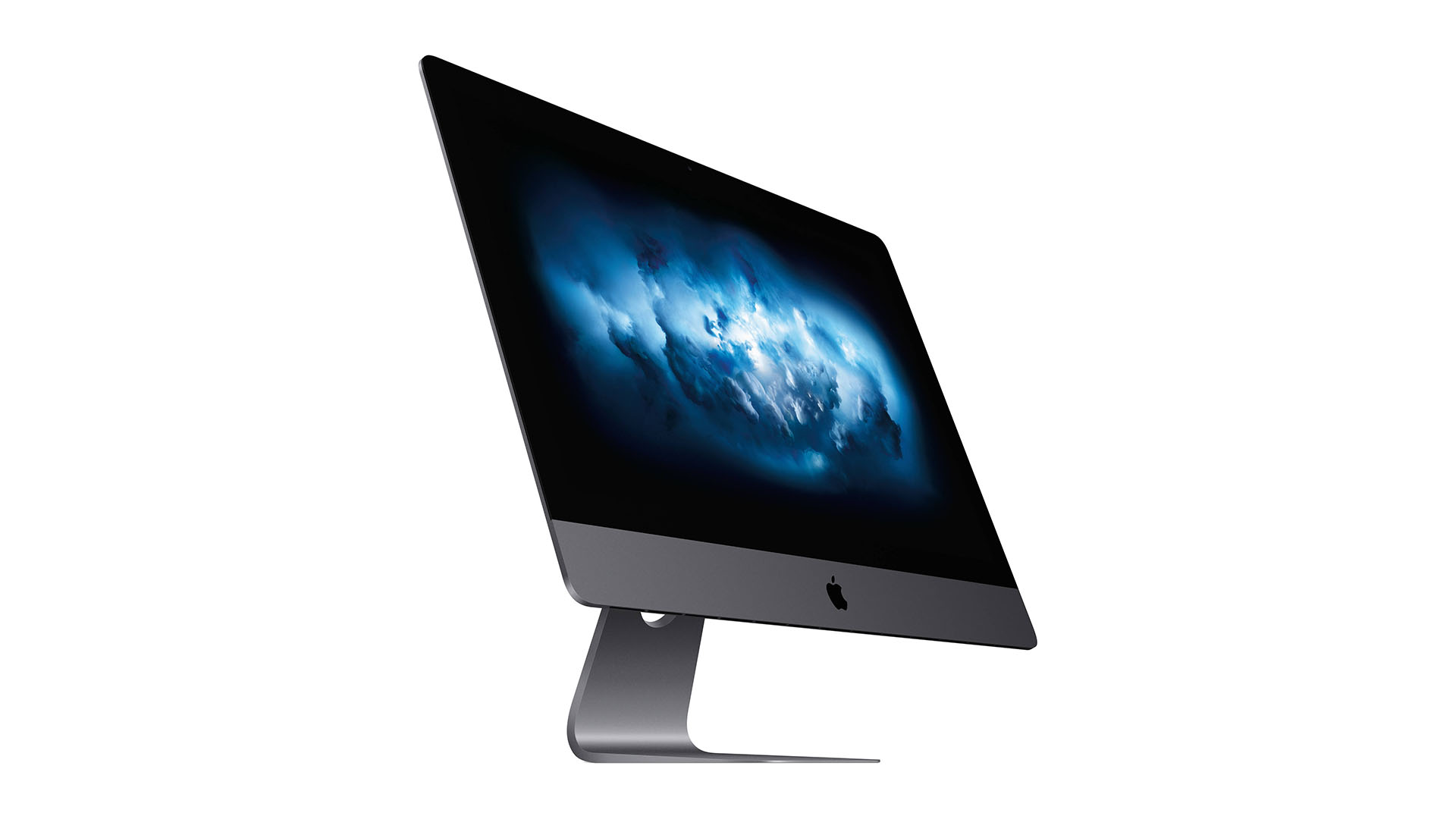
The iMac Pro celebrated its seventh anniversary last December, marking a significant gap since its last refresh. With Apple having launched its transition to Apple Silicon in 2020, many consumers anticipated a revamp for this all-in-one powerhouse. However, it seems Apple has other plans. Recent reports suggest that Apple is eyeing the introduction of a larger iMac that would serve a similar purpose to the iMac Pro but at a more budget-friendly price point.
This new, larger iMac is expected to not only feature more robust hardware than the aging iMac Pro but also come with a decidedly smaller price tag. Bloomberg’s Mark Gurman hinted at this development in his ‘Power On’ newsletter, suggesting that Apple may introduce this larger screen iMac as a replacement for the iMac Pro.
While the idea of revamping the iMac Pro might appeal to some, it makes more financial sense for Apple to pursue alternatives. The iMac Pro originally launched with a hefty starting price of $4,999. In contrast, today’s M4 iMac, boasting a 10-core CPU and GPU, with 16GB of unified RAM and a 512GB SSD, is available for just $1,549.99 on Amazon with a discount. This modern model is not only more affordable but would also outperform the iMac Pro, making it a more attractive option for consumers.
Should Apple decide to cater to consumers with heightened performance needs by releasing a new iMac Pro equipped with M-series silicon, the device would likely need the prowess of an M4 Max or M4 Ultra chip to truly stand out from the rest of the lineup. Presently, the M4 Max is being utilized in the latest 14-inch and 16-inch MacBook Pro models and is expected to feature in the upcoming Mac Studio update with an option for an M4 Ultra configuration.
It seems Apple’s current strategy is focused on appealing to a broader market, offering products with more accessible price points rather than targeting just the high-end segment. This move could also explain why Apple doesn’t currently prioritize developing a successor to the Pro Display XDR, aiming instead to capture a wider audience with its product offerings.