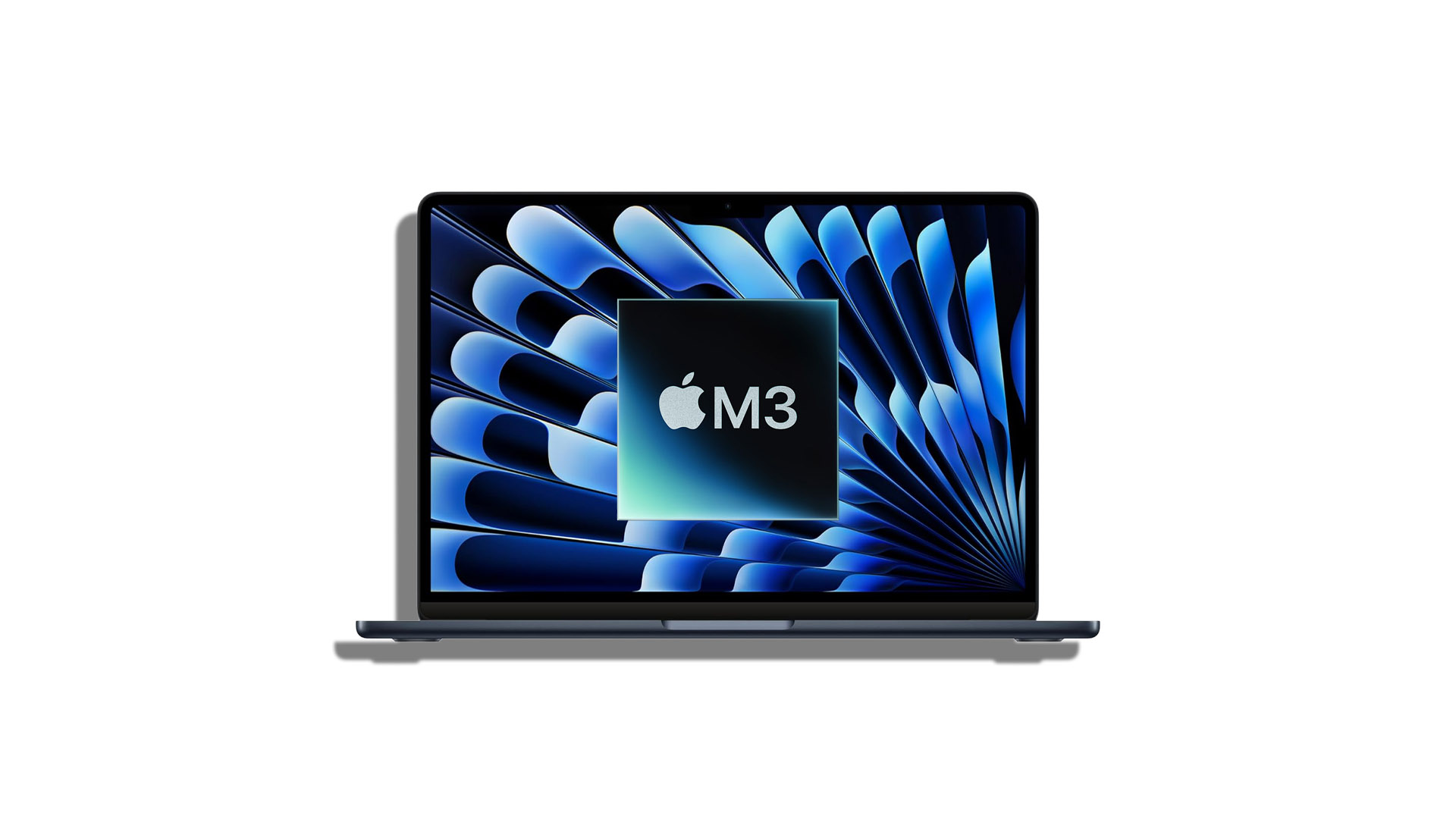
Qualcomm recently made waves by touting the Snapdragon X Elite’s impressive performance, claiming it outpaces Apple’s M3 by up to 21 percent. However, Apple has fired back with some bold counterclaims of its own, asserting that its 15-inch M3 MacBook Air is actually up to 40 percent faster than PCs equipped with the Snapdragon X Elite, such as Microsoft’s Surface Laptop 7. As we delve deeper into these claims, we find intriguing insights into the performance metrics where Apple’s offerings truly shine.
Interestingly, Apple strategically avoided mentioning the M4 chip in its new promotional content – a chip that surpasses the Snapdragon X Elite by a significant margin. Currently, the M4 is exclusive to the latest iPad Pro models, but there’s speculation about an M4 MacBook Pro series launching later this year. In the meantime, Apple seems keen to spotlight the impressive capabilities of its 15-inch M3 MacBook Air.
Tech enthusiast Aaron, known online as @aaronp613, uncovered Apple’s fresh marketing material, which later gained extensive attention. According to the details, a Speedometer 3.0 performance test on Safari 17.5 running macOS Sonoma was conducted on the M3 MacBook Air, which featured an 8-core CPU and a 10-core GPU. This test showcased a notable 40 percent performance lead over the Snapdragon X Elite. Additionally, in web browsing tests using Chrome on Windows 11, Apple claims its SoC outpaces Qualcomm’s chip by 25 percent.
However, it’s important to note that one test alone isn’t sufficient to declare an undisputed winner. There are more layers to consider. For example, certain high-binned variants of Qualcomm’s chip can reach power consumption levels of up to 100W, whereas the M3 Pro, although more powerful than the standard M3, tops out at 42W. Moreover, the Snapdragon X Plus, a less powerful sibling of the X Elite, suffers from significant battery drain issues, with even the M2 MacBook Air offering better longevity.
Despite these nuances, Snapdragon X Elite-powered devices remain formidable contenders in the market. They offer robust performance, though they might fall short on battery life compared to Apple’s machines. For users prioritizing battery life and strong overall performance, Apple’s devices offer a compelling choice. Notably, the 13-inch M3 MacBook Air bundled with 16GB of unified RAM and a 512GB SSD stands as a stellar deal at $1,299, especially for those who don’t mind using macOS instead of Windows.
In summary, while the Snapdragon X Elite brings impressive firepower to the table, Apple’s latest M3 chip showcases remarkable efficiency and performance, making it a formidable choice for those in the market for a new laptop. Whether you’re a die-hard Apple fan or a Windows enthusiast, understanding these performance dynamics can help you make a well-informed decision.


