Apple’s Potential AI Agent Could Be the Next Big Reason to Buy an iPhone, iPad, or Mac
AI agents are quickly becoming one of the biggest trends in consumer technology. Instead of simply answering questions, these tools can take action on a user’s behalf, automate repetitive tasks, manage software, write code, organize files, and potentially handle everyday workflows with minimal supervision.
That growing excitement has created a rush among users who want devices powerful enough to run advanced AI tools locally. For Apple, this could open the door to one of its most important software opportunities in years: a deeply integrated AI agent designed for iPhone, iPad, and Mac.
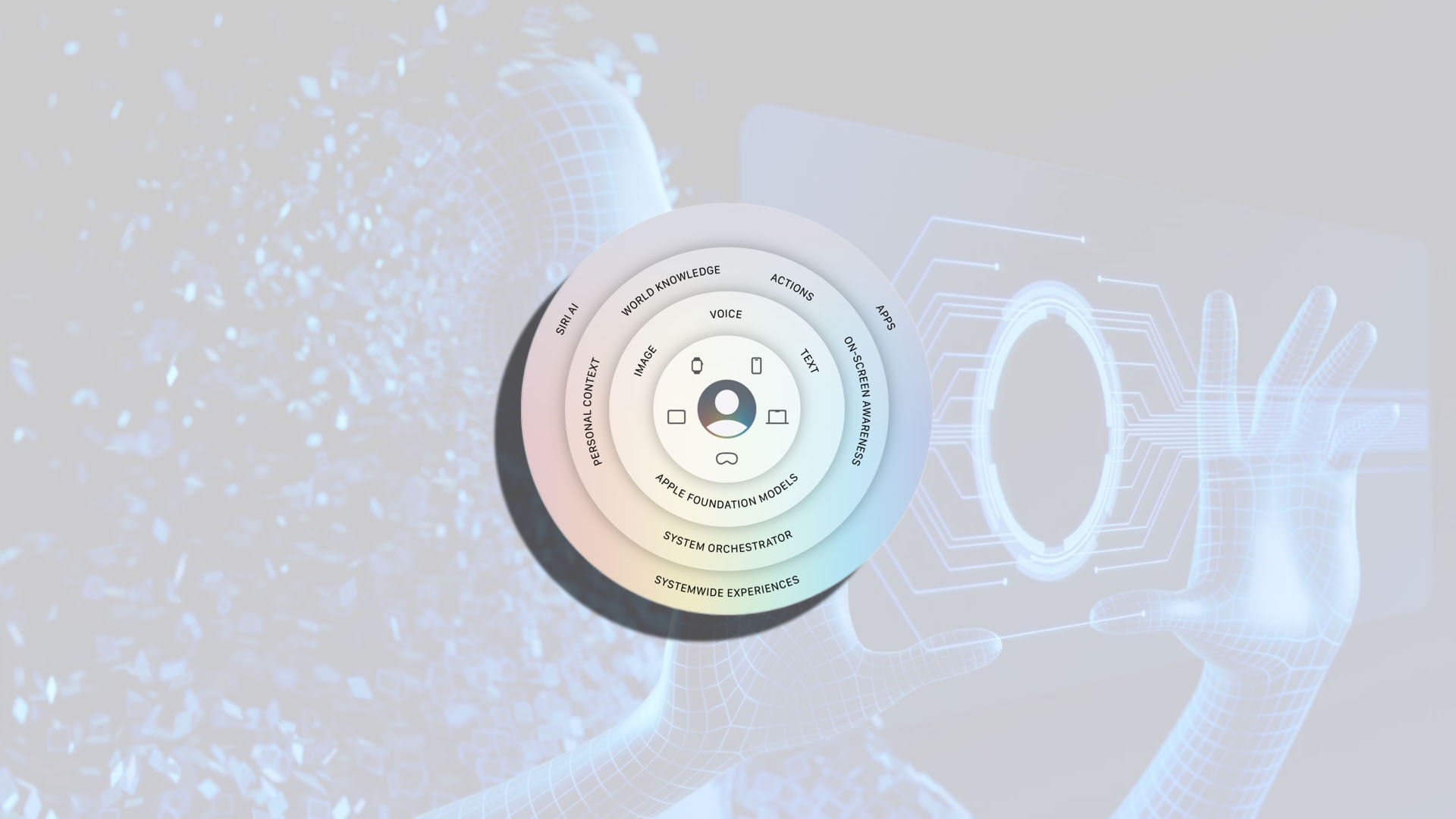
Apple already has a major advantage in this area thanks to its unified memory architecture, tightly controlled hardware ecosystem, and expanding focus on artificial intelligence. If the company eventually builds its own AI agent, it could become a major selling point alongside the next generation of Siri and Apple Intelligence.
A future Apple AI agent could work across iOS, iPadOS, and macOS, helping users complete tasks automatically across apps and devices. Imagine asking your Mac to organize project files, your iPhone to prepare travel plans, or your iPad to complete a multi-step workflow between apps without needing constant manual input. That is the kind of experience Apple may eventually try to deliver.
Bloomberg’s Mark Gurman has suggested that Apple could move in this direction over the long term, potentially creating a competitor to tools such as OpenClaw, Codex, and Cursor. The idea would be to build a system capable of operating Apple software on behalf of the user across iPhones, iPads, and Macs.
One of the most interesting possibilities is how Apple might package such a service. Many current AI agents limit usage based on the number of requests a user makes, often requiring a paid subscription for higher limits. Apple, however, could take a different approach by including its AI agent inside an existing subscription bundle such as Apple One.
That would give Apple a powerful marketing angle. Instead of asking users to pay for yet another standalone AI subscription, the company could promote an integrated assistant that works across Apple devices as part of its broader services ecosystem. If handled correctly, this could make Apple’s AI agent feel less like an extra app and more like a built-in feature of the Apple experience.
However, the biggest challenge may not be building data centers, designing more powerful chips, or increasing unified memory. The real obstacle is security.
AI agents require a high level of system access to be truly useful. On computers, many agent-style tools need permission before modifying files, changing settings, or interacting with sensitive parts of the operating system. Users can sometimes grant broader access, but doing so introduces serious risks, including accidental data loss, privacy exposure, or credential theft.
This creates a difficult balance for Apple. The company has built much of its reputation around privacy, security, and user control. If Apple makes its AI agent too restricted, it may not be powerful enough to compete with more flexible alternatives. But if Apple gives the agent too much freedom and something goes wrong, the fallout could be severe.
A rogue or poorly controlled AI agent mishandling private photos, work documents, passwords, financial data, or personal messages would be a major problem for any company. For Apple, which markets itself as a privacy-first technology brand, it could become a public relations disaster.
That is why Apple’s approach would likely be more controlled than some competing AI agent platforms. The company may choose to limit what its agent can do at first, gradually expanding capabilities as it develops stronger safety systems, permission controls, and on-device processing.
Apple has often been late to major technology trends, but it usually focuses on refinement rather than rushing unfinished products to market. The same strategy could apply here. Instead of launching the most aggressive AI agent possible, Apple may prioritize reliability, privacy, and seamless integration with its ecosystem.
If Apple succeeds, its AI agent could become one of the most important features in future versions of iOS, iPadOS, and macOS. It could transform Siri from a voice assistant into a true productivity partner, capable of completing complex actions across apps and devices.
The opportunity is massive. A secure, deeply integrated Apple AI agent could help users save time, automate routine tasks, and get more value from their devices. It could also strengthen Apple’s services business and give customers another reason to stay within the Apple ecosystem.
For now, there is no confirmed launch plan. But the direction is clear: AI agents are becoming a major part of the future of personal computing, and Apple is unlikely to ignore that shift. The real question is not whether Apple can build one, but how much freedom it will be willing to give it.