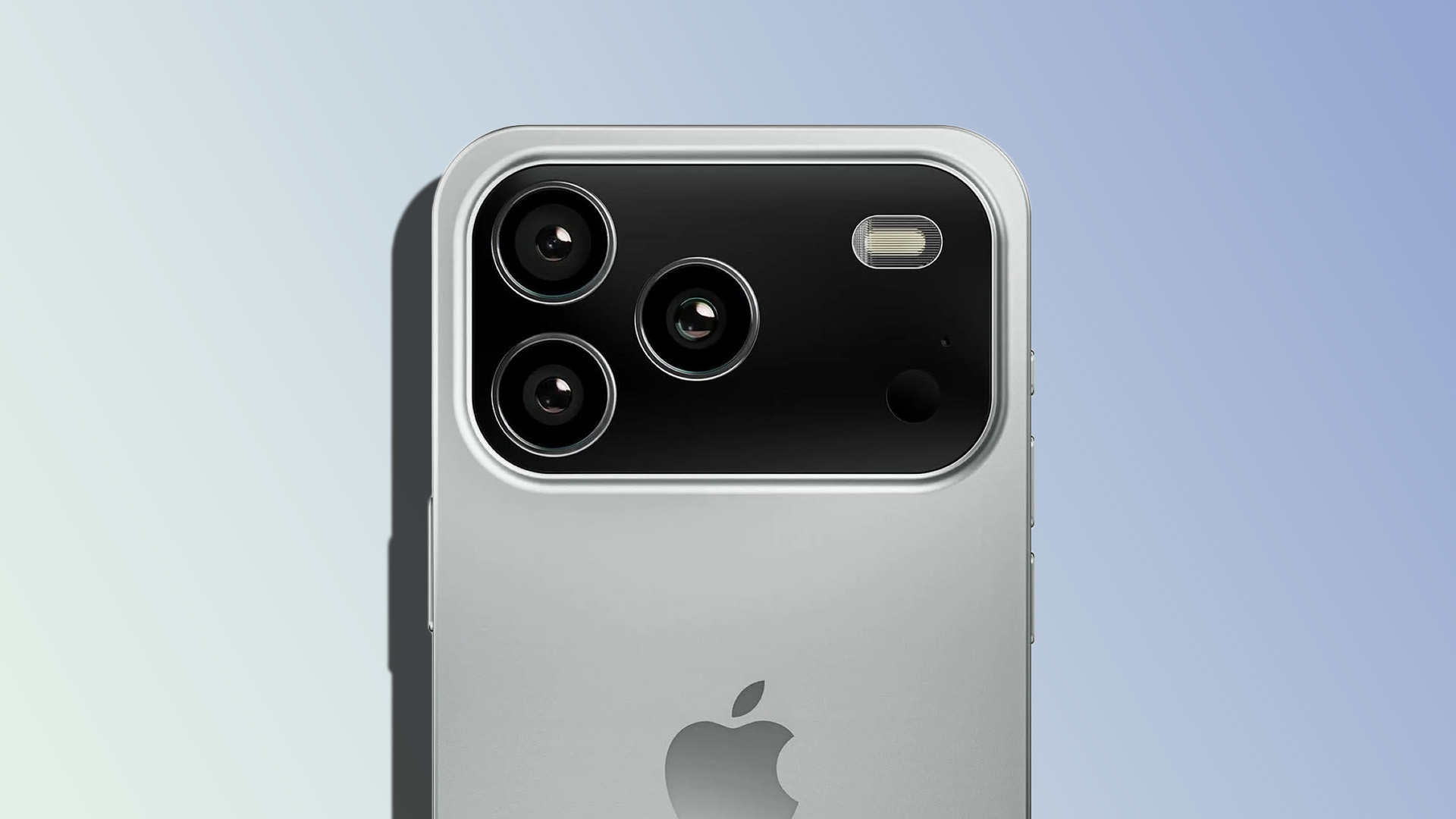
When pricing pressure gets intense enough that the numbers no longer add up, even the most disciplined companies have to reconsider their stance. That’s the backdrop for a new call from Morgan Stanley, which argues Apple is unlikely to keep iPhone pricing unchanged much longer as memory costs climb and supply-chain dynamics shift.
According to Morgan Stanley, Apple won’t be able to sell the upcoming iPhone 18 lineup at the same prices as comparable iPhone 17 models. The bank’s view is that Apple’s recent “hold-the-line” pricing approach is running into a hard reality: the cost of memory is rising meaningfully, and that squeeze is becoming too large to absorb indefinitely.
Apple’s price-freeze playbook has been increasingly visible over the past year, particularly in the Mac lineup. While competitors have pushed through noticeable price increases on comparable devices, Apple has largely resisted across key configurations—sometimes choosing product reshuffles rather than direct price hikes. One recent example: instead of raising the price of the M4 Mac mini at the entry point, Apple discontinued the base 256GB storage option, effectively steering shoppers to higher-capacity (and higher-priced) configurations without officially “increasing” the sticker price.
That strategy helped Apple preserve a perception of value in a market where many consumers are already feeling hardware fatigue and inflation pressure. Side-by-side comparisons have made the gap even more obvious, with some rival devices jumping sharply from earlier pricing while Apple’s starting points have stayed closer to prior generations. The result has been an entrenched advantage for Apple in certain segments, reinforcing the idea that the company’s scale and supply-chain control can shield customers from the worst of component inflation.
But the pressure is building. On its latest earnings call, Apple acknowledged it expects a substantial increase in memory costs in the June quarter. Importantly, the company also said it would use multiple strategies to manage the impact on margins—language that strongly implies pricing actions could be part of the response, especially if cost increases persist.
That’s where Morgan Stanley analyst Erik Woodring’s forecast comes in. He expects Apple to raise prices by at least $100 across the entire iPhone 18 range, assuming like-for-like configurations, when the phones launch in the second half of this year. In other words, the prediction isn’t about comparing a higher-storage iPhone 18 to a lower-storage iPhone 17; it’s about the same tier and storage level costing more.
Even if Apple does raise prices, it may not erase the company’s competitive positioning. Rival phone makers are also grappling with higher bills of materials, with reports suggesting some ultra-premium flagship devices are becoming extremely expensive to build. At the same time, consumers have been conditioned to accept incremental price creep in the premium smartphone category, including from major brands that have raised prices over multiple generations without delivering upgrades that feel proportional to the added cost.
Still, the symbolism matters. Apple has increasingly been seen as the company capable of holding pricing steady through sheer purchasing power and supply discipline—especially with memory and storage components. If iPhone 18 pricing does move up by around $100, it signals that memory-led cost inflation is no longer a headwind Apple can neatly sidestep.
For shoppers planning an upgrade, the takeaway is simple: if you’re expecting iPhone 18 prices to mirror iPhone 17 at the same storage and model tier, you may want to recalibrate. And for the broader smartphone market, it’s another sign that component costs—especially memory—are reshaping what “flagship pricing” looks like heading into the next cycle.


