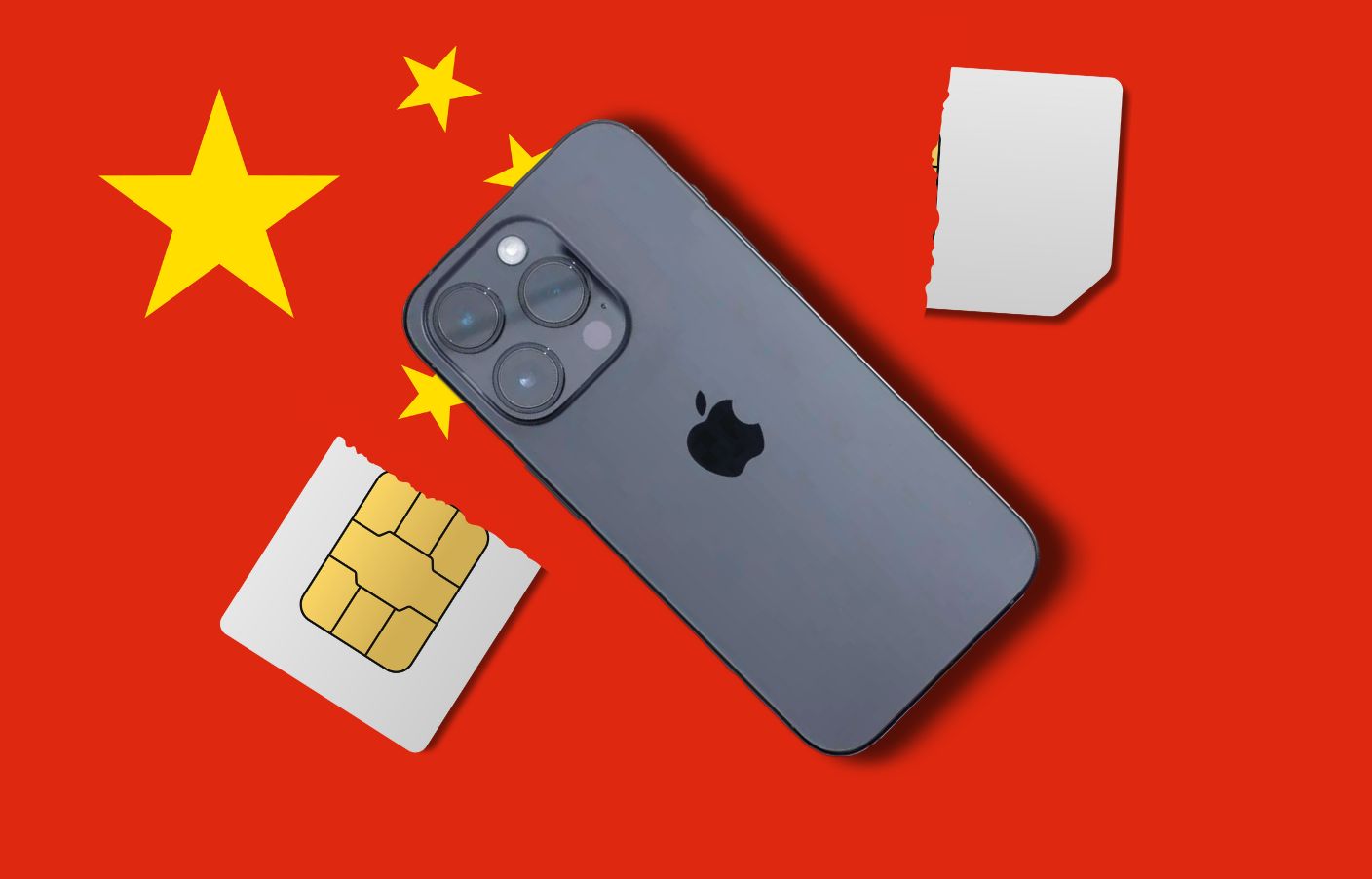
As Apple prepares to unveil its highly anticipated iPhone 17 Air, it seems clear that the tech giant is doubling down on its commitment to eSIM technology, signaling a potential farewell to the traditional SIM card slot. While this shift to eSIM is expected to usher in a wave of technological convenience and security, it might pose challenges in regions where the tech is not yet widely supported, notably in China.
Apple has long touted the advantages of eSIM, emphasizing benefits such as improved security, the elimination of physical SIM cards, and more seamless international roaming. Despite these advantages, eSIM has not achieved universal adoption, presenting potential market hurdles for Apple.
The move to an eSIM-only iPhone is not unprecedented; U.S. consumers have already transitioned to an iPhone model that forgoes the SIM card tray. However, in many regions outside the U.S., iPhones still include the traditional SIM slots because eSIM infrastructure isn’t fully developed.
One of the most intriguing design features of the upcoming iPhone 17 Air is its rumored ultra-slim profile, measuring a mere 5mm in thickness. This sleek design is an engineering marvel but leaves no room for a physical SIM slot, making eSIM the definitive choice for connectivity in these new devices.
The potential impact of this change is particularly significant in China, a crucial market for Apple, accounting for nearly 20% of global iPhone sales. However, the adoption of eSIM in China remains uncertain. Given the complex dynamics between Apple and the Chinese market, including occasional regulatory tensions, the absence of a SIM slot could either accelerate innovation or face significant resistance.
There’s no doubt that Apple’s bold leap into an eSIM-exclusive future is a calculated risk, banking on the widespread adoption of this technology across all major markets. If successful, this strategy could set a new standard for mobile devices worldwide, but only time will tell if China will embrace this transition alongside Apple’s other global markets.