In an exciting move, Apple is reportedly developing a trio of custom 5G modems destined for its iPhone and iPad lineup over the next few years. This ambitious leap into modem technology could set Apple apart from competitors. However, Apple’s aspirations extend beyond just mobile devices. The tech giant is also exploring the idea of bringing cellular connectivity to its Mac computers for the very first time.
Renowned tech journalist Mark Gurman has highlighted Apple’s commitment to challenge Qualcomm with its new 5G modem technology. Apple envisions these custom chips not only enhancing iPads and iPhones but potentially transforming the Mac experience with built-in cellular connectivity. While this may sound futuristic, the concept of a cellular-connected Mac is gaining traction, although it may not be available to consumers until possibly 2026.
Apple’s strategy to transition from Qualcomm modems involves producing three distinct custom variants. The first, slated for release next year, is an entry-level 5G modem. It promises benefits like low power consumption and satellite connectivity, making it ideal for budget models like the iPhone SE 4 and entry-level iPads. Yet, this model won’t be breaking speed records, with a top potential speed of 4 Gbps.
The next iteration in 2026 is expected to match the performance levels of Qualcomm’s offerings, debuting with the iPhone 18 Pro models. By 2027, Apple aims to outdo Qualcomm with a modem focused on superior performance and energy efficiency. Should Apple decide to integrate these into the Mac lineup, the timeline around 2026 makes sense, aligning with the launch of more advanced modem technology.
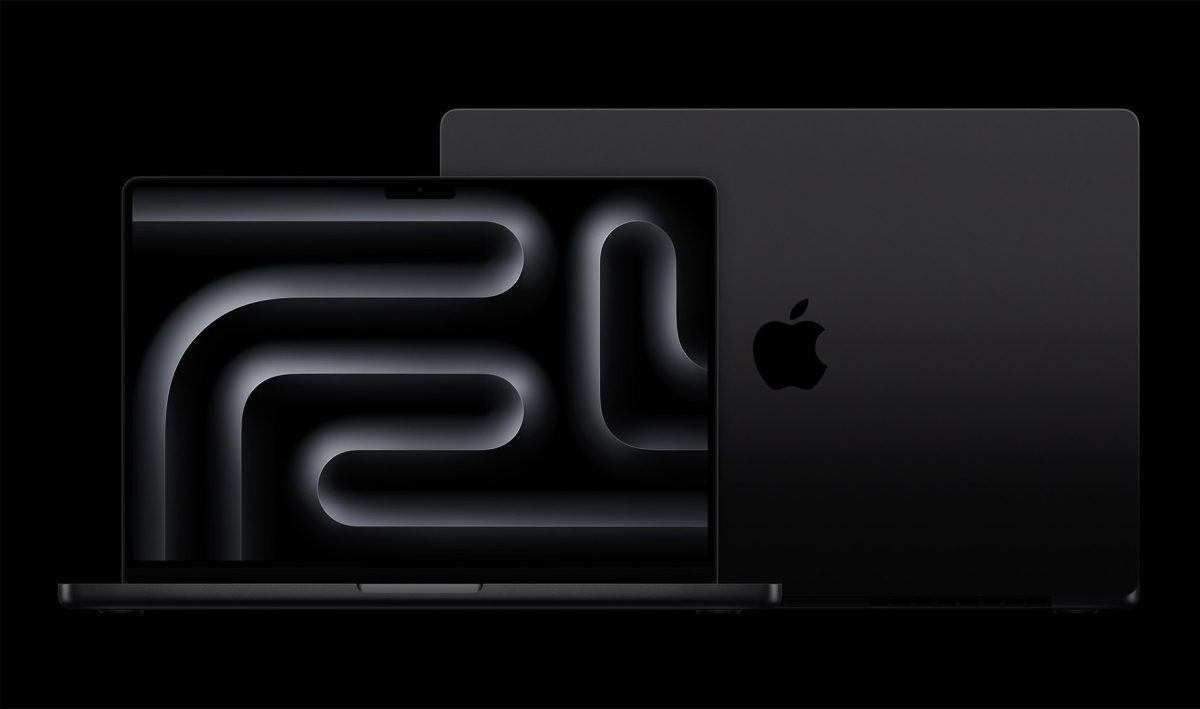
Incorporating cellular connectivity into Macs would resemble its implementation in iPhones and iPads, ensuring a seamless experience void of complex overhauls. Apple may have hesitated to launch a cellular Mac earlier, likely waiting for its own chips to substitute existing technology. Those interested in this feature should expect a premium price tag, but the added convenience could be invaluable for professionals who frequently travel or require constant connectivity.
If Gurman’s predictions hold true, Apple might roll out cellular-enabled Macs around 2028, allowing ample time to refine the technology. This foresight suggests the possibility of seeing these advancements alongside the anticipated redesign of the MacBook Pro, potentially featuring integrated modems on future Apple silicon chips. As Apple continues to innovate, the prospect of a Mac with cellular capabilities becomes a tantalizing glimpse into the future of computing.