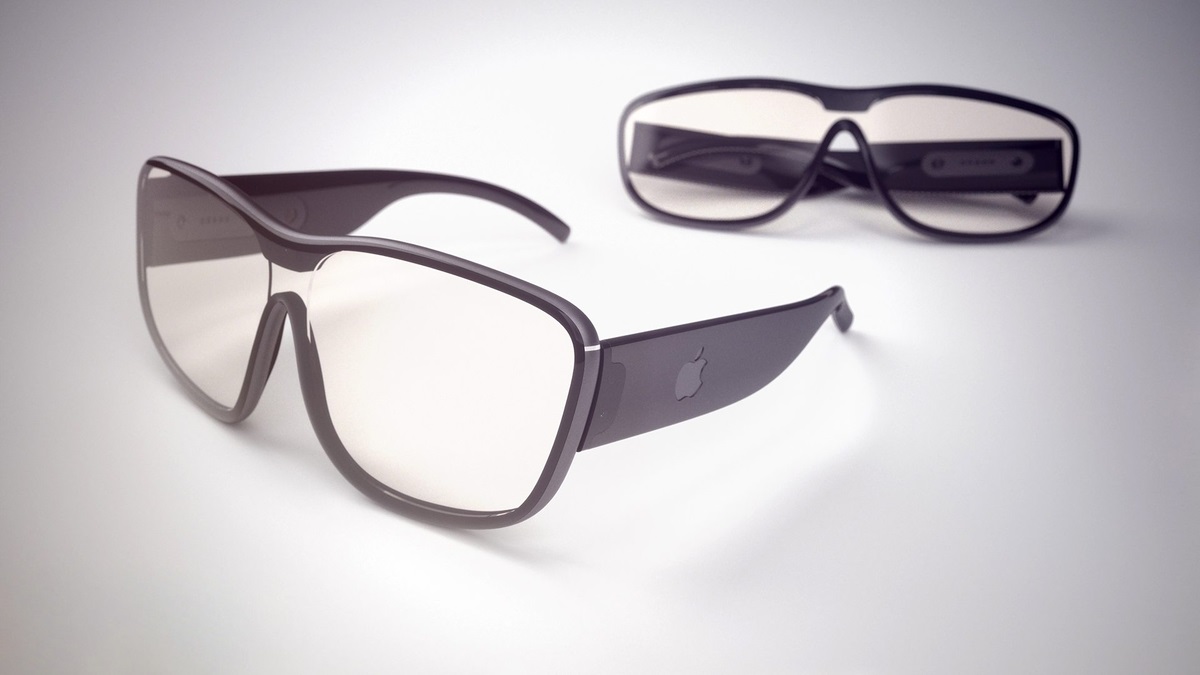
Imagine stepping into a world where a sleek pair of glasses offers you an immersive digital experience, seamlessly integrating virtual reality into your everyday life. Apple’s vision for augmented reality (AR) glasses is exactly this: an ingenious blend of technology that promises to redefine our interaction with the digital world. However, this ambitious project is still on the horizon and expected to surface a few years from now.
Creating AR glasses that deliver top-notch performance without being a burden to users is no small feat. Apple’s engineers are faced with the challenge of crafting a device that is both powerful and lightweight. The latest insights suggest a potential workaround to these challenges—partnering the AR glasses with an iPhone to share the computing load.
By connecting the AR glasses to an iPhone, Apple aims to offload some of the heavy computational tasks, allowing the glasses to manage complex functions more efficiently. While the initial target launch for these futuristic eyewear was hinted to be around 2027, timelines in tech tend to shift, as evidenced by the delays in Apple’s other projects.
Renowned tech analyst Mark Gurman recently highlighted in his ‘Power On’ newsletter that Apple is keenly exploring the idea of AR glasses as an iPhone accessory. This approach not only makes the glasses more manageable but also bolsters the iPhone’s position at the core of Apple’s product ecosystem.
Gurman elaborated that these glasses might draw aesthetic inspiration from brands like Xreal, designed primarily for media consumption. While some might view tethering to the iPhone as a limitation, it could, in fact, enhance the appeal of these devices due to the iPhone’s widespread affordability compared to high-end alternatives like the projected $3,499 Apple Vision Pro.
Apple’s CEO, Tim Cook, has expressed that the technological advancements needed to align AR glasses with the company’s visionary standards are still out of reach. The challenge is to engineer a microchip with the capacity and efficiency of an iPhone but consuming just a fraction of the power—a feat currently beyond the realm of possibility.
Apple’s dream is clear: a future where AR glasses become indispensable, practically replacing smartphones by serving as an all-in-one device. While such an innovation may seem distant now, it’s a stirring possibility for the next decade. However, the race is on, as competitors are eager to seize the opportunity to launch the first pioneering product in this thrilling new category of technology.
As the clock ticks, the possibility remains that Apple might not be the first to debut this groundbreaking innovation, but their relentless pursuit of perfection continues to drive expectations in the tech world. Keep your eyes peeled for tantalizing updates in what promises to be an exciting evolution in AR technology.