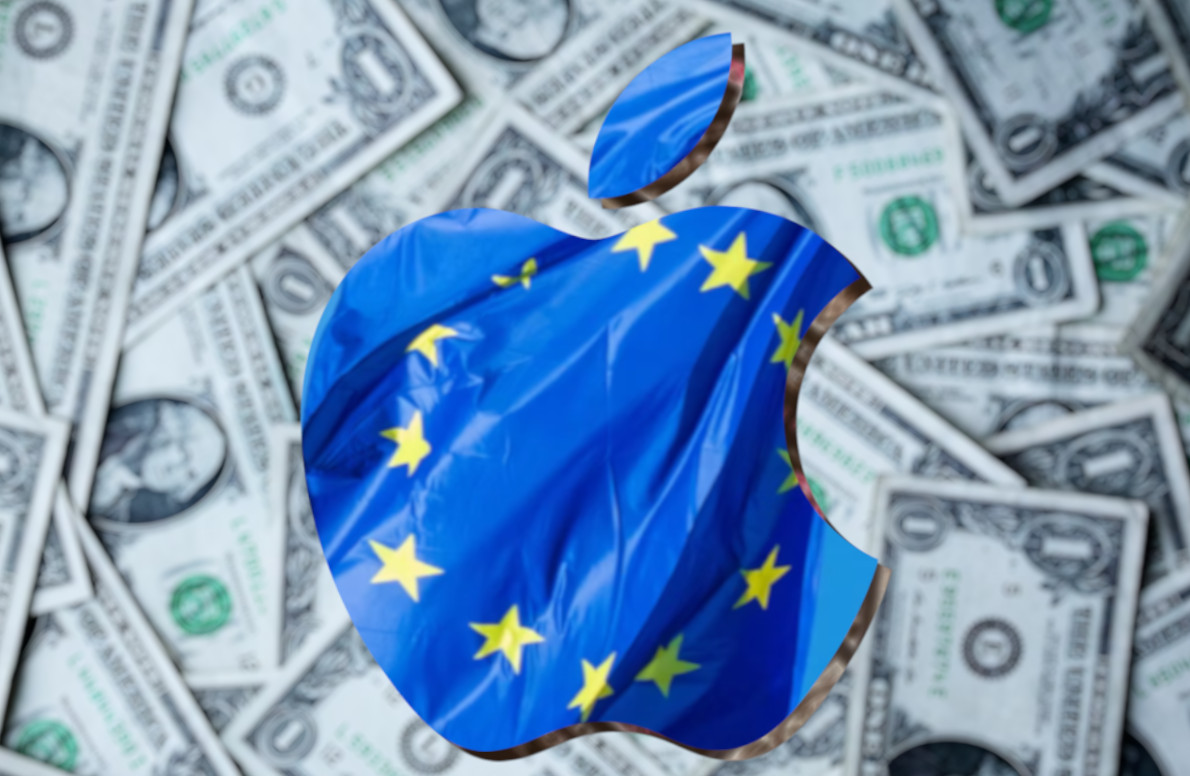
In a landmark shift, Apple has ceded to new EU regulations by permitting the sideloading of apps and the use of third-party app stores for its users, albeit with voiced concerns over potential security risks. Recent legislative measures by the European Union, particularly the Digital Markets Act (DMA), have led to significant changes for tech companies operating within its jurisdiction. Following the directive leading to the adoption of USB Type-C ports on the iPhone 15 series, Apple is now compelled to open up its iOS ecosystem further.
Apple has officially acknowledged that developers in the EU will now be granted the ability to offer their applications through alternate app stores and marketplaces. Additionally, other browser engines will be usable for iOS browsers, marking a departure from the long-standing exclusivity of Safari’s WebKit engine. To assist developers in integrating their apps seamlessly with Apple’s hardware and software, the company has initiated a Device Interoperability Request form.
Complying with the DMA has resulted in Apple developing over 600 new APIs, aiming to maintain a secure and seamless user experience while expanding interoperability. However, Apple emphasizes the security hazards accompanying these concessions, citing that the broader options for app downloads and payment processing could potentially lead to a surge in malware, scams, and exposure to unsuitable content.
Despite the newfound freedoms, Apple intends to oversee app installations from non-official sources. Certain security measures have been introduced, such as the Notarization process for iOS apps, which mandates both automated checks and human review for all apps, regardless of where they are sourced. Acknowledging the financial aspect of these adjustments, Apple has announced a reduction in commissions taken from App Store purchases and subscriptions, now down to 10% and 17% respectively for different categories. A new Core Technology Fee will also be levied on developers for each unique installation of an app from any third-party source after reaching a significant download threshold in the EU.
With these measures, Apple ensures a continuous revenue stream from all apps on its iOS devices, independent of their distribution method. Concerns regarding these costs have been addressed with the provision of a fee calculator for developers on Apple’s support website.
Apple has criticized the EU directive for potentially leading to a less user-friendly experience, particularly in the way users will now choose a default browser. They argue that presenting users with a browser selection list on initial Safari startup disturbs the flow of the user experience.
The reception of these changes by the EU regulatory bodies remains to be watched, as does Apple’s overall alignment with the underlying intentions of the DMA. For now, these changes are exclusive to the EU market, with users outside the EU, such as the US, still bound by previous restrictions.
The implementation of these changes is set for March 2024, when it will become clear to what extent these developments affect user experience and whether Apple’s concerns are as substantial as they claim.
For users interested in alternative devices, options like the Google Pixel 8 Pro or the Samsung Galaxy S24 Ultra are available for pre-order on major retail platforms.