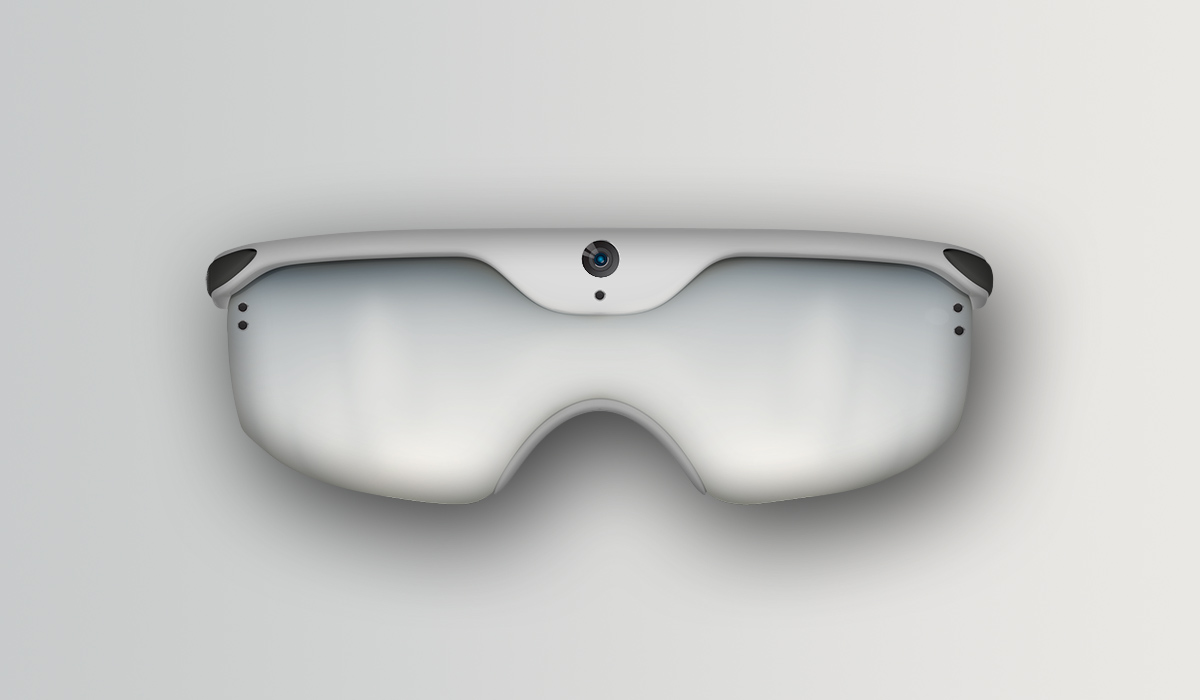
Apple is pushing the boundaries of technology with its innovative Vision Pro headset, positioning it as a pioneering spatial computer. However, the device’s cost is a significant barrier for many potential users. In response, Apple is planning to introduce a more budget-friendly version of the headset. Alongside this, the tech giant is in the early stages of developing a pair of augmented reality (AR) smart glasses, although these won’t hit the shelves in the immediate future.
Reports suggest that Apple’s AR smart glasses are still several years away, possibly taking about three to five years before a launch. This timeline suggests that Apple is in no rush and is dedicated to fine-tuning the technology to ensure an optimal user experience and affordability once they do launch. This approach shows Apple’s commitment to not just releasing products, but perfecting them to seamlessly integrate into the users’ daily lives—reminiscent of the transformative impact of the iPhone.
Potential buyers interested in augmented reality can currently explore the Vision Pro. However, with its substantial size, it might not be ideal for everyone. Apple’s smart glasses promise to offer a sleeker and more practical design, targeting usability and style, much like the Apple Watch.
While Meta has already rolled out its AR glasses, which offers a glimpse into the possibilities of AR technology, Apple’s strategy has always been to prioritize quality and user experience. Historically, Apple enters the market later than some competitors but delivers finely-tuned and polished products. The AR smart glasses are expected to continue this tradition, even though they differ from the Vision Pro.
Apple’s vision for these glasses includes shrinking critical components to fit within a stylish and fashionable design suitable for everyday wear. This continues the company’s trend of emphasizing aesthetics and user friendliness alongside technological innovation.
Stay tuned for updates on the progress of these intriguing smart AR glasses as Apple navigates the complexities of making cutting-edge technology accessible and functional for everyday use.