The semiconductor industry is abuzz with speculation about AMD’s next leap in central processing unit (CPU) technology—the Zen 5 architecture. According to recent rumors, this forthcoming innovation could represent a significant performance escalation from the current Zen 4 cores. This exciting advancement is particularly significant for enthusiasts in the field of computing as we approach its expected second half of 2024 release across various computing platforms, including desktops, laptops, and servers.
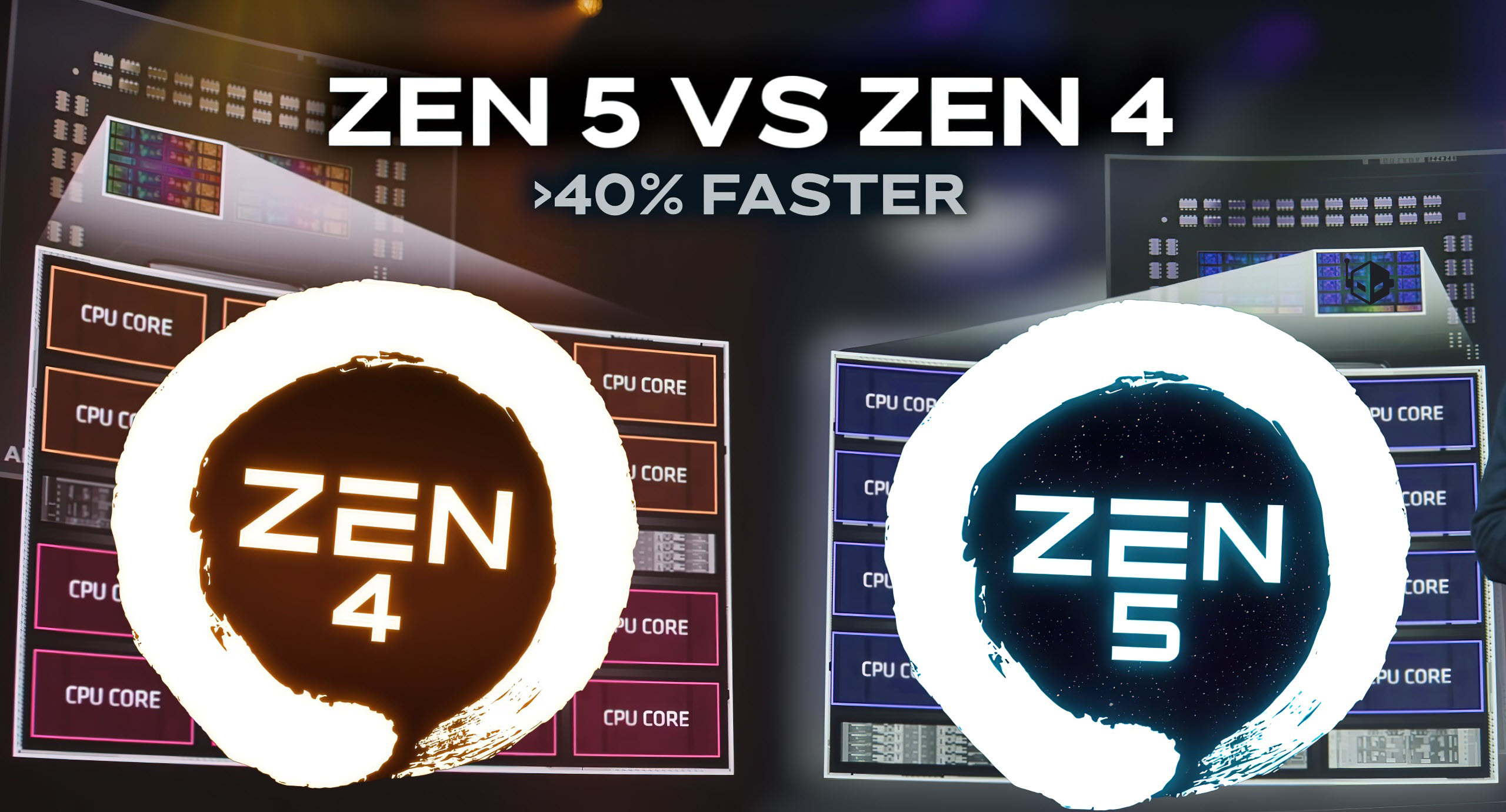
Key industry figures suggest that the Zen 5 CPU core could deliver a core-to-core performance increase of over 40% when compared to its Zen 4 predecessor. This remarkable estimate, which references results from SPEC benchmarks, indicates a possible large stride in single and multi-threaded application performance. Although the specifics regarding the use of integer or floating-point performance metrics remain undivulged, the importance of integer performance in a vast array of applications underscores the potential impact of such performance gains.
If these predictions come to fruition, AMD will replicate or even exceed the impressive generational performance improvements seen in the past. A historical parallel can be drawn with the original first-generation Zen, which surpassed its targeted 40% increase in instructions per clock (IPC) over the Excavator core by achieving a spectacular boost of over 52%.
Though details about the ins and outs of the Zen 5 architecture are still emerging, the official word from AMD reveals a design focused on heightened performance and efficiency. Promising features such as an enhanced front-end pipeline and broader issue, as well as integrated artificial intelligence (AI) and machine learning optimizations, are part of the architecture’s design ethos.
Looking towards the tangible products that will incorporate Zen 5, the anticipation builds for at least three different CPU families. On the desktop front, the “Granite Ridge” family appears set to take advantage of current AM5 platforms with updated specifications. Leaks have already hinted at forthcoming 6 and 8-core models. Moreover, AMD plans to boost its mobility offerings with Strix Point Advanced Processing Units (APUs) that will meld Zen 5 CPUs with the RDNA 3+ graphics processing unit (GPU) and a fortified Neural Processing Unit (NPU). In the realm of servers, the EPYC series will benefit from enhancements offering significant core count increases.
The eminent presentation by AMD’s CEO, Lisa Su, at the Computex 24 could unveil even more details regarding the direction of Zen 5, AI in PC technology, and the Ryzen series, promising a wealth of information for technology enthusiasts and professionals.
With each iteration from Zen 1 to the present, AMD has consistently introduced improvements and innovations across process nodes, core counts, power consumption, platform support, memory compatibility, and connectivity features. The evolution continues with the Ryzen family, culminating in an eagerly awaited Ryzen 8000 series based on the 3nm process node.
Professionals, gamers, and computing aficionados alike have much to look forward to with the advent of AMD’s next-generation Zen 5 Ryzen desktop CPUs. The rumored leap in performance could redefine processing power and efficiency standards, making this one of the most anticipated technological advancements in the near future.
As the world waits with bated breath for more concrete information, speculative excitement is high for what could be a landmark in CPU design and performance. It’s not just a matter of raw speed; the integration of AI and software optimization may play pivotal roles in defining the computing experiences of tomorrow. Keep an eye out for future developments to see how this generational leap will revolutionize the way we interact with technology daily.