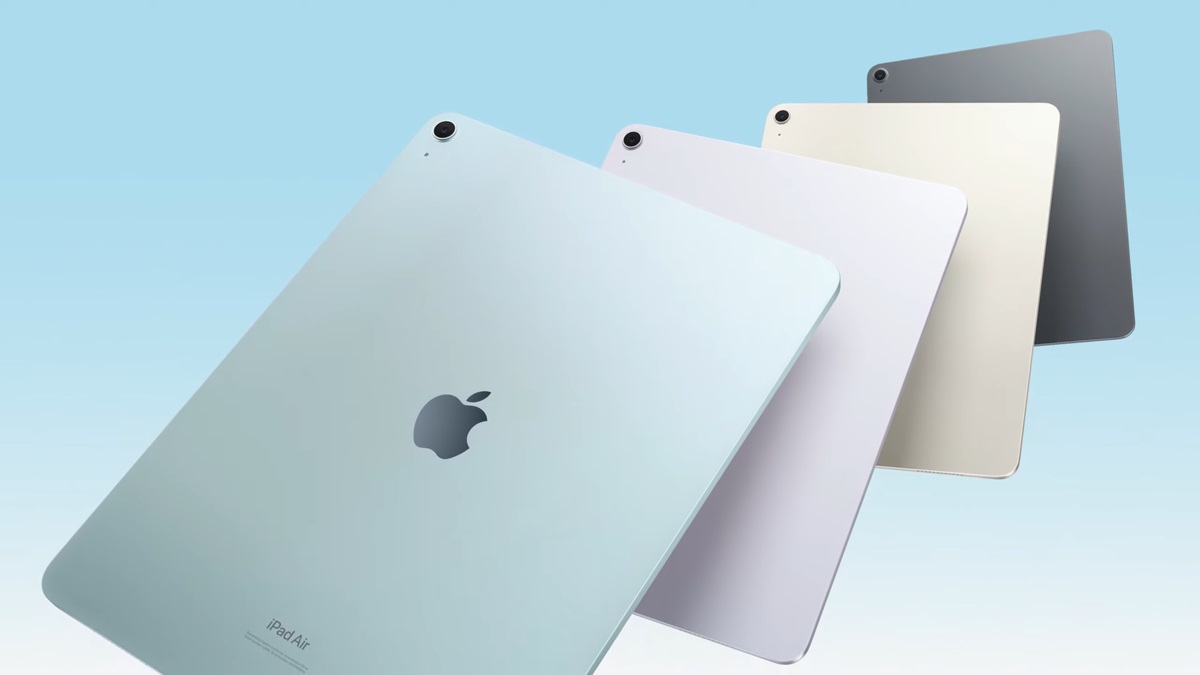
The iPad Air, nestled comfortably between Apple’s entry-level iPads and the high-end OLED iPad Pro series, is poised for a technological leap that could redefine its market position. In a move that could further delineate the specifications of its tablet offerings, Apple is rumored to introduce its next-generation iPad Air with a revolutionary 3nm chip architecture. The anticipated M3 chip, produced by semiconductor giant TSMC, is expected to elevate the iPad Air’s functionality and performance significantly.
With a tight-lipped stance on their plans, Apple has not confirmed the specifics of the M3 chip integration. However, it’s speculated that this advanced chipset could also power the company’s mainstream MacBook Air and Pro models. Transitioning from the current 5nm to a new 3nm chip would usher in remarkable gains in speed, processing power, and energy efficiency for the iPad Air. The implications of this upgrade are promising, suggesting a formidable increase in multitasking capabilities and immersive user experiences.
This big leap forward follows the recent announcement of the M2 iPad Air, which boasts a remarkable 50 percent performance hike compared to its M1 predecessors. The current M2 model has been well-received, offering two display size alternatives—an 11-inch model starting at a retail price of $599 and a larger 13-inch variant priced from $799. The enhanced performance makes the latest iPad Air an attractive option for users seeking to replace older devices like the iPad 10 or previous iPad iterations.
Despite the unveiling of the M2 model, industry whispers hint at a larger game plan with the long-term arc of Apple’s chip rollout. While the M2 marked a significant step, the potential arrival of the M3 chip offers a tantalizing preview of what may be in store for tech enthusiasts. Even more intriguing is the suggestion that Apple’s Pro line may leapfrog to an even more advanced M5 chip, hinting at a deliberate segregation of the tech giant’s tablet portfolio in terms of power and performance.
Given these conjectures around Apple’s strategic approach to product updates and the life cycle of the current models, analysts predict the M3 chip update for the iPad Air may not surface until the upcoming year. Apple’s pattern of alternating upgrade cycles for its ‘Pro’ models adds a measure of uncertainty to the timetable.
While we eagerly anticipate official confirmation on the specifications and release timeline for the next iteration of the iPad Air, it’s clear that the rumored 3nm M3 chip could signal a new era of performance and sophistication for Apple’s beloved tablet family. As technology continues to evolve at a rapid pace, this anticipated development underscores the relentless pursuit of innovation that characterizes the digital landscape. Consumers and professionals alike can look forward to the transformative potential that such advancements promise for their digital productivity and entertainment.


