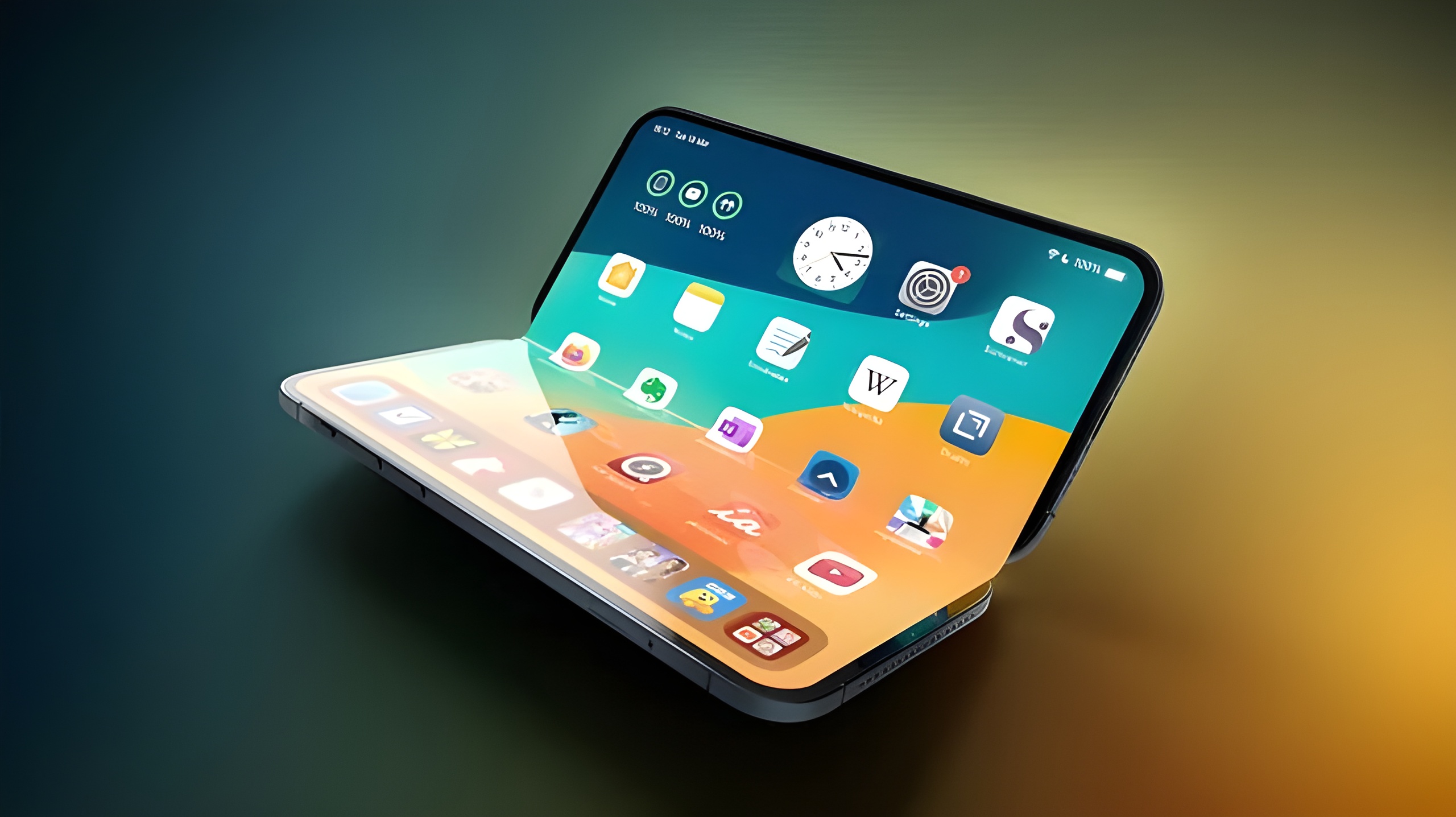
Apple’s first foldable iPhone may be the talk of the town, but a new note from Jefferies analyst Edison Lee pours some cold water on the hype. His latest outlook points to a strong near-term cycle driven by the base iPhone 17, tempered by softer expectations for iPhone 18 Pro and Pro Max—and a far more modest debut for Apple’s foldable than many anticipate.
What changed
– Jefferies nudged up iPhone unit growth forecasts for FY 2025 and FY 2026, but trimmed FY 2027. The shift reflects robust demand for the base iPhone 17 and a more cautious view on premium iPhone 18 models and the first foldable iPhone.
– In Lee’s view, the demand boost from the base iPhone 17 is largely “already in the price,” helped by an implied $100 price cut through higher base storage. Apple kept the entry price aligned with last year’s model but doubled the starting storage to 256 GB, making the value proposition more compelling without changing the sticker.
The foldable iPhone’s reality check
– Elevated excitement around Apple’s foldable has, according to Lee, inflated expectations for its sales trajectory. He projects just 12.5 million units in its first year on the market, a sharp contrast to more aggressive chatter about mass production and outsized volumes.
– Some industry reporting has suggested Apple is planning an ambitious production cadence and counting on the foldable to help lift total iPhone shipments in 2026. Lee’s view implies a slower, more measured adoption curve.
iPhone shipment outlook
– Apple shipped an estimated 232 million iPhones in 2024. Jefferies now models:
– FY 2025: 248 million units
– FY 2026: 250 million units
– FY 2027: 248 million units
– The firm lifted its FY25E/26E/27E unit growth to 7%/1%/-1% from 5%/-3%/0%. A potential $100 price increase for iPhone 18 Pro and Pro Max is expected to moderate demand for those margin-critical flagships, even as the base models stay hot.
Why it matters
– The near-term setup looks healthy thanks to the iPhone 17’s value play and storage-led “implied price cut.” But if premium pricing rises and the foldable arrives to a more cautious reception, the momentum could cool by FY 2027.
– For investors and buyers alike, the takeaway is clear: Apple’s mainstream lineup is driving the bus right now. The foldable may be a fascinating first step, but expectations may need a reality check.
What we don’t know
– The final specs, design, and software experience for Apple’s foldable iPhone.
– Whether Apple will juice demand again with storage-based value moves on future base models.
– How long current analyst assumptions will hold as supply chain details firm up.
– Whether the much-discussed super-cycle actually materializes on next year’s schedule.
What to watch next
– Supply chain signals that hint at Apple’s production plans and demand calibration for the foldable.
– iPhone 17 lead times as a real-time gauge of demand resilience across regions and channels.
– Ongoing analyst revisions as Wall Street recalibrates expectations for iPhone 18 Pro/Pro Max pricing and the foldable’s ramp.
Bottom line
Apple’s mainstream iPhone 17 looks set to carry the near-term cycle, but Jefferies expects the iPhone 18 Pro/Pro Max pricing and a modest first-year foldable to cap the upside later on. Enjoy the sunny outlook now—just don’t expect the foldable wave to wash in all at once.