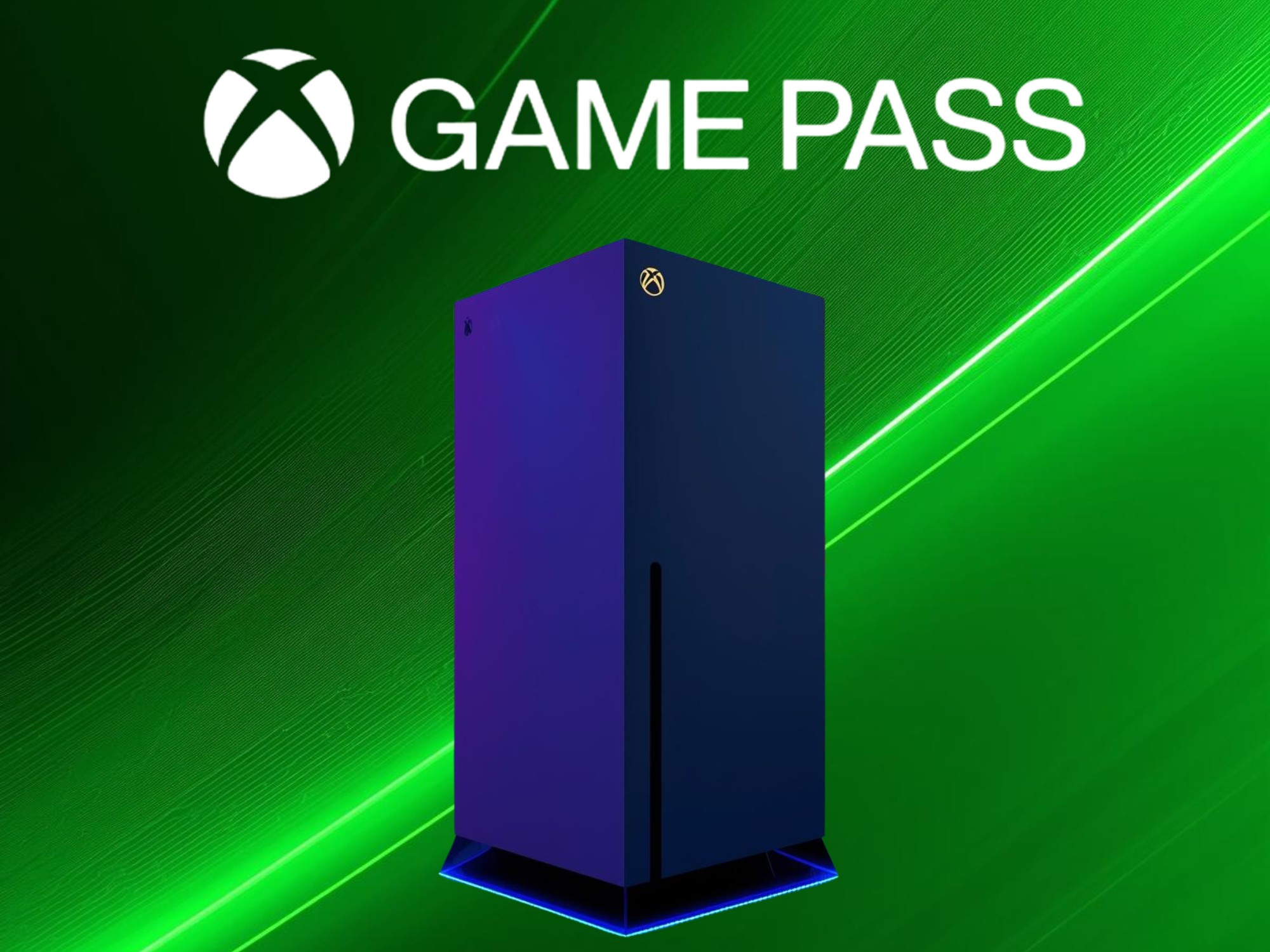
A well-known industry analyst believes Microsoft may have backed itself into a corner with its next Xbox plans, arguing that the company’s heavy reliance on Game Pass has weakened the case for a new console rather than strengthening it.
At the heart of the criticism is the way Game Pass has been positioned as an all-in subscription instead of something more flexible. The analyst says the “all or nothing” approach doesn’t resonate with a large portion of players who prefer buying only the games they actually want. For those gamers, an “a la carte” model would be more compelling than paying every month for a broad catalog they may barely touch.
That value gap becomes even more noticeable after the reported price jump to $30 per month for the highest Game Pass tier. At that rate, the annual cost climbs to about $360. The analyst compares that to a common spending pattern among casual-to-regular gamers: many spend roughly $140 a year on just a handful of titles they truly care about. If those players can buy a few releases outright for far less than a premium subscription costs, the incentive to commit long-term gets weaker.
The debate also ties into rumors and expectations around Microsoft’s next hardware direction, including a hybrid-style PC/console concept that could potentially run platforms like Steam. While that kind of “best of both worlds” machine sounds attractive on paper, the analyst questions whether it actually helps Microsoft achieve its main goal: keeping players in the Xbox ecosystem and subscribed.
In his view, without must-have exclusive games that can only be played on Xbox hardware, there’s little reason for PC-centric users to switch their habits or adopt a new Xbox device. And if the new box doesn’t create a clear reason to choose it over a gaming PC (or over buying games individually), he believes the console strategy risks losing momentum entirely. His blunt conclusion: the console is effectively “dead,” and the decision to lean so strongly into Game Pass is a major reason why.
Still, signs suggest Microsoft isn’t pulling back on hardware development. Recent comments from AMD CEO Lisa Su indicated the project remains on track, with a 2027 timeframe being mentioned. Microsoft leadership has also continued to publicly frame hardware as an important part of the company’s gaming future.
Even if the next Xbox arrives as planned, price could become the real make-or-break factor. It has been described as a “high-end” device, and that label often comes with premium costs. Rising prices for storage and memory could push the final retail price higher than many gamers are comfortable with, especially when combined with a more expensive subscription strategy.
For loyal Xbox fans, the concern is simple: the cost of entry may be climbing in multiple directions at once. If the next console is expensive and the top-tier subscription is also significantly higher, Microsoft may be asking players to make a bigger financial commitment than they’re willing to make—particularly when buying a few games per year still feels like the better deal for many households.


