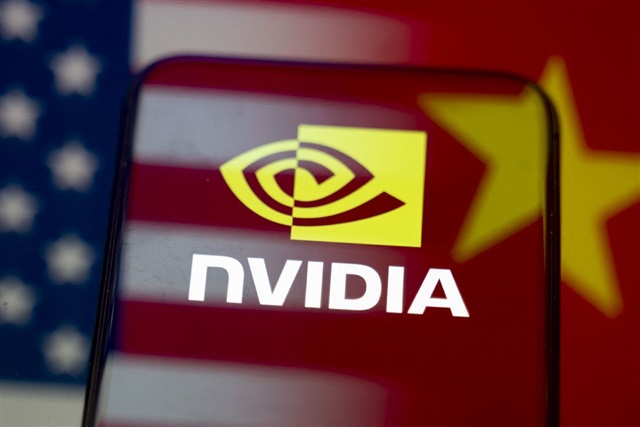
Washington is turning up the heat on China’s artificial intelligence and semiconductor ambitions, with lawmakers intensifying scrutiny of how U.S. capital, technology, and corporate relationships might be bolstering competitors abroad. The push centers on tightening oversight of corporate ties and capital flows to protect America’s edge in the global AI race. High-profile chipmakers are drawing fresh attention, with questions mounting around alleged relationships with restricted Chinese firms such as Huawei.
At stake is the future of advanced computing, where cutting-edge GPUs, AI accelerators, and high-bandwidth memory power everything from frontier model training to data center buildouts. Policymakers are signaling that the status quo—where complex global supply chains, licensing deals, and cross-border investments can blur lines—is no longer acceptable if it undermines national security or export compliance.
What’s under the microscope
– Corporate relationships: Lawmakers are probing how U.S. firms engage with Chinese customers and suppliers, including sales channels through third countries, cloud partnerships, licensing agreements, and R&D collaborations.
– Indirect pathways: Investigations are looking at whether technology or components might reach restricted entities via distributors, joint ventures, or overseas affiliates.
– Capital flows: Expect more questions around venture and private equity funding, limited partner exposure, and outbound investments into Chinese AI, chip design, and semiconductor manufacturing ecosystems.
– Supply chain transparency: Enhanced reporting and auditing could be required to map where advanced chips, software, IP, and services ultimately land.
Possible policy moves
– Tighter export controls on advanced chips, accelerators, and related software or design tools.
– Expanded outbound investment screening to curb funding of sensitive tech in rival jurisdictions.
– Stronger enforcement, including penalties for evasion and stricter compliance obligations.
– New disclosure rules to give regulators and investors clearer visibility into high-risk relationships.
Why this matters for the AI and semiconductor industry
– Revenue and market exposure: Companies with significant China sales may face additional licensing hurdles or narrower addressable markets.
– Compliance costs: Expect higher due diligence burdens, new certifications, and more frequent audits across the AI stack—hardware, software, and cloud services.
– Supply-chain recalibration: Firms may accelerate diversification toward allied markets for packaging, memory, and advanced manufacturing.
– Competitive dynamics: Constraints could slow China’s access to state-of-the-art AI compute, while catalyzing domestic alternatives and regional partnerships outside China.
– Investor risk: Heightened policy volatility can affect valuations, guidance, and capital allocation, especially for chip designers, foundry partners, and AI infrastructure providers.
What to watch next
– Congressional hearings and letters requesting details on China-related engagements, especially with restricted entities.
– Rulemaking that refines definitions of AI accelerators, performance thresholds, and licensing criteria.
– Company disclosures on compliance programs, customer vetting, and exposure to sensitive markets.
– Enforcement actions signaling how regulators interpret indirect sales, software access, and cloud-based compute.
The message from Washington is clear: safeguarding leadership in AI and advanced semiconductors now extends beyond hardware specs to the financial, legal, and operational links that bind the global tech economy. Companies operating at the frontier of AI and chips should prepare for deeper scrutiny, more granular reporting, and a faster policy cadence as the U.S. prioritizes national security and technological advantage.