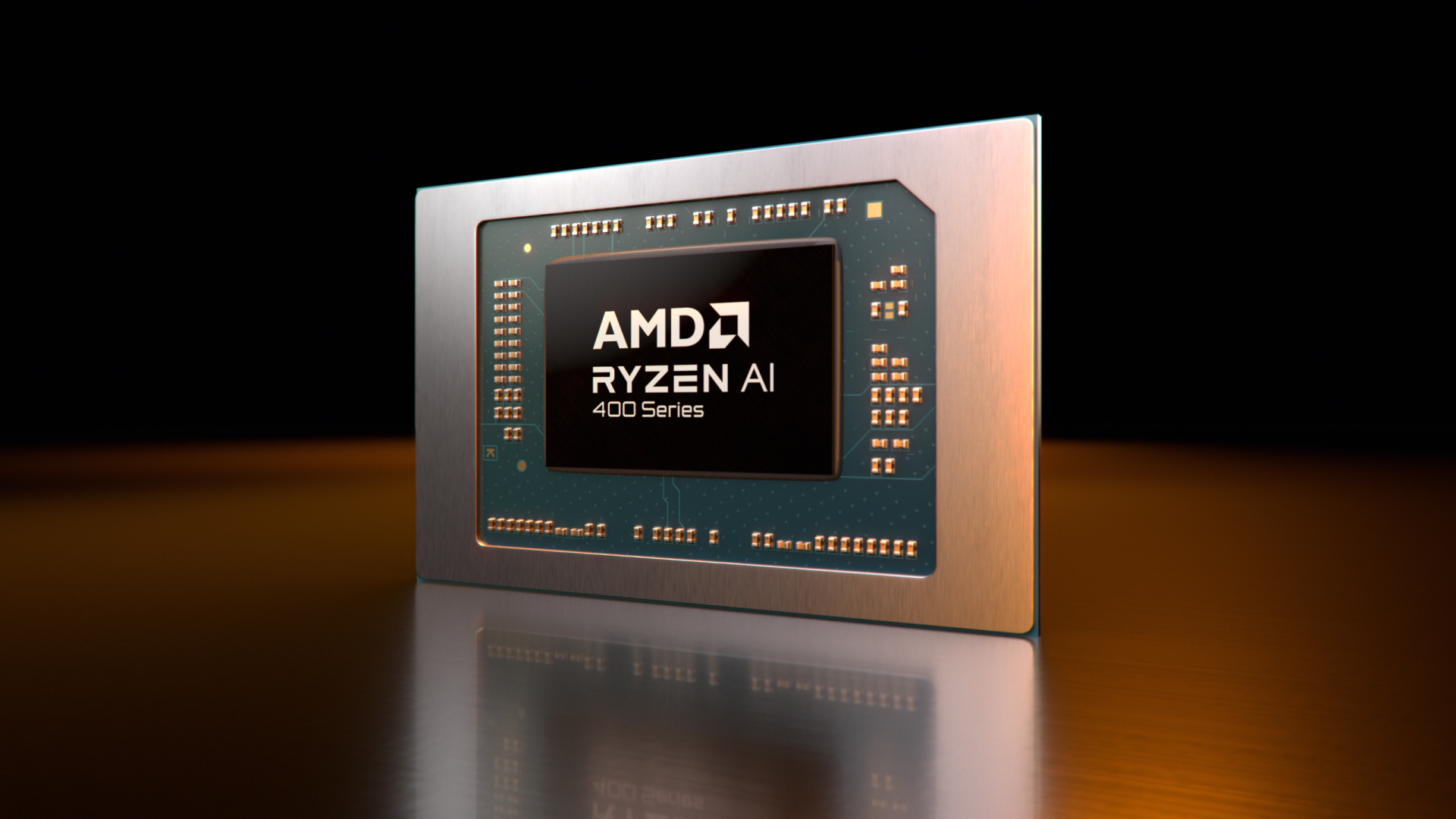
AMD’s newest Zen 5 desktop APUs for the AM5 platform, the Ryzen AI 400 and Ryzen AI Pro 400 series, are an exciting option for anyone who wants modern integrated graphics and the flexibility to build a compact, efficient PC. With updated architecture improvements and RDNA 3.5-based Radeon integrated graphics (up to Radeon 860M), these chips are positioned as a solid path to entry-level gaming without needing a dedicated graphics card.
But a closer look at the specifications reveals a key trade-off that could matter a lot to PC builders: Ryzen AI 400 desktop APUs appear to ship with noticeably fewer usable PCIe 4.0 lanes than the previous generation, which can limit upgrade options for discrete graphics cards and high-speed NVMe SSDs.
Reduced PCIe lanes could limit GPU and SSD performance
Compared with the earlier Zen 4-based Ryzen 8000G desktop APUs, Ryzen AI 400 parts offer less PCIe connectivity directly from the chip. That change impacts how much bandwidth you can allocate to a dedicated GPU and storage at the same time.
The top current model in the lineup, the Ryzen AI 7 450G, provides 16 PCIe 4.0 lanes on paper, but only 12 are usable. In practical terms, that typically means:
1) A discrete GPU connection limited to PCIe 4.0 x8
2) Four lanes reserved for a primary NVMe SSD (PCIe 4.0 x4)
That’s four fewer usable lanes than the older Ryzen 7 8700G, and it can affect long-term upgrade flexibility—especially for builders who plan to add a dedicated graphics card later.
Why PCIe 4.0 x8 can be a problem for some modern GPUs
PCIe 4.0 x8 bandwidth is equivalent to PCIe 3.0 x16, and while many GPUs can run fine under that constraint, certain modern gaming scenarios can expose performance issues. In some newer games, graphics cards with lower VRAM capacities can experience heavier performance penalties when bandwidth is restricted, potentially leading to frame drops, stuttering, and an overall less smooth experience.
In other words, if you pair a Ryzen AI 400 APU-based PC with a budget GPU (especially a lower-VRAM model) in the future, the PCIe lane limitation could become a bottleneck in specific titles and workloads.
Lower-end Ryzen AI 400 chips may be even more restrictive
The situation looks tighter on chips like the Ryzen AI 5 435G, which reportedly offer only 10 usable PCIe lanes. That can reduce flexibility even further, making it harder to run a GPU at x8 and still keep an NVMe drive operating at x4 at the same time without compromises.
Best fit: mini PCs and compact builds, not maximum upgradeability
Taken together, it looks like Ryzen AI 400 desktop APUs make the most sense for mini PCs and small form factor systems where integrated graphics, efficiency, and compact design matter more than expanding with high-end add-in hardware later. If you’re planning a more upgrade-friendly AM5 build—especially one that might include a powerful discrete GPU and multiple high-speed SSDs—other AM5 CPU options may offer better lane capacity and platform flexibility.