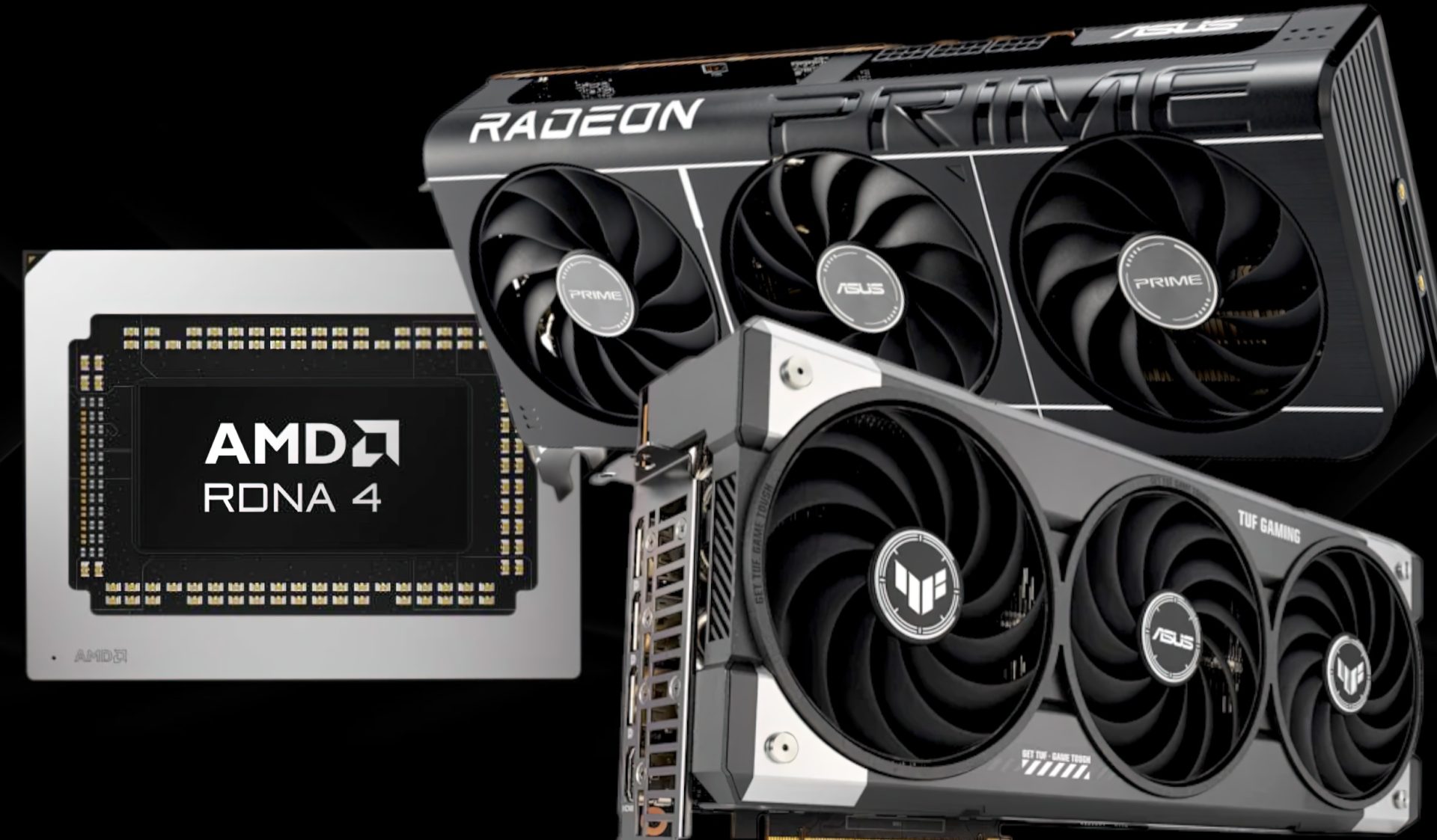
AMD’s Radeon RX 9000 series graphics cards may be heading for another price increase, with reports suggesting that rising memory costs could push GPU prices up by around 10% to 15% later in 2026.
The main reason behind the possible hike is the continued increase in DRAM and VRAM pricing. Over the past several months, graphics card makers and board partners have repeatedly adjusted prices as memory costs climbed. The situation has affected both AMD and NVIDIA products, especially newer GPUs with larger VRAM capacities.
According to the latest market chatter, AMD may raise Radeon RX 9000 series pricing in the third quarter of 2026. The impact could begin to show as early as July if VRAM prices rise as expected in the second half of the year. However, the report is still not confirmed, so the final outcome may depend on how the memory market develops over the coming months.
The graphics card market has already been under pressure due to strong demand for AI hardware. Data centers and AI server operators continue to consume huge amounts of DRAM and NAND storage, leaving the consumer market dealing with tighter supply and much higher prices. Industry expectations suggest that DRAM and SSD prices may remain elevated throughout 2026 and possibly into 2027.
For PC gamers and system builders, this could mean another difficult buying period. Radeon RX 9000 series cards and NVIDIA RTX 50 series GPUs are already selling at roughly 20% above the pricing levels seen before the recent memory supply crunch. Cards with higher VRAM capacities have been hit the hardest, as their production costs are more directly affected by expensive memory chips.
NVIDIA, however, is reportedly not planning an immediate price increase. Board partners have not yet been told to expect higher prices in the near term, which means GeForce RTX 50 series pricing may remain more stable for now. That could give NVIDIA a short-term advantage if AMD’s Radeon cards become more expensive.
Still, both AMD and NVIDIA appear focused on higher-end 16 GB graphics cards, where profit margins are stronger. At the same time, more affordable GPUs continue to sell well because many buyers are unwilling or unable to spend over $500 on a graphics card.
The risk for AMD is that another 10% to 15% increase could make Radeon RX 9000 series GPUs less attractive in several regions. In the past, cards priced too far above MSRP struggled to sell, forcing some retailers to discount them later just to move inventory. Markets such as Germany and Japan have already shown that buyers can be hesitant to purchase RDNA 4-based graphics cards when prices climb too high.
If the rumored price hike happens, gamers planning a GPU upgrade may want to monitor Radeon RX 9000 pricing closely over the next few months. With VRAM costs still rising and AI demand showing no signs of slowing down, the consumer graphics card market may remain expensive for the foreseeable future.