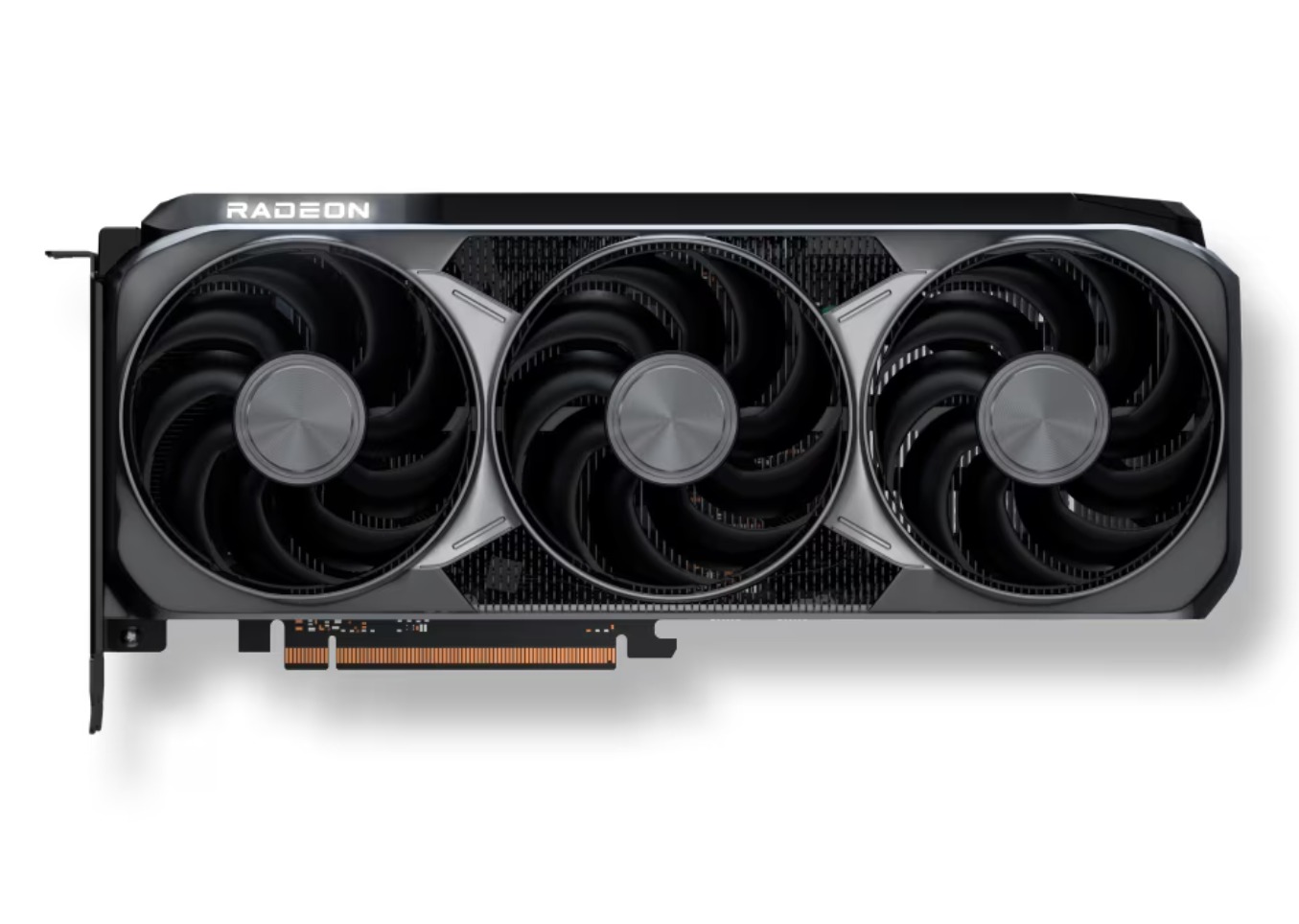
Rumors about AMD’s next-generation Radeon graphics made the rounds this week after claims suggested the company could turn to Samsung Foundry for future GPUs, potentially using a 2 nm or 4 nm manufacturing process. That idea didn’t last long. Well-known hardware leaker Kepler_L2 quickly pushed back, calling the Samsung scenario unrealistic and insisting that AMD’s upcoming Radeon chips are already taped out elsewhere.
According to Kepler_L2, AMD’s next Radeon GPU lineup has reportedly been taped out on TSMC’s N3P process node. If that information is accurate, it strongly points to AMD sticking with TSMC for its high-end graphics production and effectively shuts the door on the Samsung Foundry rumor—at least for this particular generation of Radeon gaming GPUs.
The same leak also hints at a mid-2027 release window for what many enthusiasts currently refer to as RDNA 5. That timeline may sound far off, but it fits how modern flagship GPUs are developed. Once a chip design is taped out, the process typically involves lengthy validation, refinement, and a careful ramp into mass production before a product is ready for store shelves.
Officially, AMD isn’t confirming much. There have been no announcements for new desktop Radeon products tied to this next architecture, and AMD hasn’t publicly committed to the “RDNA 5” name. Instead, the company has kept its messaging broad, using phrases like “next-generation gaming GPUs” while highlighting priorities such as stronger AI capabilities and improved ray tracing performance. Interestingly, AMD tends to be much more open about its CPU roadmap—regularly discussing future EPYC server platforms and even acknowledging early work around 2 nm wafers—while Radeon plans remain noticeably more guarded.
One of the few concrete public breadcrumbs around AMD’s future graphics direction comes from its collaboration with Sony, a partnership that’s been discussed under the name “Project Amethyst.” Through this joint effort, the two companies have talked about developing next-generation hardware and software building blocks, including new Radiance Cores aimed at improving ray tracing and path tracing, Neural Arrays designed for AI-driven graphics workloads, and better compression technology to help relieve memory bandwidth pressure. The expectation is that these upgrades could influence both future Radeon desktop GPUs and upcoming console system-on-chips, suggesting a shared long-term graphics roadmap across PC and console gaming.
Outside of that, most of the discussion is still fueled by leaks and informed speculation. References to an internal “GFX13” graphics family continue to circulate, along with talk of multiple desktop GPU dies—often labeled AT0, AT2, AT3, and AT4—each allegedly targeting different performance tiers with varying compute unit configurations and memory setups. HDMI 2.2 support is another rumor that keeps popping up, but at this point it remains unconfirmed.
If mid-2027 is truly the target for AMD’s next big Radeon wave, the near term could stay quiet. Radeon marketing has already felt subdued, and expectations for major desktop GPU reveals in 2026 appear limited. That quiet approach could be intentional: building hype too early rarely benefits a product that’s still a long way from launch. There’s also the business reality—memory supply constraints and rising component costs could make it difficult to introduce new GPUs in 2026 at prices that make sense for gamers, especially in a competitive market where performance-per-dollar matters more than ever.
For now, AMD’s next-gen Radeon story is defined by a mix of credible leaks, strategic silence, and a few official hints centered around AI and ray tracing. If the taped-out-on-TSMC report holds true, it suggests the company’s next graphics leap is already well into development—even if gamers may need to wait until 2027 to see what it can really do.