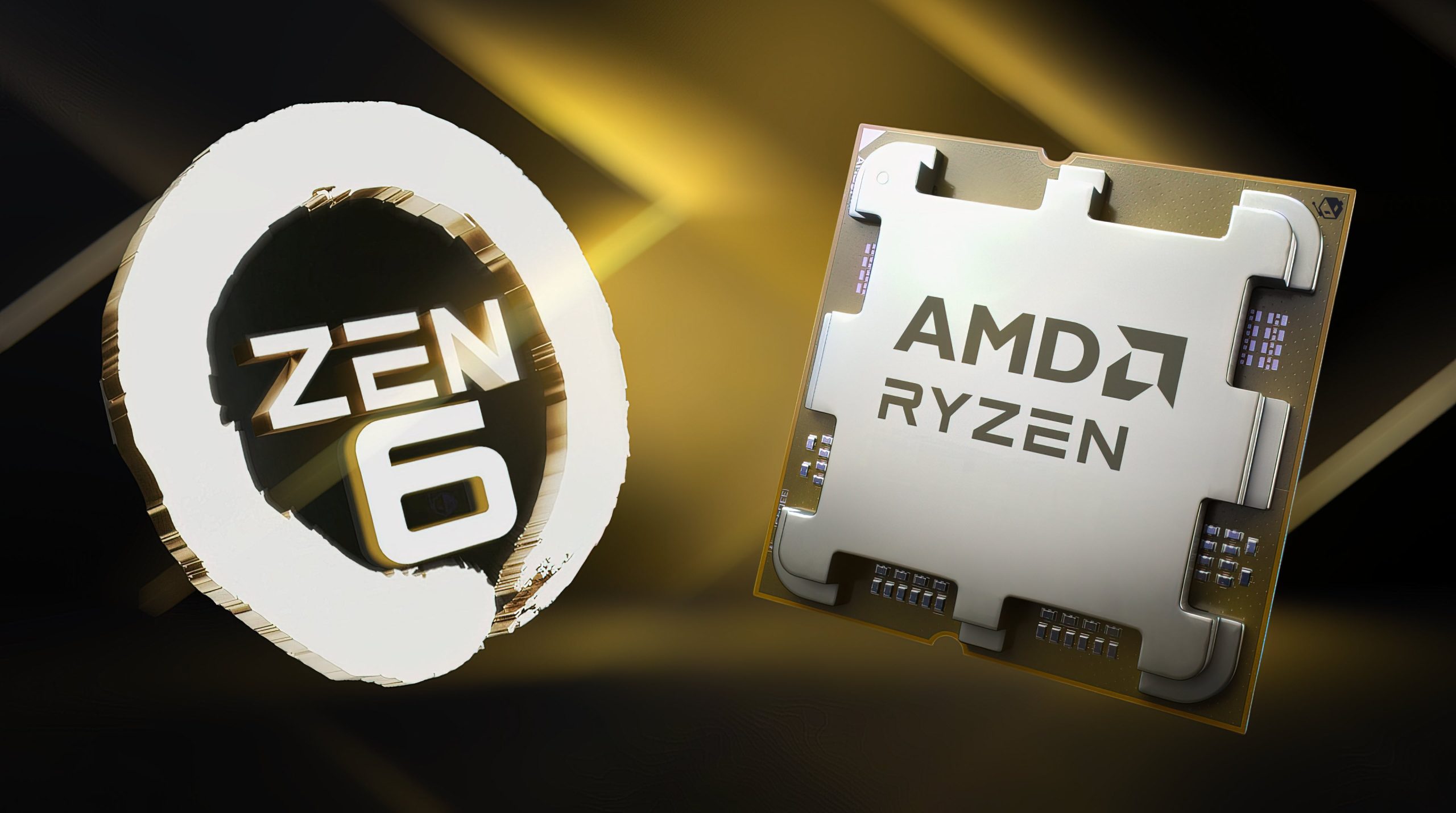
AMD’s push toward more transparent, open-source-friendly PC firmware just took a meaningful step forward. The company’s openSIL initiative, designed to replace the long-standing AGESA firmware stack, has now been successfully brought to an existing AM5 motherboard—well ahead of the first Zen 6 processors that are expected to rely on it.
A firmware development team at 3mdeb has managed to port an AM5 platform to Coreboot using AMD’s openSIL-based approach for CPU initialization. Coreboot is widely known as an open-source firmware project that replaces proprietary BIOS components, and getting it running on modern consumer hardware is often a major milestone. In this case, the work reportedly runs on the MSI PRO B850-P, a mainstream AM5 motherboard—showing that openSIL isn’t just a future-looking concept for upcoming platforms, but something that can be proven out on hardware people can buy today.
The timing here matters. AMD first introduced openSIL in 2023 as a full replacement path for AGESA, aiming to modernize how silicon initialization is delivered while making it easier to integrate with different x86 host firmware environments. The long-term goal is a more modular, auditable, and scalable firmware foundation that can better support open-source development and security-focused deployments.
So what exactly is openSIL meant to deliver? AMD summarizes it as a “silicon initialization library” approach built around a few key ideas:
– A hardware-agnostic static library design written in C-17, split into Silicon, Platform, and Utilities components
– Simpler, more scalable integration with x86 host firmware implementations
– A flexible platform library that can scale to various customer requirements and firmware stacks
– A lightweight implementation intended to reduce unnecessary complexity and improve security
– Open-source availability from the start
AMD has also been increasingly clear about when openSIL will show up in shipping products. The first next-generation processors expected to support openSIL are EPYC “Venice” server CPUs based on Zen 6, targeted for the second half of 2026. On the client side, Zen 6-based Ryzen “Medusa” processors are expected to follow with openSIL support in the first half of 2027, and similar support is also planned for Zen 6 Ryzen processors under the “Olympic Ridge” codename.
AMD has indicated that its typical open-source firmware release rhythm is about one quarter after a product launches, with server platforms expected to see early attention. More recently, company leadership has reiterated that openSIL support will expand beyond servers into client platforms, building on progress already made for Zen 4-based Ryzen “Phoenix” hardware.
For PC builders and firmware enthusiasts, the successful Coreboot port on an AM5 motherboard is a strong signal that openSIL is becoming practical—not just theoretical. If more boards follow and the codebase continues to mature, openSIL could help reshape what modern AMD platform firmware looks like heading into the Zen 6 era, especially for users who care about openness, maintainability, and long-term platform security.