AMD has pushed back against claims that it has decided to leave RDNA 3.5 APUs out of the FSR 4.1 rollout, adding a new layer of uncertainty to the future of upscaling support for handheld gaming PCs, mini-PCs, and mobile Ryzen systems.
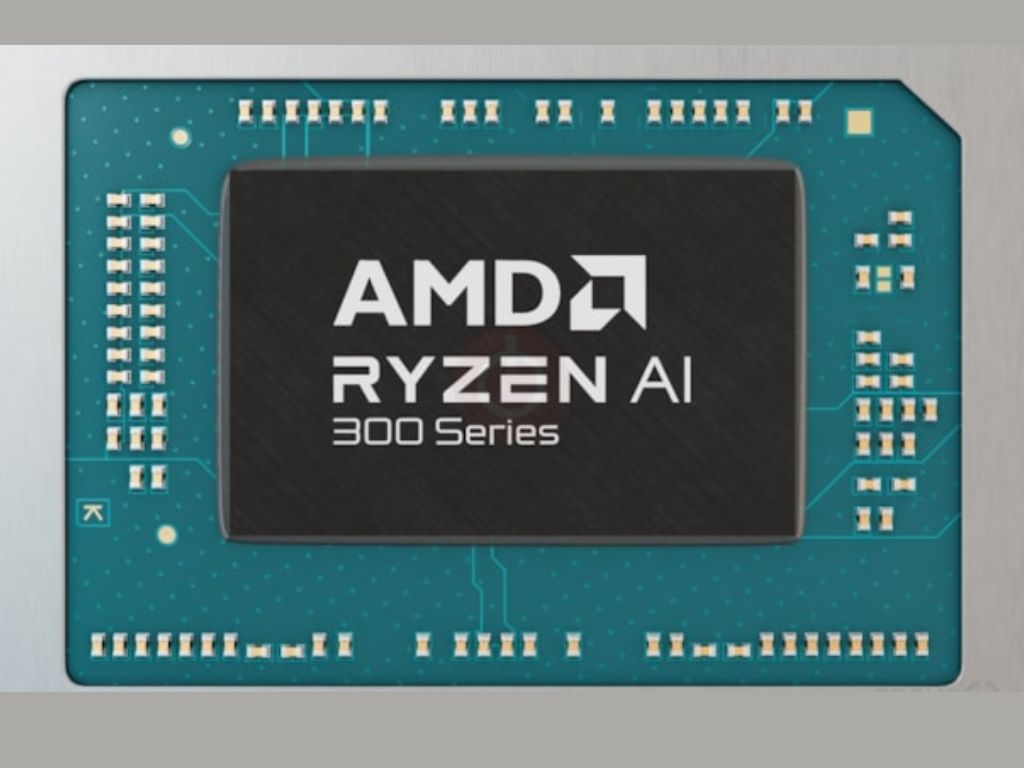
The debate began after AMD outlined a staggered release plan for FSR 4.1 on older RDNA 3 and RDNA 2 graphics cards. Soon after, speculation started spreading that the company might skip RDNA 3.5-based mobile chips entirely, including products such as the Ryzen Z2 Extreme, Ryzen AI 300, Ryzen AI 400, and Radeon RX 8000 Mobile series.
That possibility raised concerns among gamers, especially those using newer AMD-powered handhelds and compact PCs. RDNA 3.5 is not old hardware, and many users expected these chips to remain part of AMD’s future-facing software support strategy.
The confusion grew after AMD Vice President David McAfee spoke during Computex 2026 and suggested that FSR 4.1 was not currently planned for RDNA 3.5 APUs. He indicated that AMD was still evaluating whether bringing the technology to integrated graphics made sense and that the discussion appeared to be leaning away from support.
That statement quickly led to headlines and community backlash, with some interpreting it as a sign that AMD had already decided to drop RDNA 3.5 from the FSR 4.1 roadmap.
AMD’s Frank Azor, Corporate Vice President of Client and Graphics Marketing, has now stepped in to clarify the situation. Responding to online discussion, Azor said that no final decision has been made about FSR 4.1 support for RDNA 3.5 handhelds or mini-PCs.
He explained that he was not present to hear the exact wording of the earlier comments, but emphasized that the decision being reported or implied had not been made. He also said AMD is not ready to discuss additional future product plans yet, while adding that the company continues to listen to customer feedback.
That response does not confirm FSR 4.1 support for RDNA 3.5, but it does leave the door open. For now, AMD appears to be in a wait-and-see position rather than making a public commitment either way.
The situation is especially interesting because there does not appear to be an obvious technical reason why FSR 4.1 or FSR 4 INT8 could not run on RDNA 3.5 GPUs. Some users have already experimented with similar functionality on Strix Halo APUs through third-party tools, suggesting that the hardware may be capable of handling at least some form of the technology.
For handheld gaming PC owners, this matters. FSR can play a major role in improving frame rates, extending device longevity, and making demanding games more playable on lower-power hardware. If RDNA 3.5 APUs were left out, devices built around chips like the Ryzen Z2 Extreme could miss out on one of AMD’s most important gaming features.
At the same time, AMD may be weighing performance, quality, validation time, and user experience before expanding FSR 4.1 to integrated GPUs. Supporting a feature on paper is one thing; delivering a consistent experience across laptops, handhelds, and mini-PCs is another.
For gamers who want the safest path to full FSR 4.1 support, RDNA 4 graphics cards such as the Radeon RX 9070 XT remain the most secure option. These newer GPUs are expected to receive the strongest long-term software support and are more clearly aligned with AMD’s latest graphics roadmap.
Still, the bigger question is about AMD’s long-term support philosophy. For years, many PC gamers associated AMD with extended performance improvements over time, often described as its “fine wine” reputation. If newer mobile APUs are excluded from major features too quickly, that perception could take a hit.
For now, nothing is final. AMD has not confirmed FSR 4.1 for RDNA 3.5, but it also has not officially ruled it out. Frank Azor’s quick response suggests that community reaction is being heard, and customer feedback may still influence the final decision.
Until AMD provides a clear roadmap, owners of Ryzen Z2 Extreme, Ryzen AI 300, Ryzen AI 400, Radeon RX 8000 Mobile, and other RDNA 3.5-based systems will have to wait. The future of FSR 4.1 on these devices remains uncertain, but it is not dead yet.