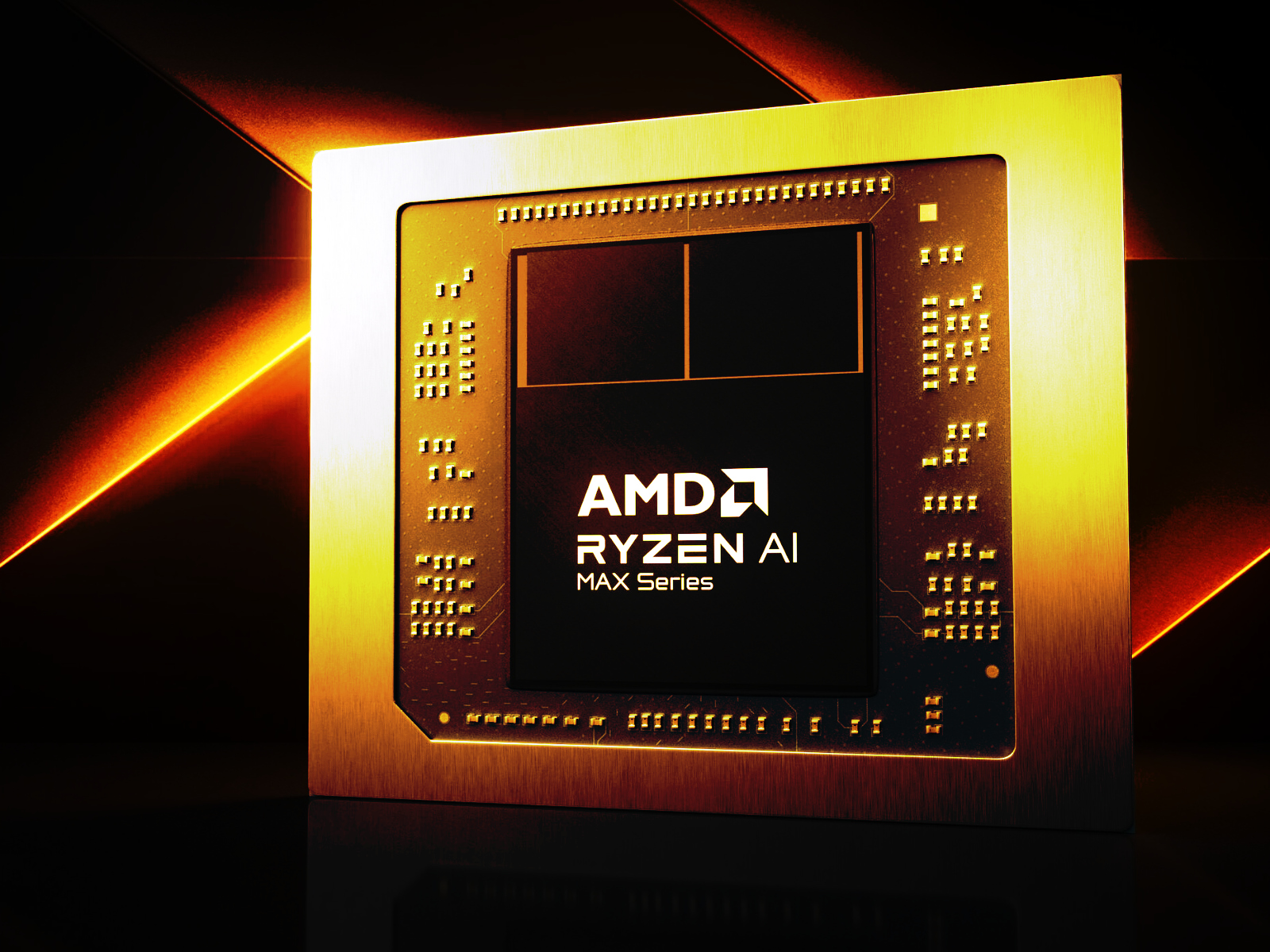
AMD’s new Strix Halo laptop chip lineup is starting to come into focus, and early benchmark sightings are giving PC fans a clearer idea of where each model lands. One of the most talked-about newcomers is the Ryzen AI Max+ 392, a processor that has been circulating unofficially for months before finally being properly introduced last week during CES 2026 in Las Vegas.
Although the Ryzen AI Max+ 392 was first shown publicly back in November by Sixunited, AMD’s CES reveal effectively confirmed it as part of the Strix Halo APU family. Now, fresh results spotted in Geekbench are offering an early snapshot of its performance compared to other Strix Halo options already being discussed in the market.
Based on the benchmark data, the Ryzen AI Max+ 392 appears to trail the Ryzen AI Max+ 395 by roughly 15%. The Ryzen AI Max+ 395 is the chip currently known for powering the ROG Flow Z13, making it a useful reference point for people trying to gauge where the 392 sits in AMD’s stack. While benchmark gaps can sometimes come down to differences in device cooling, power limits, or manufacturer tuning, the current figures suggest the 392 may be positioned as a slightly more accessible alternative rather than the outright fastest Strix Halo choice.
On the laptop side, only one model has been clearly confirmed for a worldwide release with the Ryzen AI Max+ 392 so far: the TUF Gaming A14. That said, there may be more devices on the way. Sixunited previously indicated it plans to use the same Ryzen AI Max+ 392 inside its upcoming AXP77, describing it as a possible alternative to the ROG Flow Z13-style experience.
For now, the biggest unanswered question is timing. Even with CES announcements and early Geekbench appearances, official launch dates and availability details for systems featuring the Ryzen AI Max+ 392 remain unclear. Still, the combination of AMD’s formal Strix Halo presentation and early benchmark results suggests we’re getting closer to seeing this chip appear in real products—and to finding out how it performs once retail laptops arrive with finalized power profiles and production firmware.