The landscape of Windows laptops is on the cusp of a transformation as ARM-powered notebooks have started to make a significant impact. Recent launches of notebooks equipped with Qualcomm’s Snapdragon X Elite and X Plus System on Chips (SoCs) indicate a shift towards what is being referred to as “Copilot+ PCs.” These new machines are designed to leverage artificial intelligence capabilities, with Microsoft insisting on a substantial Neural Processing Unit (NPU) performance—specifically, a minimum of 40 TOPs—to qualify a laptop as a Copilot+ PC, thereby enabling advanced features like Recall.
As it stands, Windows laptops powered by Intel and AMD’s latest Core Ultra 100 and Ryzen 8000 Hawk Point APUs are not meeting this Copilot+ criteria, primarily in the realm of non-gaming laptops. This introduces a new variable to the competition, as Qualcomm is not the only player in ARM SoC market, with MediaTek and AMD also expressing interest in this domain.
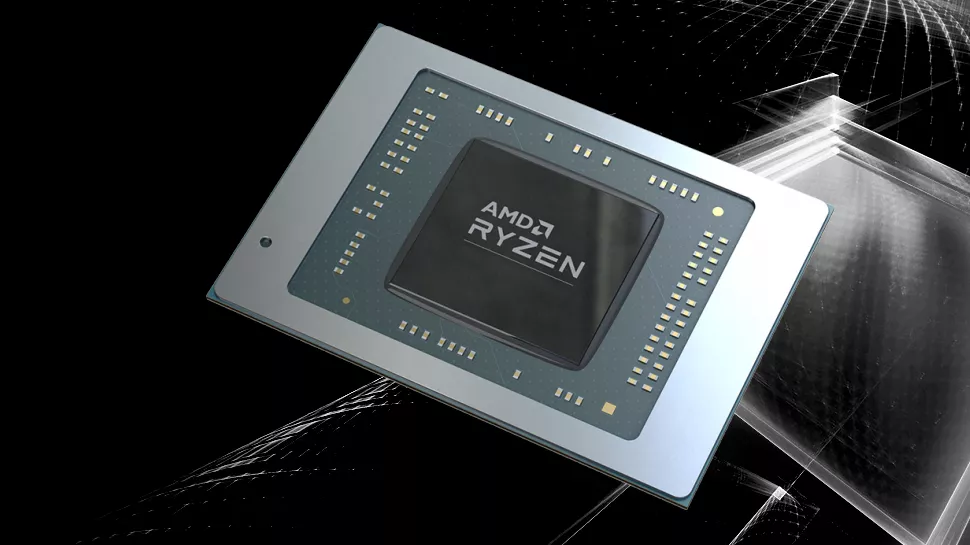
Emerging reports claim that AMD, known for its robust Central Processing Unit (CPU) and Graphics Processing Unit (GPU) offerings, is developing an ARM-based Accelerated Processing Unit (APU) known as “Sound Wave.” There’s anticipation that the Sound Wave APU’s NPU is poised to offer strong performance, positioning AMD to potentially contest Qualcomm’s dominance when it comes to ARM-based solutions for Windows systems.
The rumored AMD Sound Wave APU is reported to be on a tight development schedule, marked as a high priority within the company’s product roadmap. The management team is closely monitoring the progress to avoid delays that have affected other projects, like the Strix Point products. The speculated urgency around the project suggests that AMD may be ready to abandon the undertaking if timelines are not met or if performance targets fall short.
In a move towards quality assurance and to minimize any potential hiccups, AMD is purportedly gathering bug reports from retailers, focusing on issues that may arise from ARM systems, particularly those combining ARM CPUs with Radeon GPUs. This may highlight AMD’s dedication to ensuring a seamless integration of its hardware for future ARM CPUs.
The fate of AMD’s Sound Wave APU initiative remains uncertain. The trajectory of AMD’s previous ARM effort, the K12 Core, serves as a reminder that not all projects reach fruition. What is apparent, however, is AMD’s serious consideration of the role ARM SoCs are beginning to play in the Windows ecosystem and its potential to broaden its product spectrum to stay competitive in the evolving landscape.
Understanding the strategic moves and advances in computing technology can guide consumers and industry professionals in their considerations for future hardware choices. As ARM-based processors gain traction in the Windows environment, it’s worth keeping an eye on how AMD and other chipset manufacturers adapt and innovate to meet these emerging market demands. With a focus on incorporating machine learning and AI, these advancements could lead to new levels of performance and functionality in personal computing.